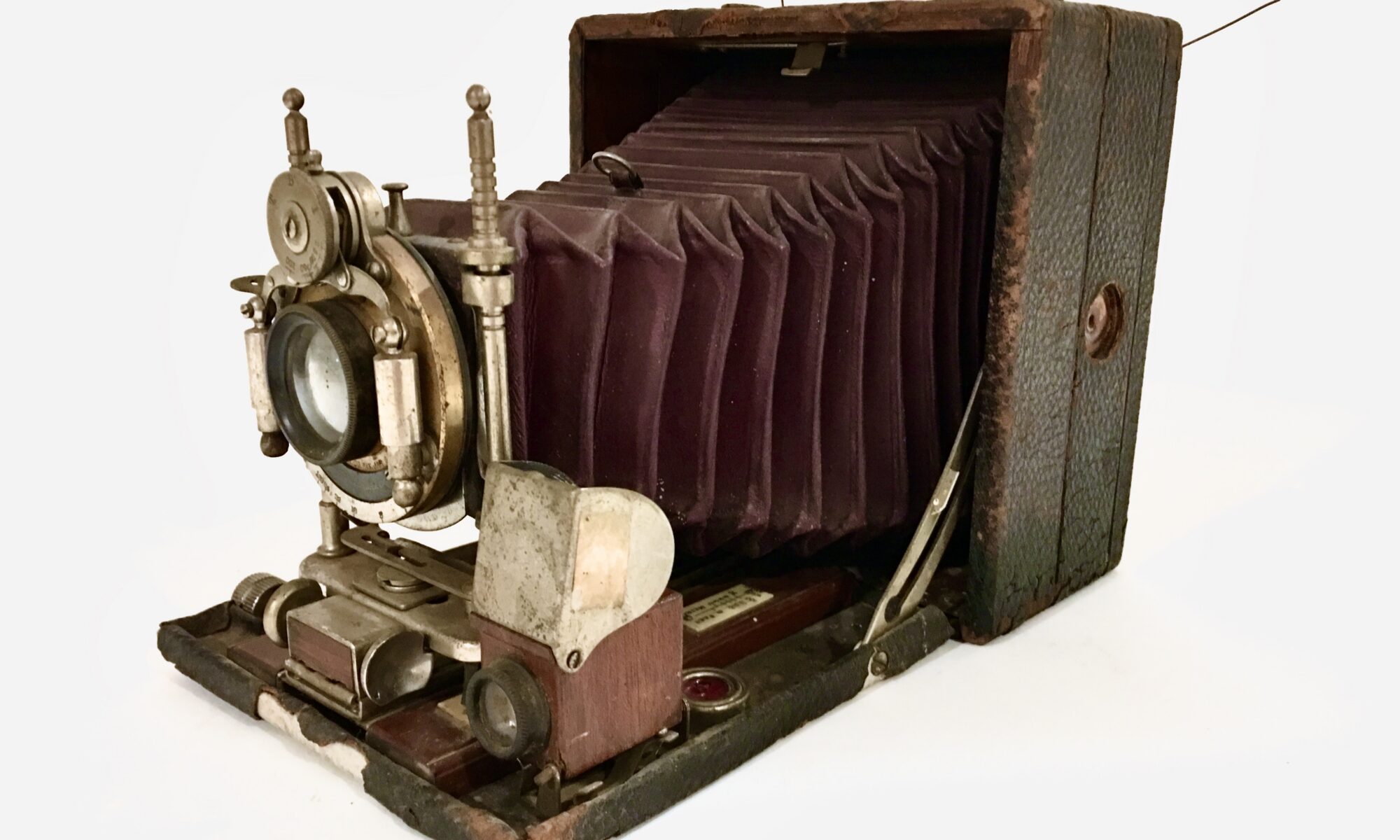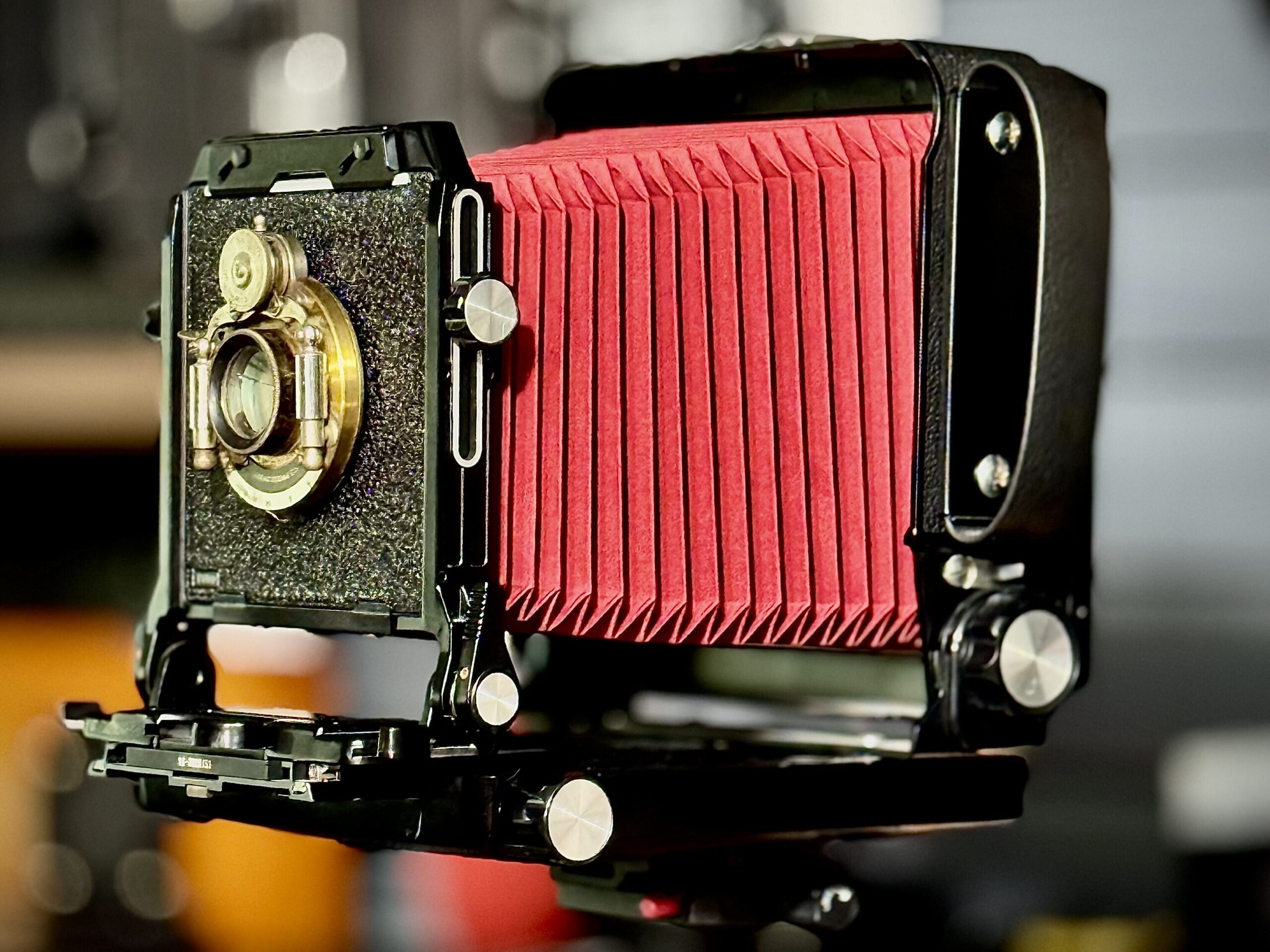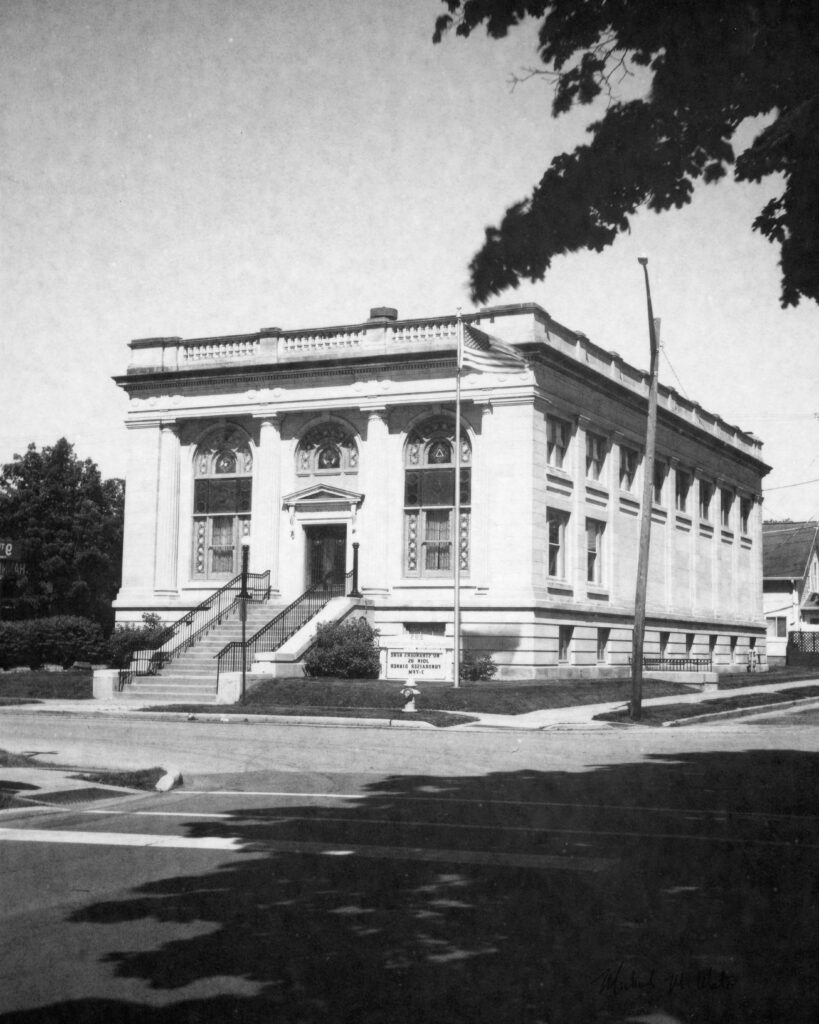

These are family heirlooms. Art, jewelry, tools. Things handed down to me, and things I asked to be the custodian of. These items are held in trust, not owned.
Every one of them has a story. The goal is to get that story recorded before it’s lost, so my descendants have it.
The photographs i take of these objects sit somewhere between product photography and personal portrait. It’s a deliberate choice.
The end result will be a printed catalog. Every item photographed, listed, and its history written down.
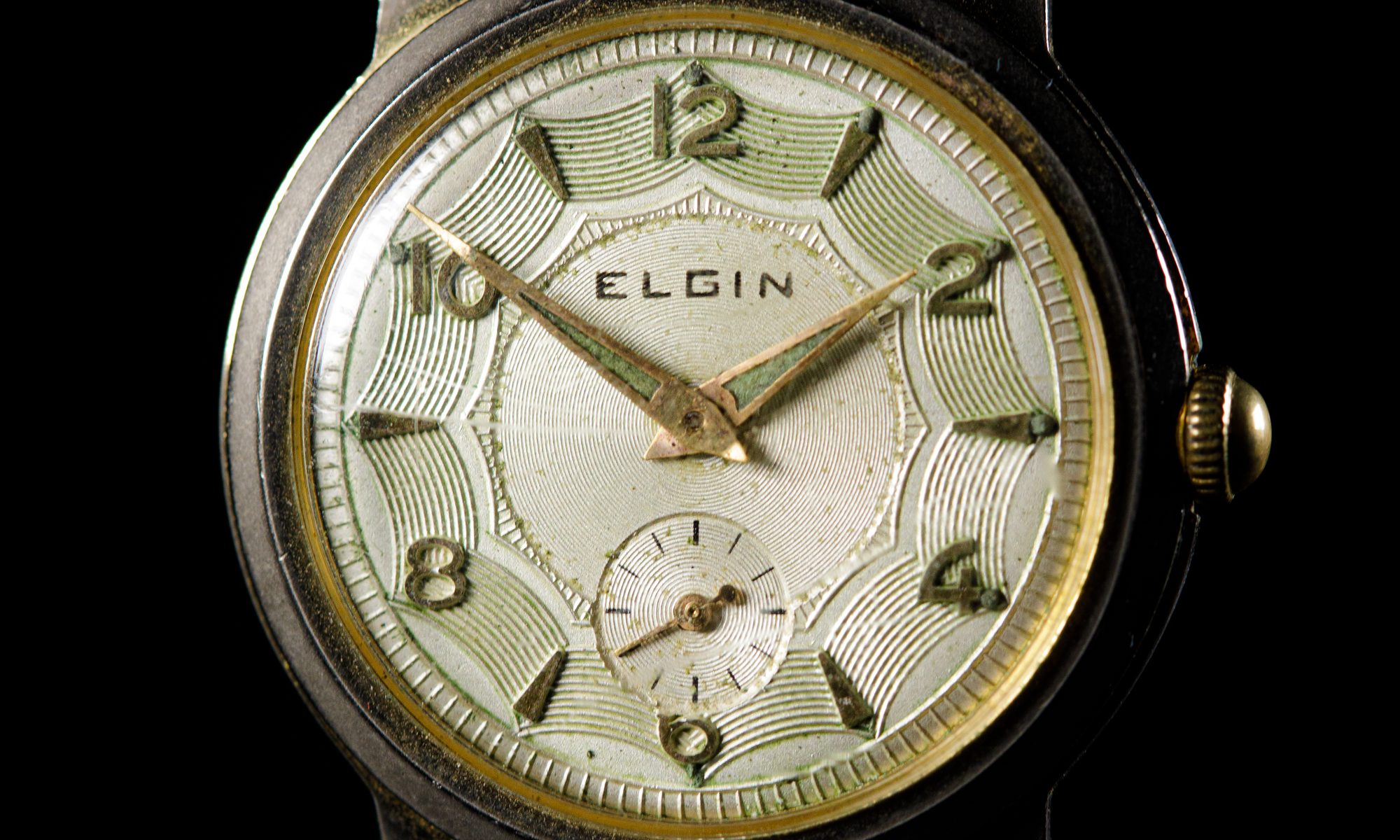
Elgin Wristwatch — James Gaughan
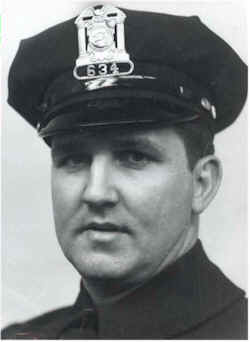
This is my grandfather, Detective Sergeant James Thomas “Bud” Gaughan, Indianapolis Police Department, badge 634. He was born in Indianapolis in 1912, played football for Cathedral, and married Kathryn Feeney at St. John’s in 1937. He joined the force in 1942 and made detective sergeant nine years later. He was killed in the line of duty on September 8, 1951, at thirty-eight, after nine years on the force. He left a wife and two children. My mother was only seven.
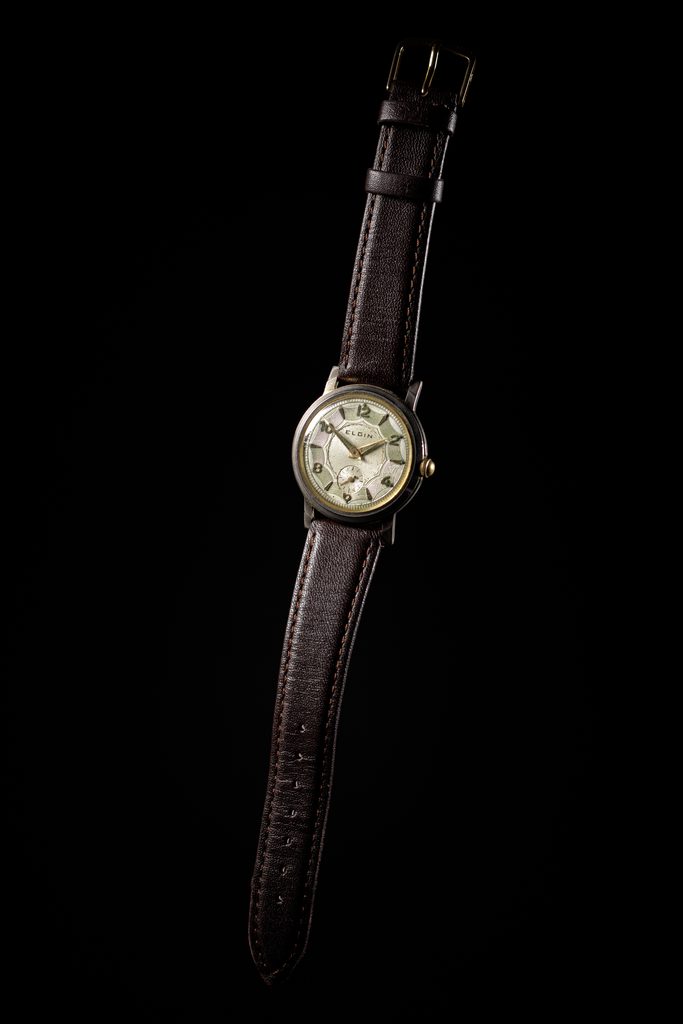
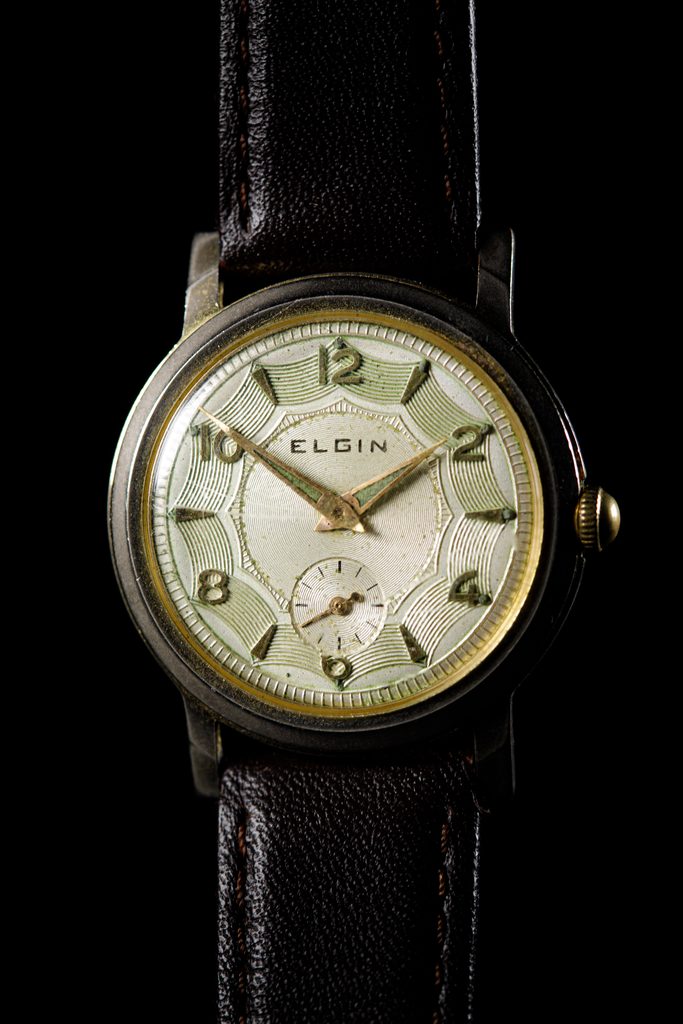
This was his watch. An Elgin, American made, late 1940s or early 1950s. I don’t yet know when he got it or how it came to him. That may turn out to matter. After he died it went to my grandmother Kathryn, who entered the Indianapolis Police Academy that same year and became an officer herself, later the first female Marion County deputy sheriff. It sat in her jewelry box for sixty-one years, longer than she was married to him. It came to me after her death in 2012.
This is as close as I get to him. The dial has aged, green has crept across it, and the case is worn in the way a watch gets worn. Apart from photographs, my family knows of only two things that survive him: this watch and his badge. It had no strap when it left my grandmother’s things. My dad had one put on before he gave it to me, so I could wear it, and I do now and then. It runs. It seems like the wrong thing to leave in a drawer.
Relide & Norman Wristwatches – Jacob Miller
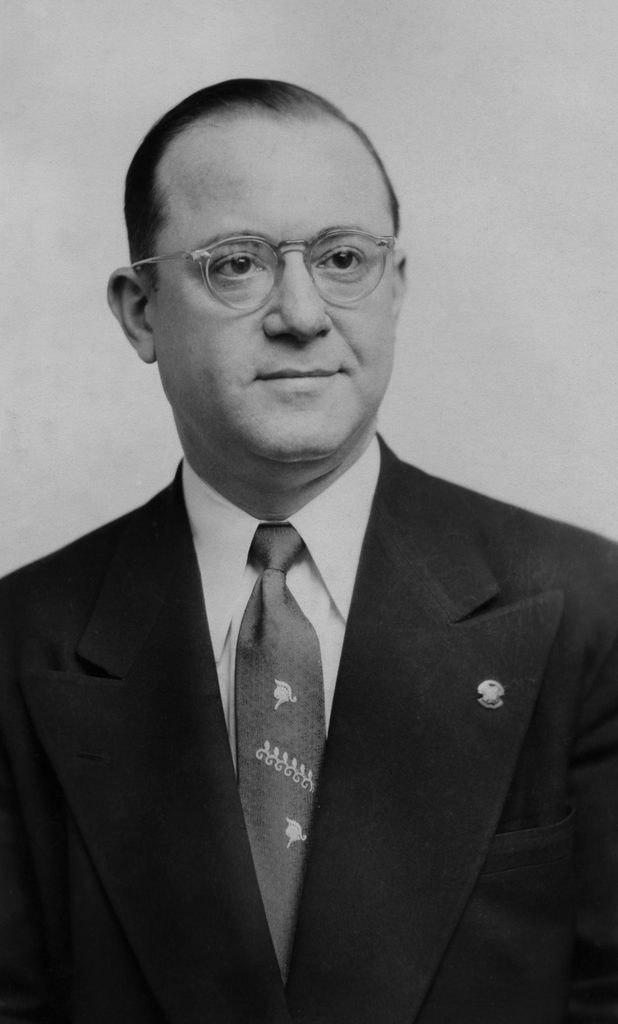
Jacob Saul Miller was born in New York City on March 12, 1905, to Galician Jewish immigrants, and left for Indianapolis by 1924, where he practiced law the rest of his life. On April 9, 1941, at thirty-six and eight months ahead of Pearl Harbor, he enlisted at Fort Benjamin Harrison under no obligation to go; family account holds he volunteered because he wanted a part in the war against Nazi Germany. He married my grandmother, Kathryn Regina Feeney, in January 1966 and became my grandfather in every way that counted.
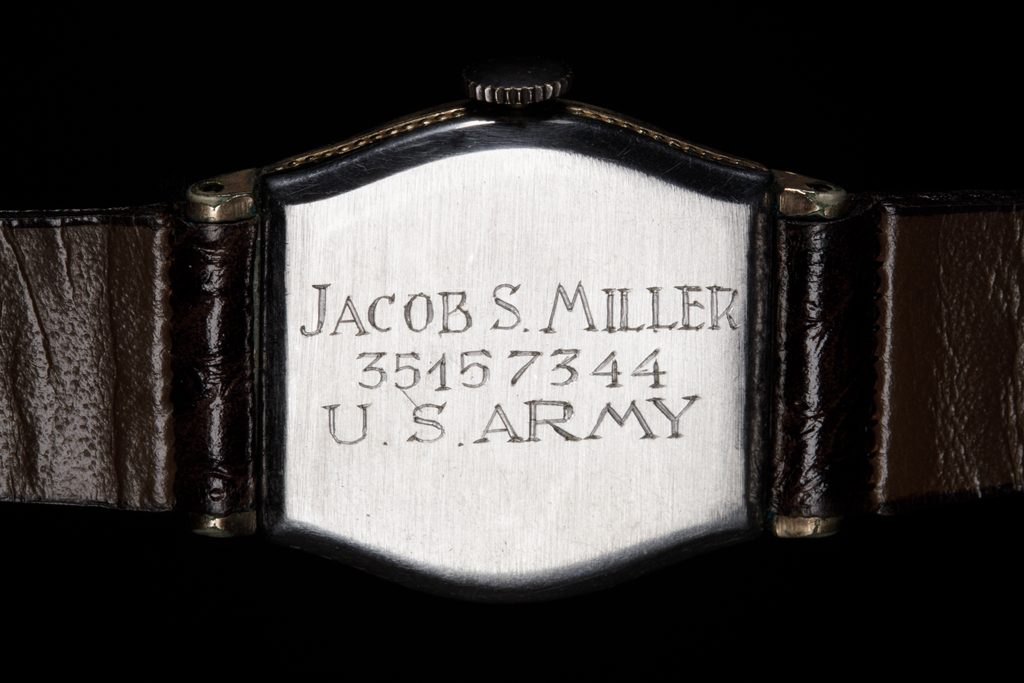
Sometime in the late 1970s, at his law office in downtown Indianapolis, he took two strapless watches out of his desk drawer, and we rode the elevator to another floor where the doors opened onto a watch repair shop. He clearly knew the man behind the counter. We picked out straps, he had the Norman watch (below) engraved with his name and Army serial number while it was there, and then he gave them both to me.
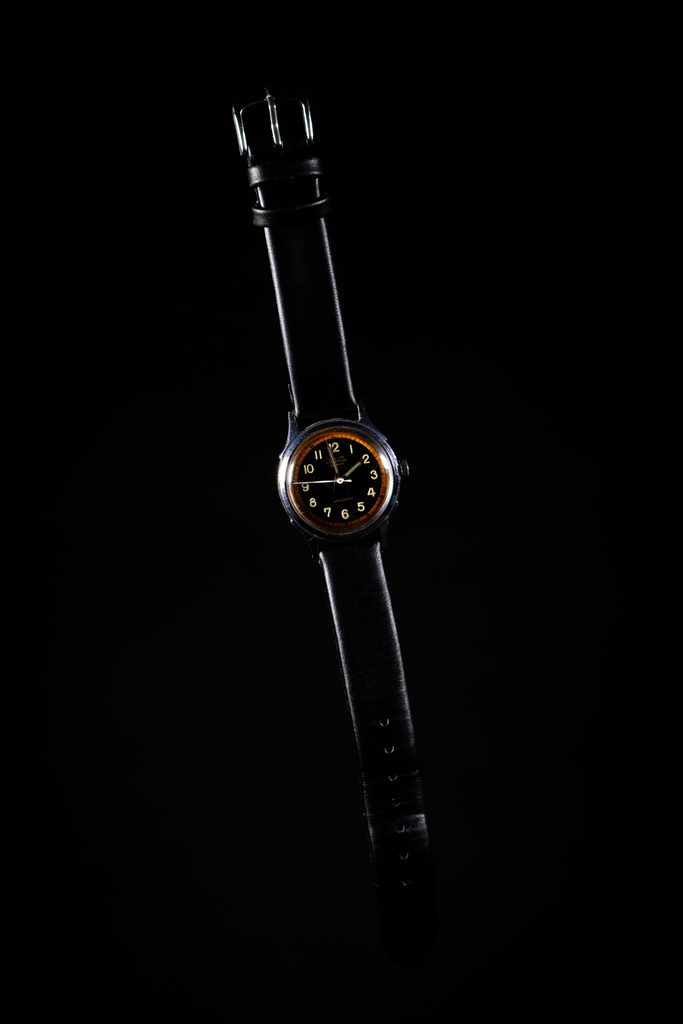
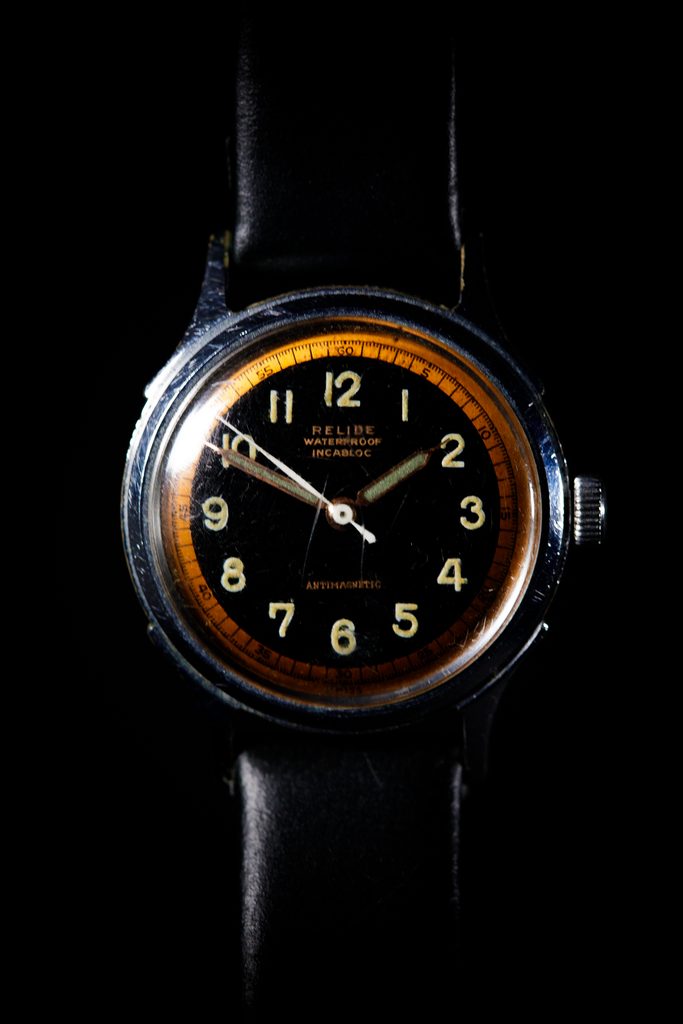
The dial reads RELIDE, WATERPROOF, INCABLOC, ANTIMAGNETIC, a Swiss watch of the 1940s or 1950s with painted numerals gone the color of old paper, and a case back stamped Stainless Steel Back that quietly admits the rest of the case is not. The crystal is heavily scratched and it will stay that way. There is no inscription anywhere on this object, and everything known about where it came from rests on the fact that I was there.
The Norman
The second watch out of the drawer, and the one he chose to put his name on. The dial says NORMAN, and so does the movement, Norman Watch Co., seven jewels, unadjusted, Swiss.
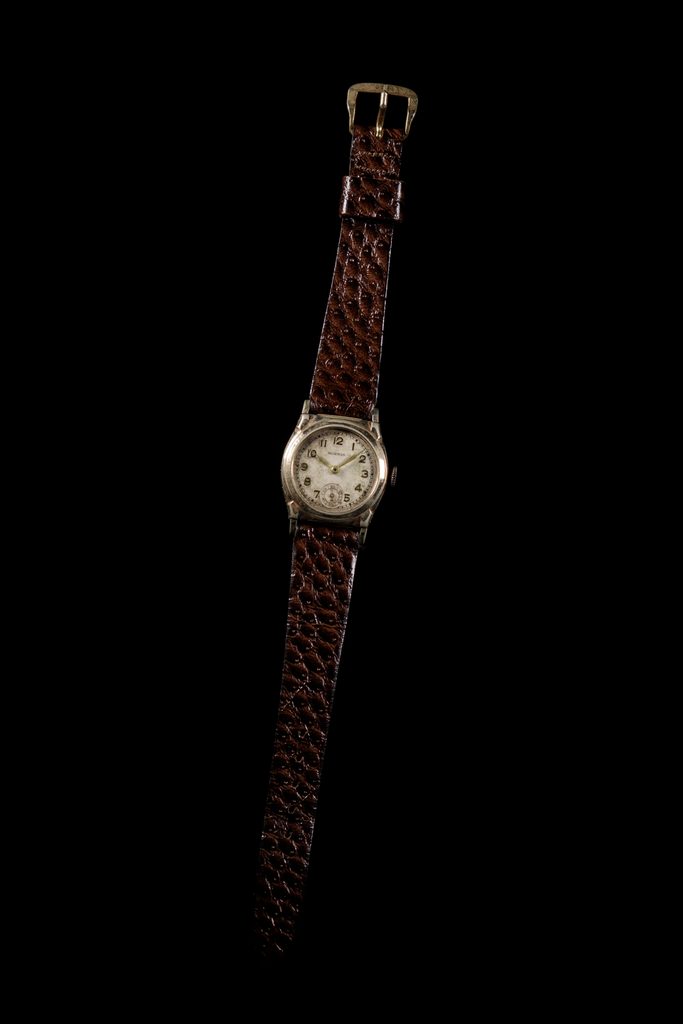
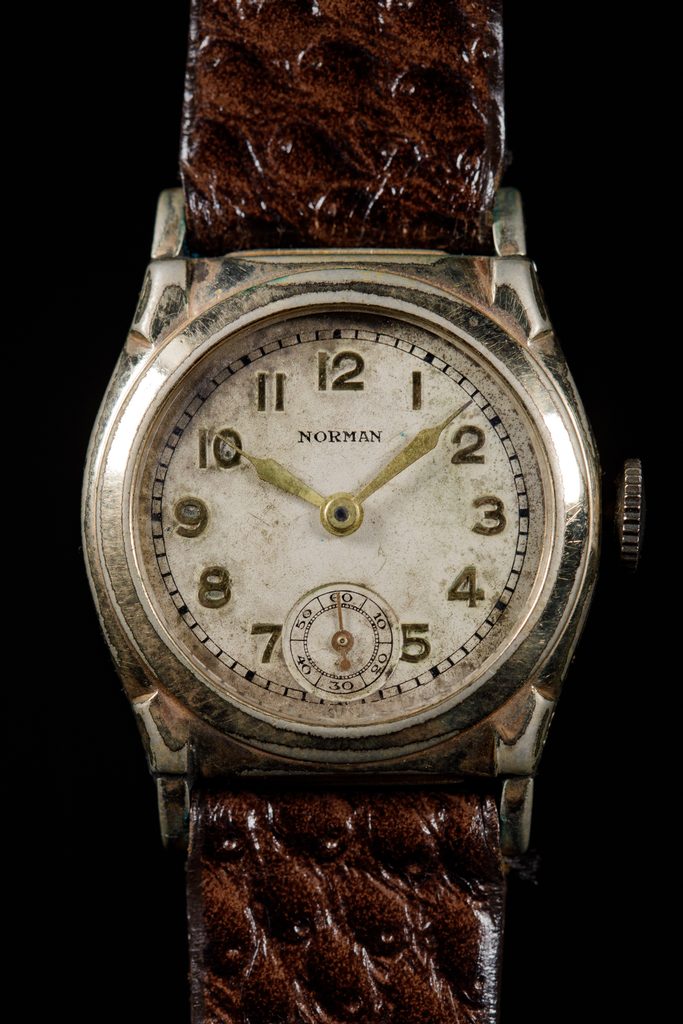
The case is stamped DURO, stainless, base metal. The silvering has gone dark and spotted across the whole face, there is a small seconds dial at six, and the plating is worn through to lighter metal at the corners of the lugs. The strap is the one we picked out that day and it is still on the watch.
He handed it across the counter and had it engraved while we waited. Jacob S. Miller, 35157344, U.S. Army. He enlisted under that number on April 9, 1941, and had it cut into the back of a watch some thirty-five years later, in front of a seven-year-old, on an ordinary afternoon with nobody else there. Whether he wore this watch during the war I do not know. He may have told me that day. I remember the room and not the words.