
The Stop Bath Studio Darkroom

After becoming a juried artist with HCAA, I did what I do best: recognize hidden potential in a space. This time it was the basement of HCAA’s Birdie Gallery.

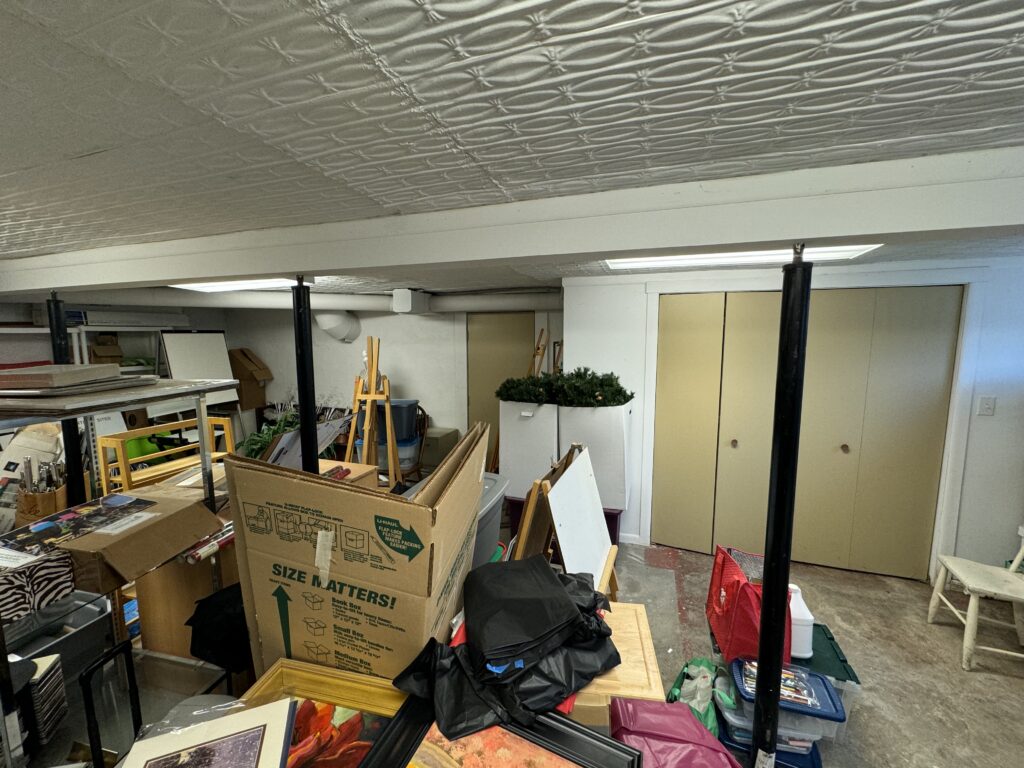
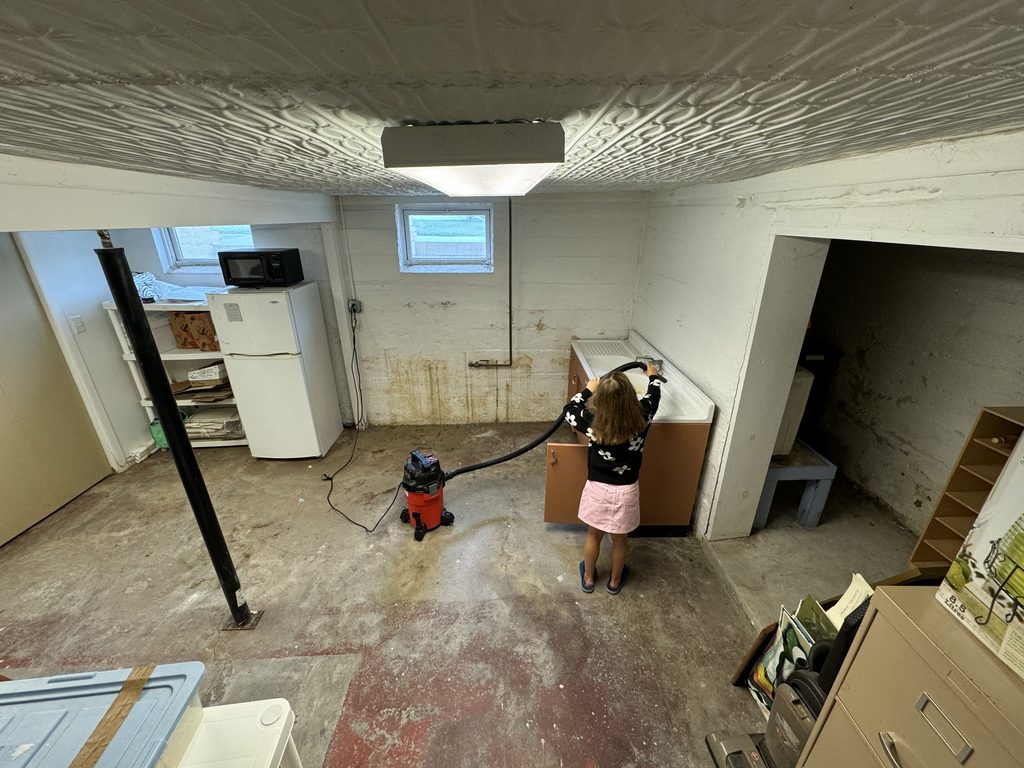
I was down there for my day job, the one that actually pays the bills, checking out the building’s heating and cooling equipment. Tucked in the corner was an old porcelain-top kitchen sink. I looked closer and it was still plumbed in and functional. That’s when the gears started turning.

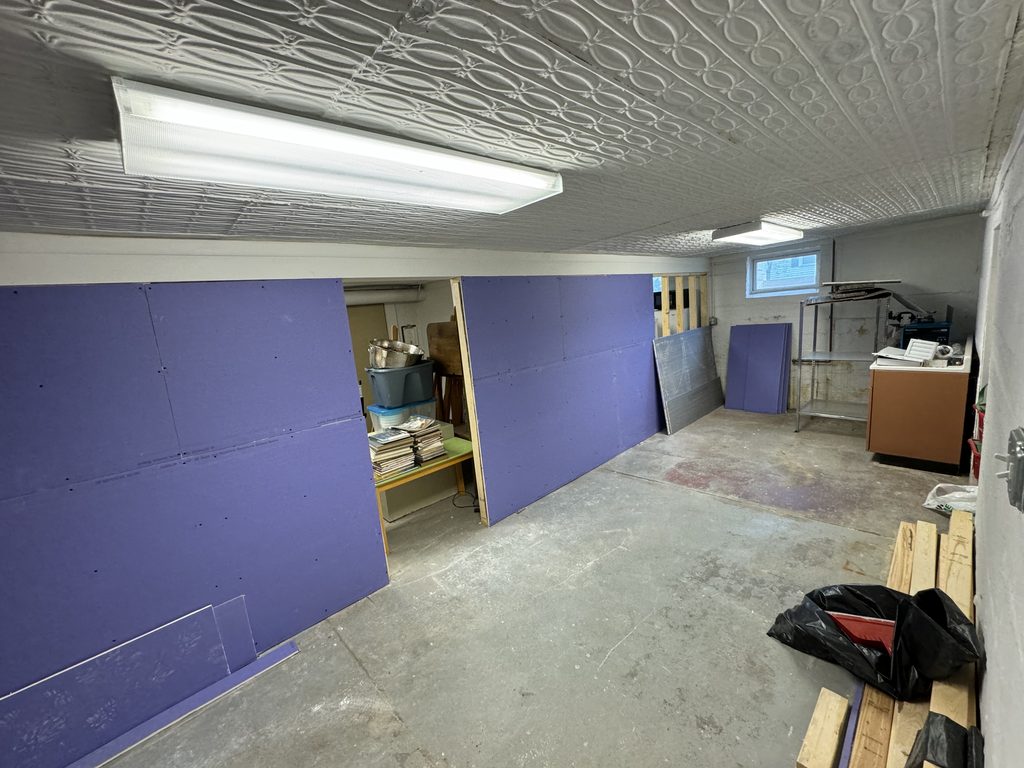
At the time the basement was just a catch-all: storage for things in rotation and things forgotten. I came up with a plan. Turn half of it into a darkroom and small studio, and keep the other half as storage HCAA still needed. I pitched it to the board expecting pushback. They gave me the green light instead.

I paid for the buildout myself and put in the sweat equity, clearing out and organizing the basement to make room. We ran a yard sale for the stuff nobody needed anymore. The support from the HCAA board and membership through all of it was genuinely inspiring.
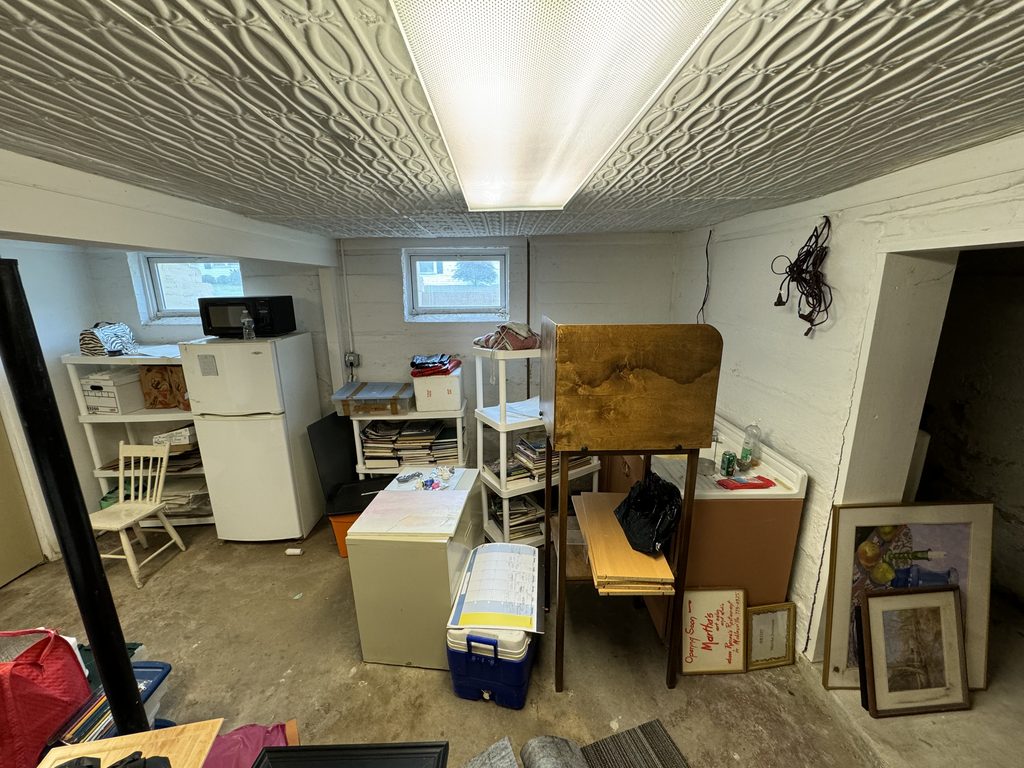
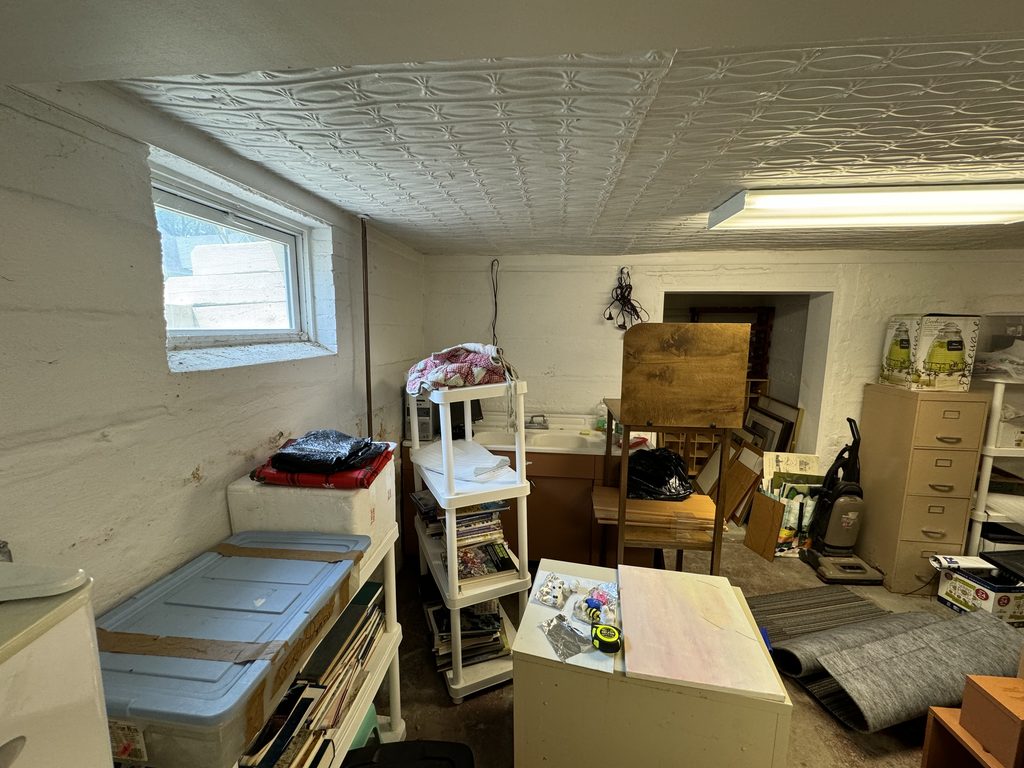
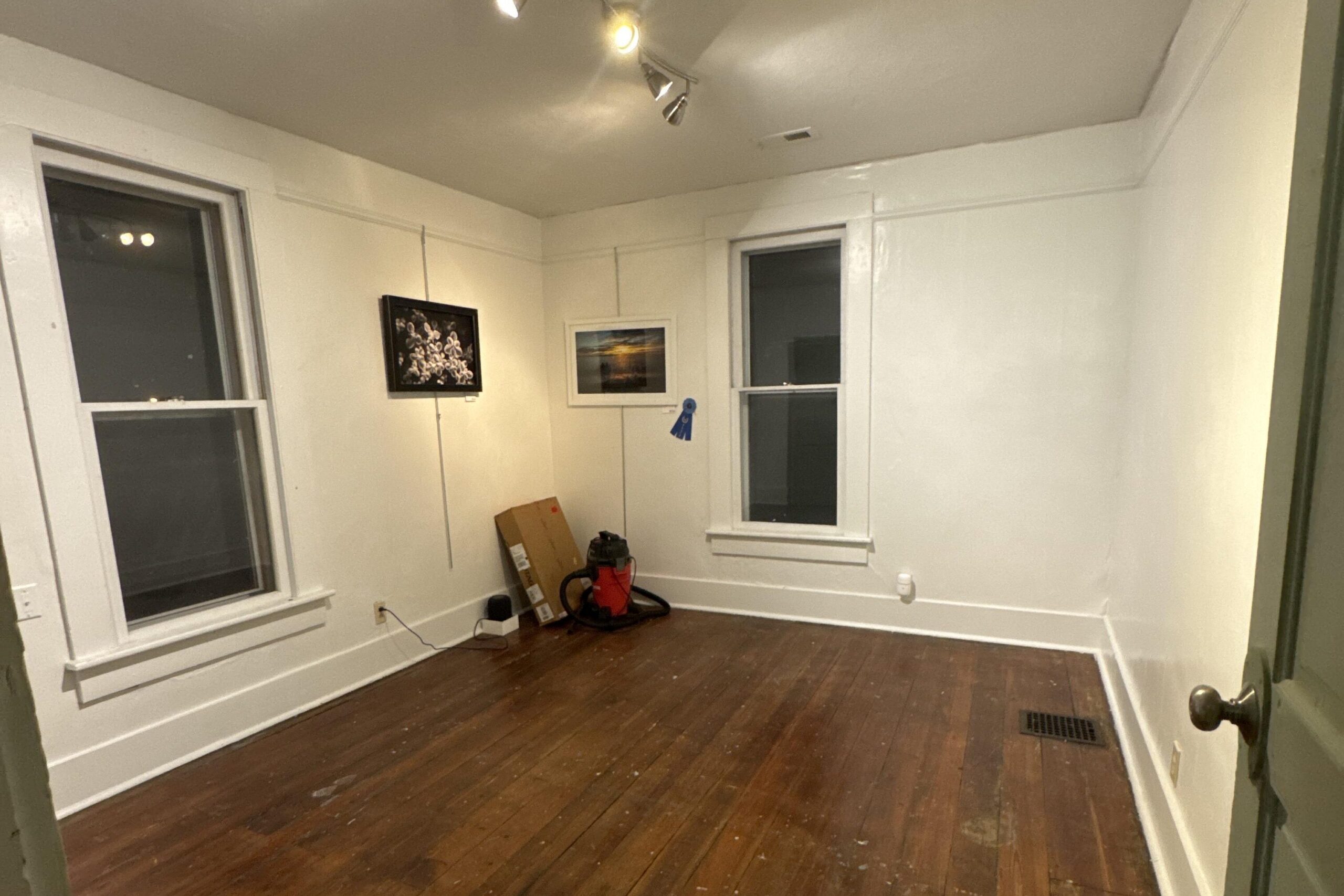
Before
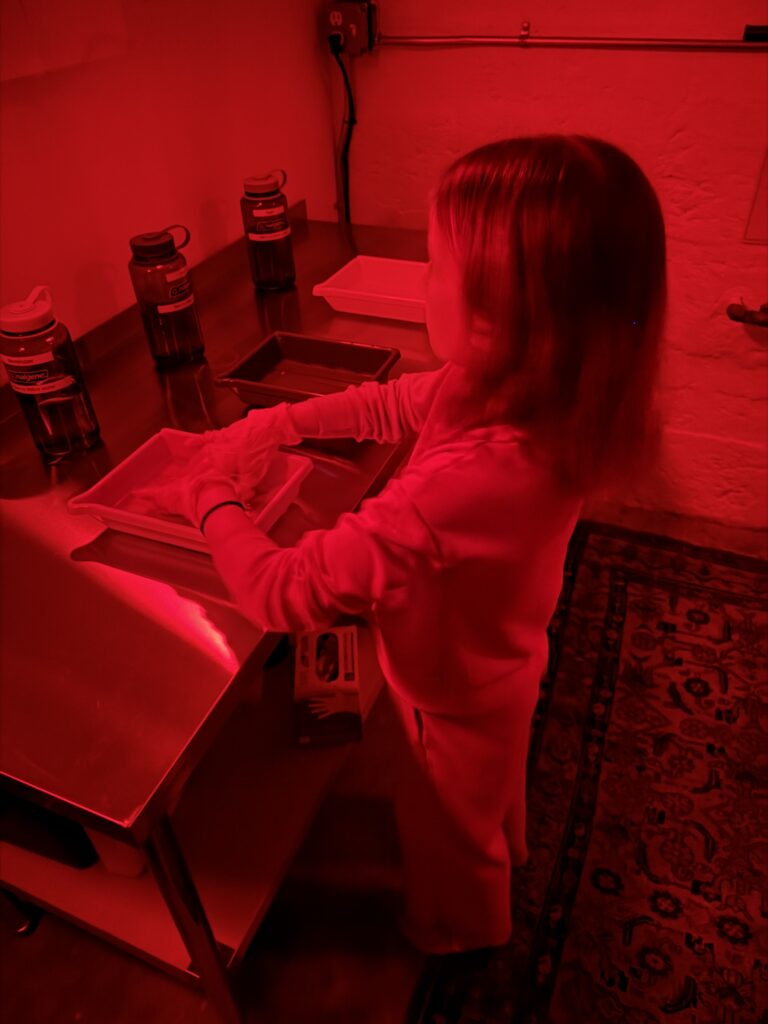
Dad’s little cleaning helper
Dividing the basement

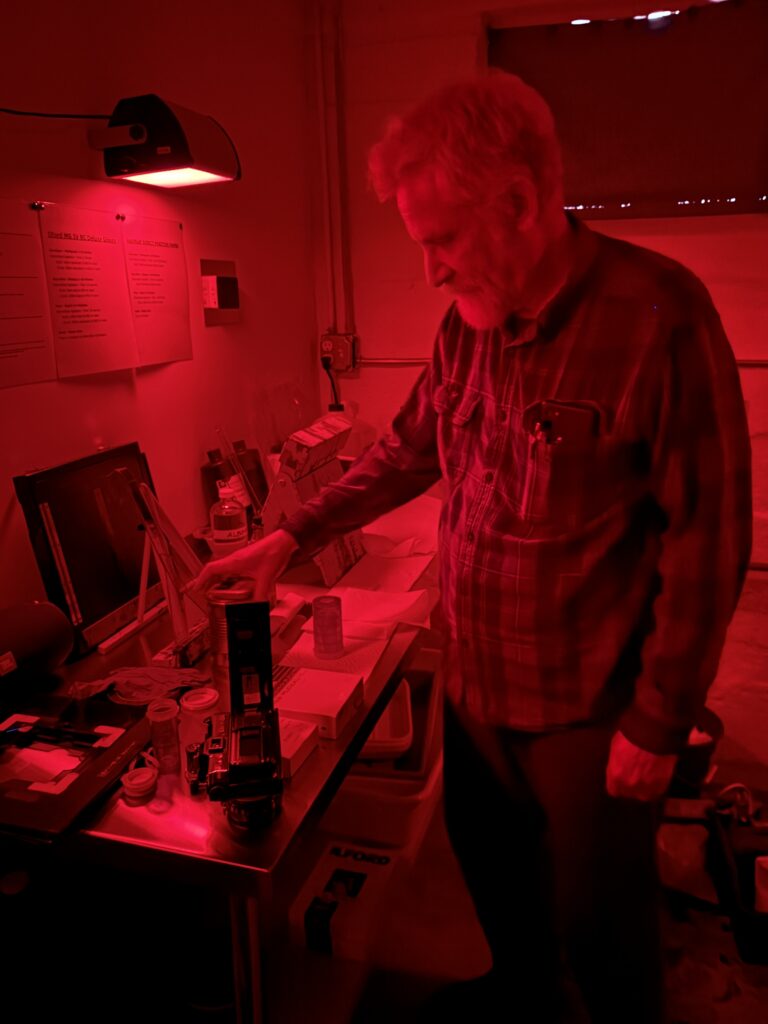
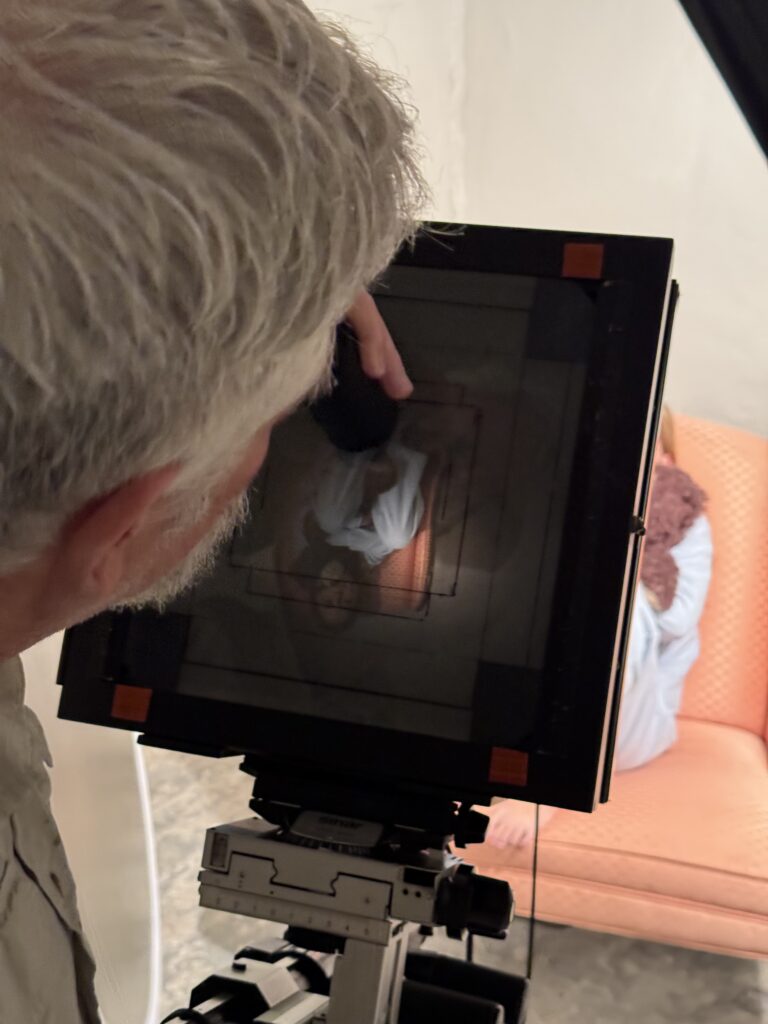
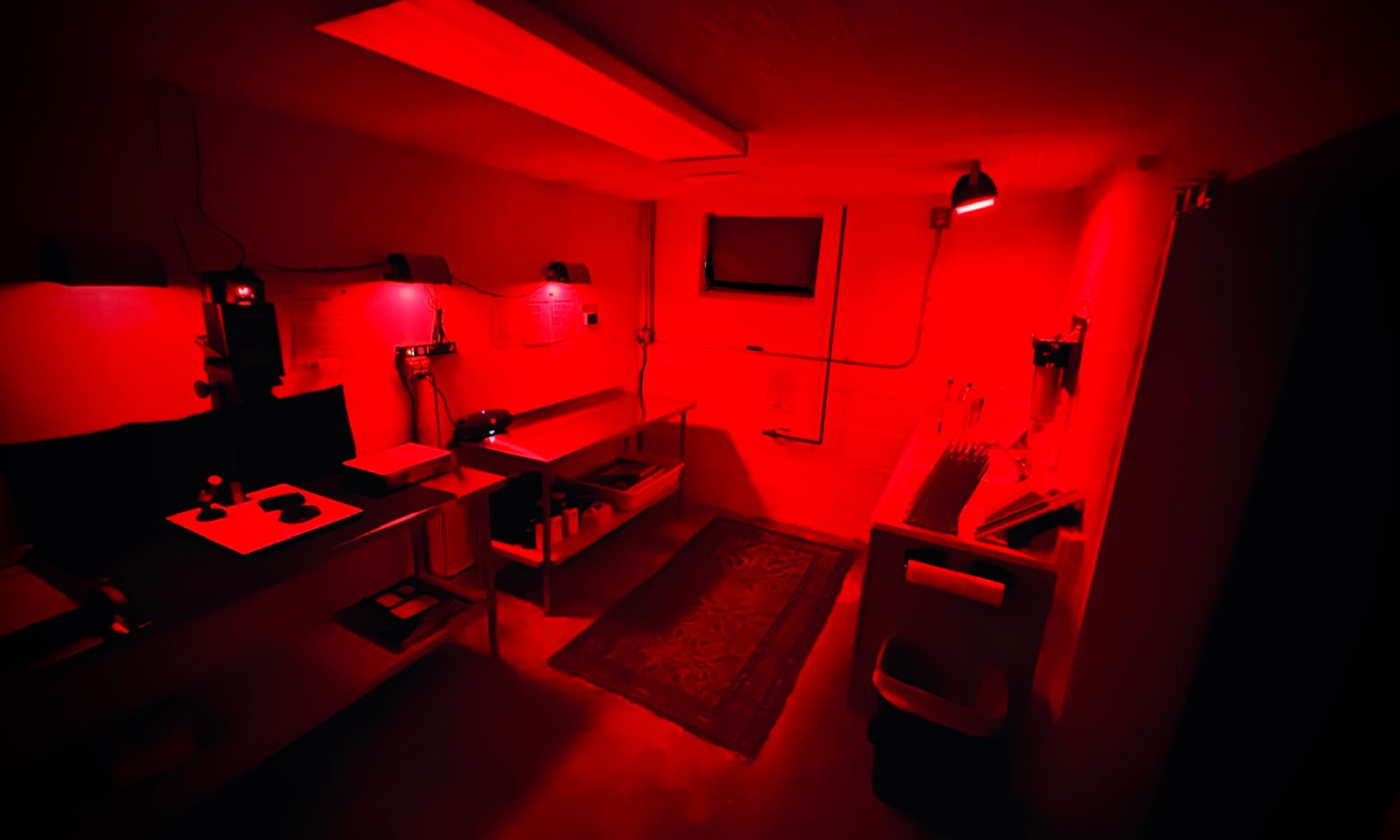
A few weeks of buildout later, I had a working darkroom with an attached studio. It’s served my own projects since, and it’s hosted more than that. My friend Dale Bernstein has ran wetplate portrait days and workshops there, and I’ve done hands-on darkroom demos for HCAA’s youth membership.
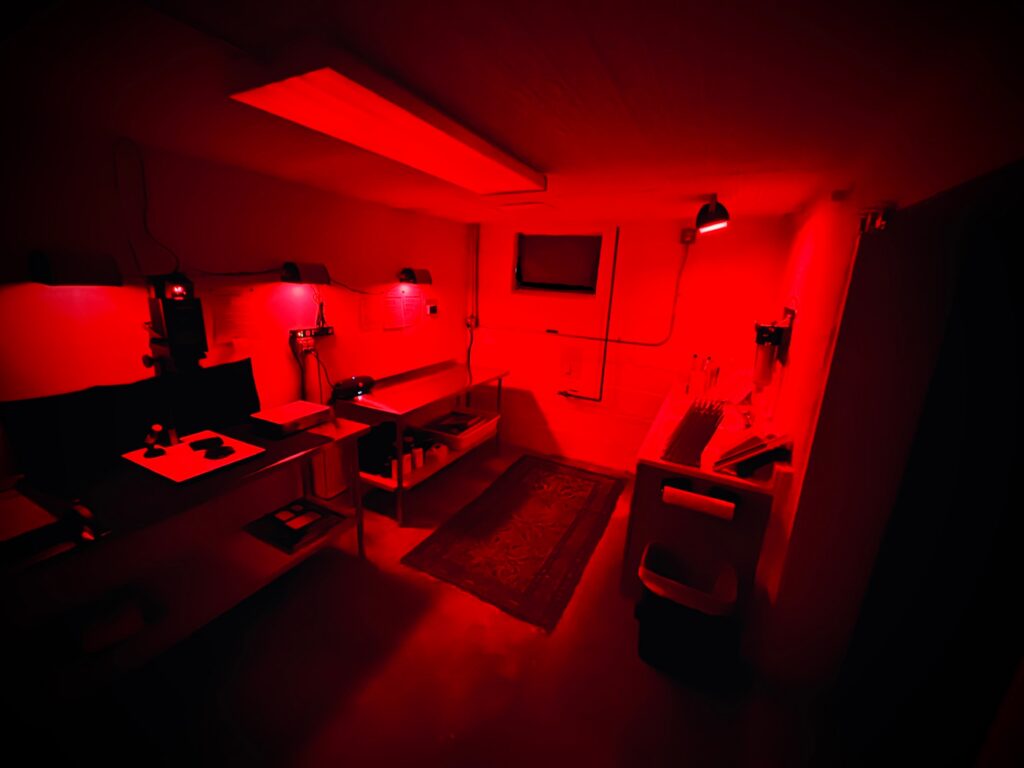
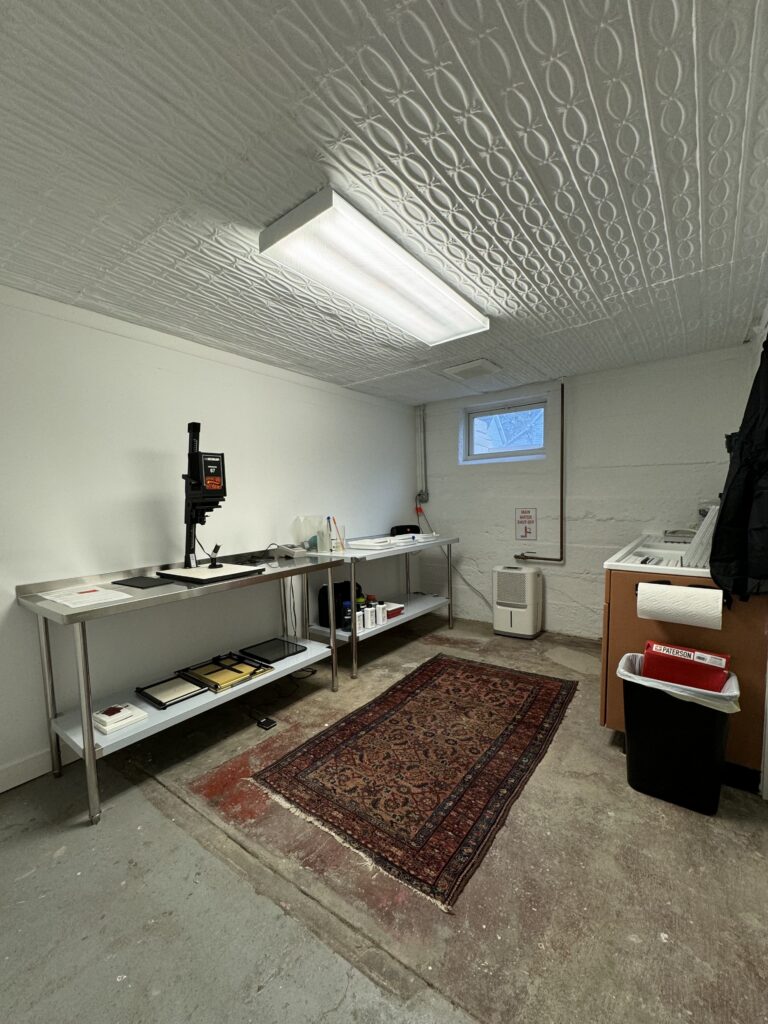
Dale Bernstein

Youth Members

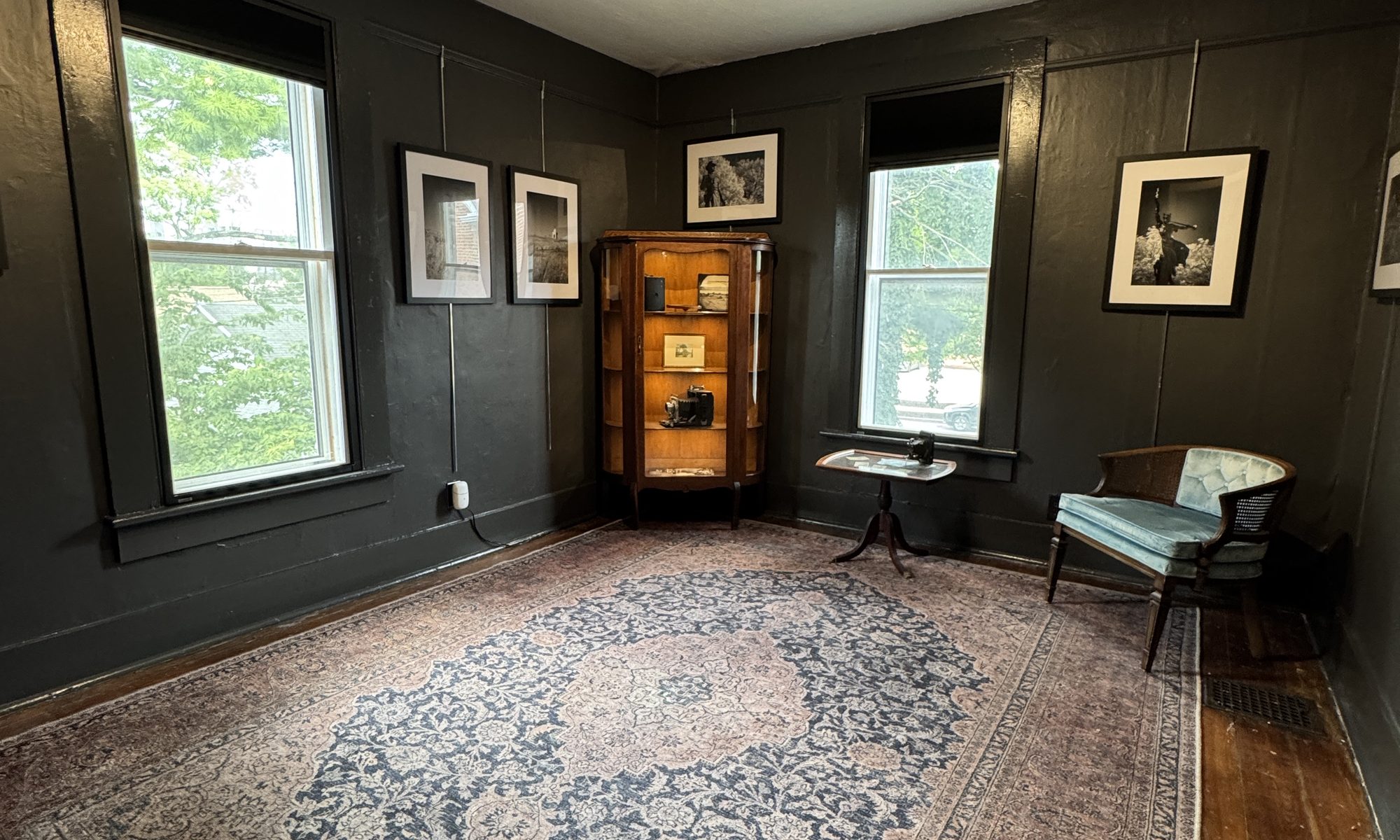
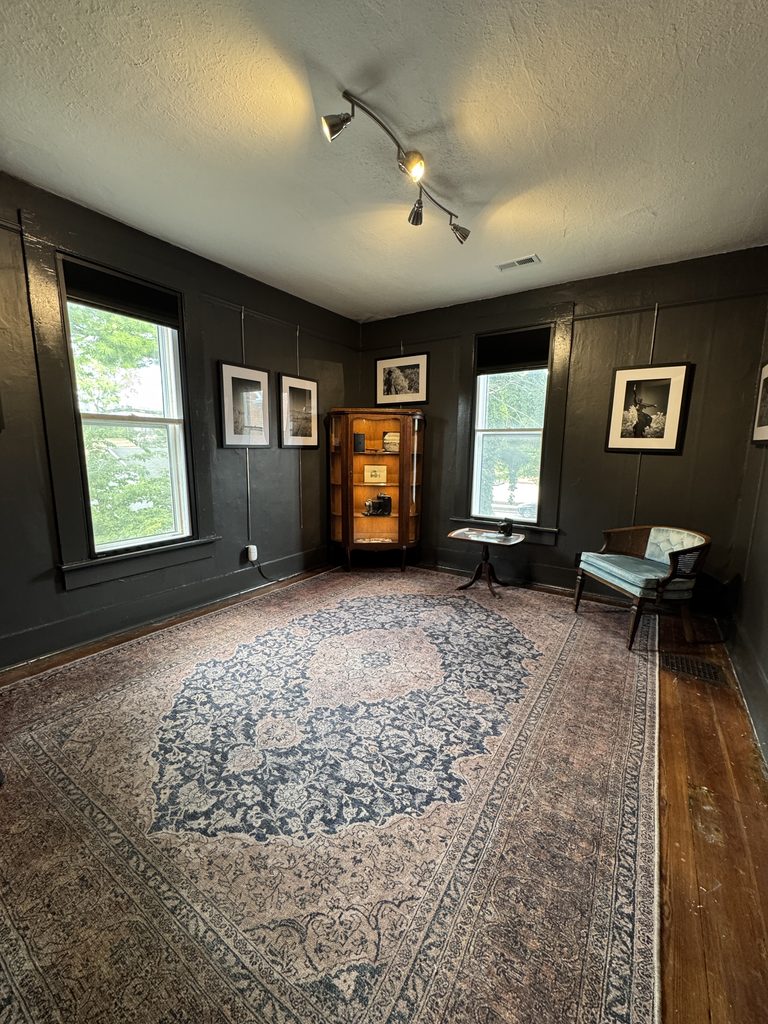
The Stop Bath Studio Gallery

Move in day

This space was never meant to be where the work gets made.

I used to think one room had to do everything: shoot, process, show, store. That’s a tempting kind of efficiency until you actually try it. Public access and wet darkroom work don’t share a room well. Working light and gallery light don’t either. Every function you stack into one space is another function you can’t fully control.

So I split it apart instead.

The Stop Bath Studio darkroom and studio live in the basement of the Hamilton County Artist Association’s basement where the actual work happens: sessions, processing, the parts that need real control and don’t need an audience. This space, on the Noblesville Creates campus, has one job. Show the work once it’s finished.

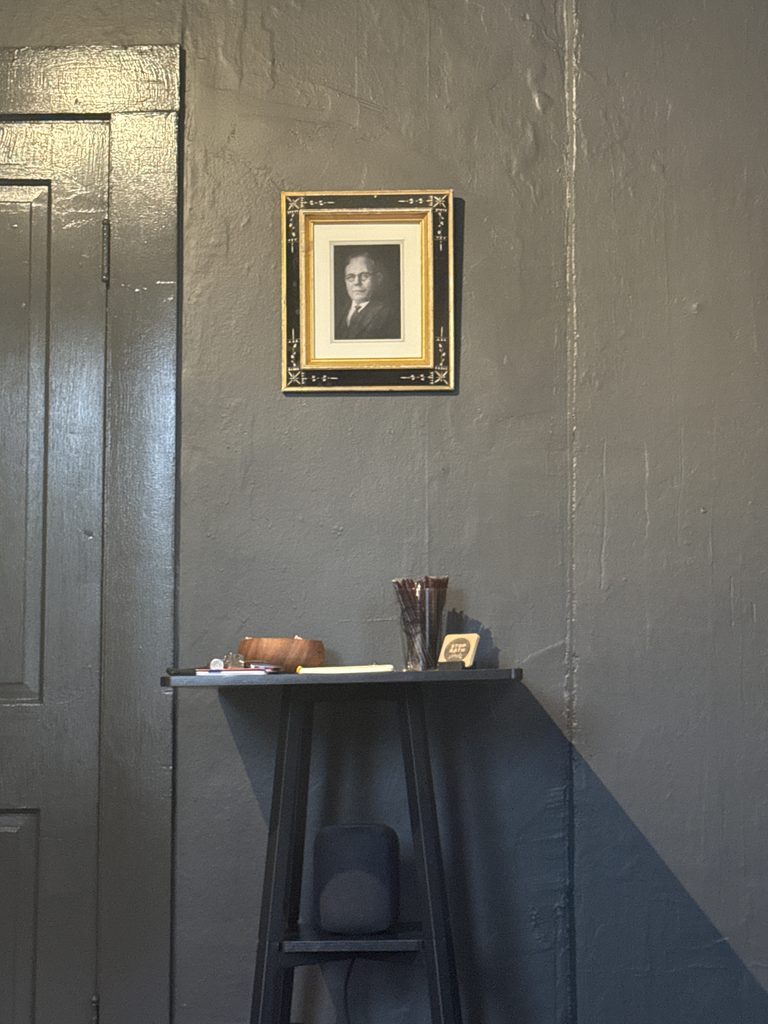
I didn’t build a working studio here. I built a room that stays open, stays curated, and lets people walk in without an appointment or an explanation. Everything here exists to be looked at, not worked around.

That split is the whole point. The darkroom and studio in the HCAA basement carries the weight of making something. This space just has to let people see it, without me having to stand there narrating what they’re looking at.

If you want to see the work, it’s already hanging. Come take a look!

The Model – Stop Bath Bettie

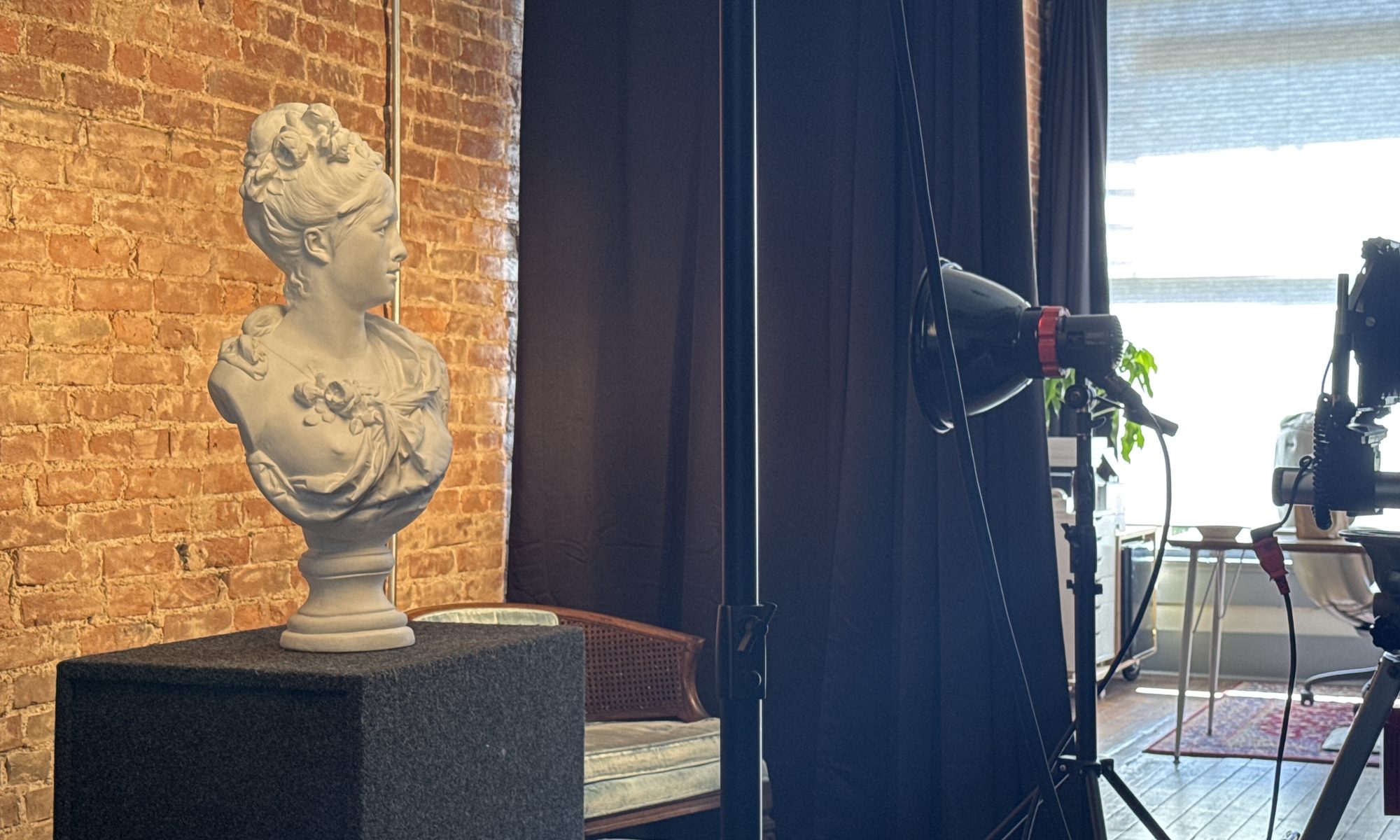
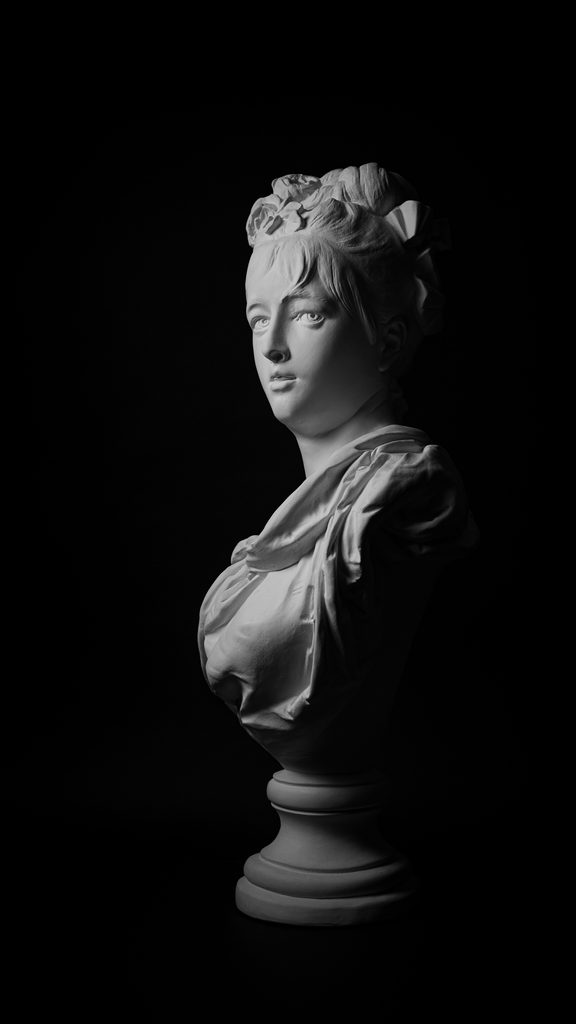
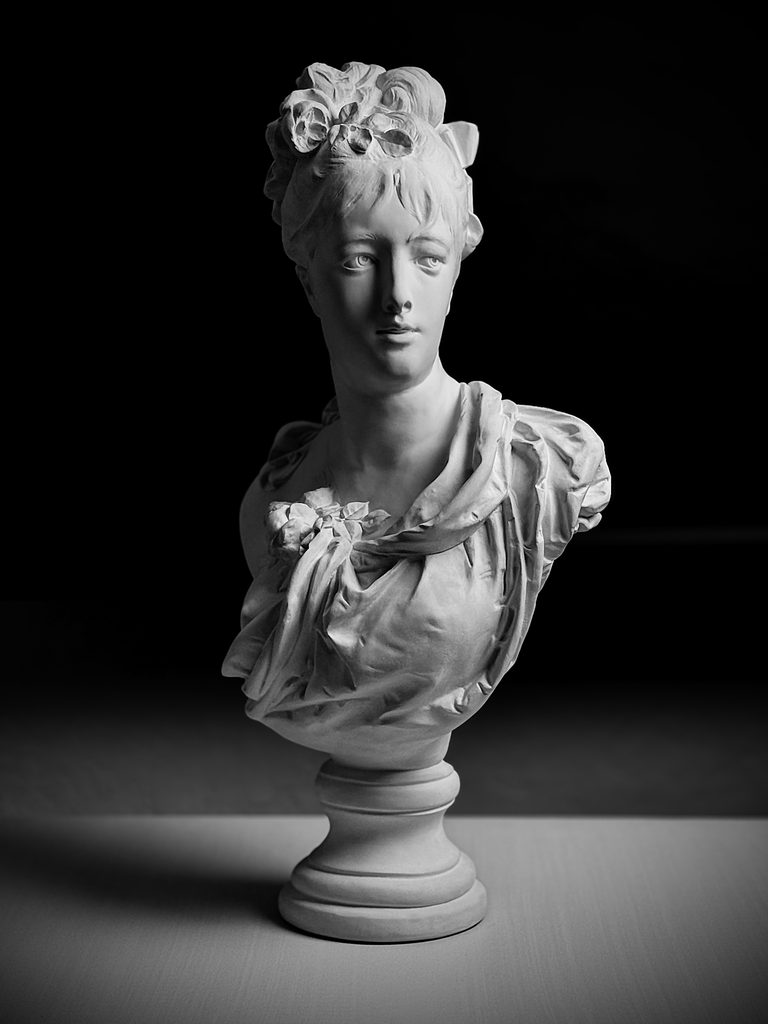
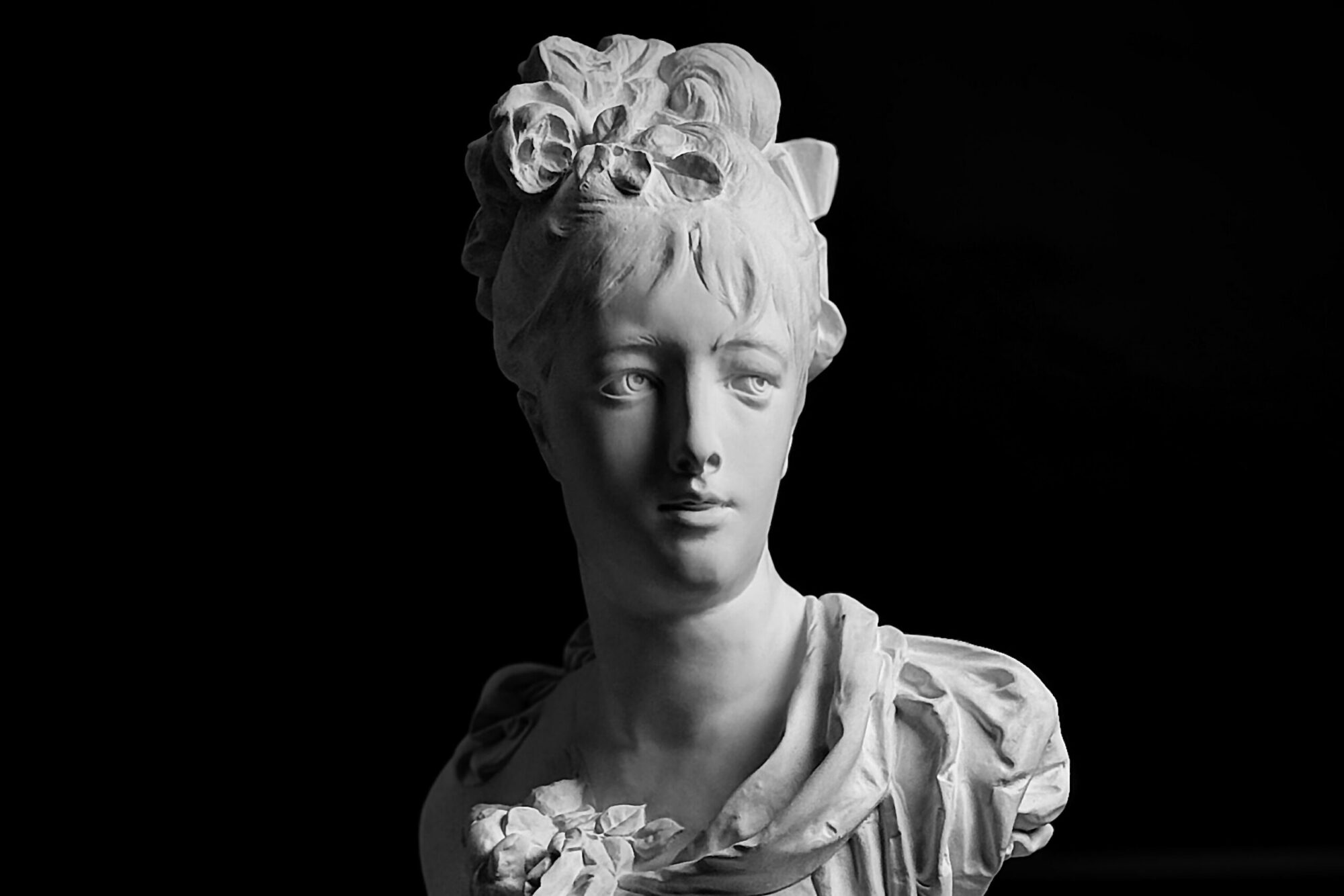
Meet Bettie, official studio mascot and permanent model. She’s a plaster bust who lives on a shelf in the studio and doesn’t say much about it.

Bettie exists because someone has to sit under the lights while I figure out what a new setup actually does. She doesn’t ask for direction, doesn’t need a break between takes, and has never once complained about a bad angle (despite there being many).

From here on, this is just her. Different lights, different lenses, different cameras. No story, no explanation, just Bettie.