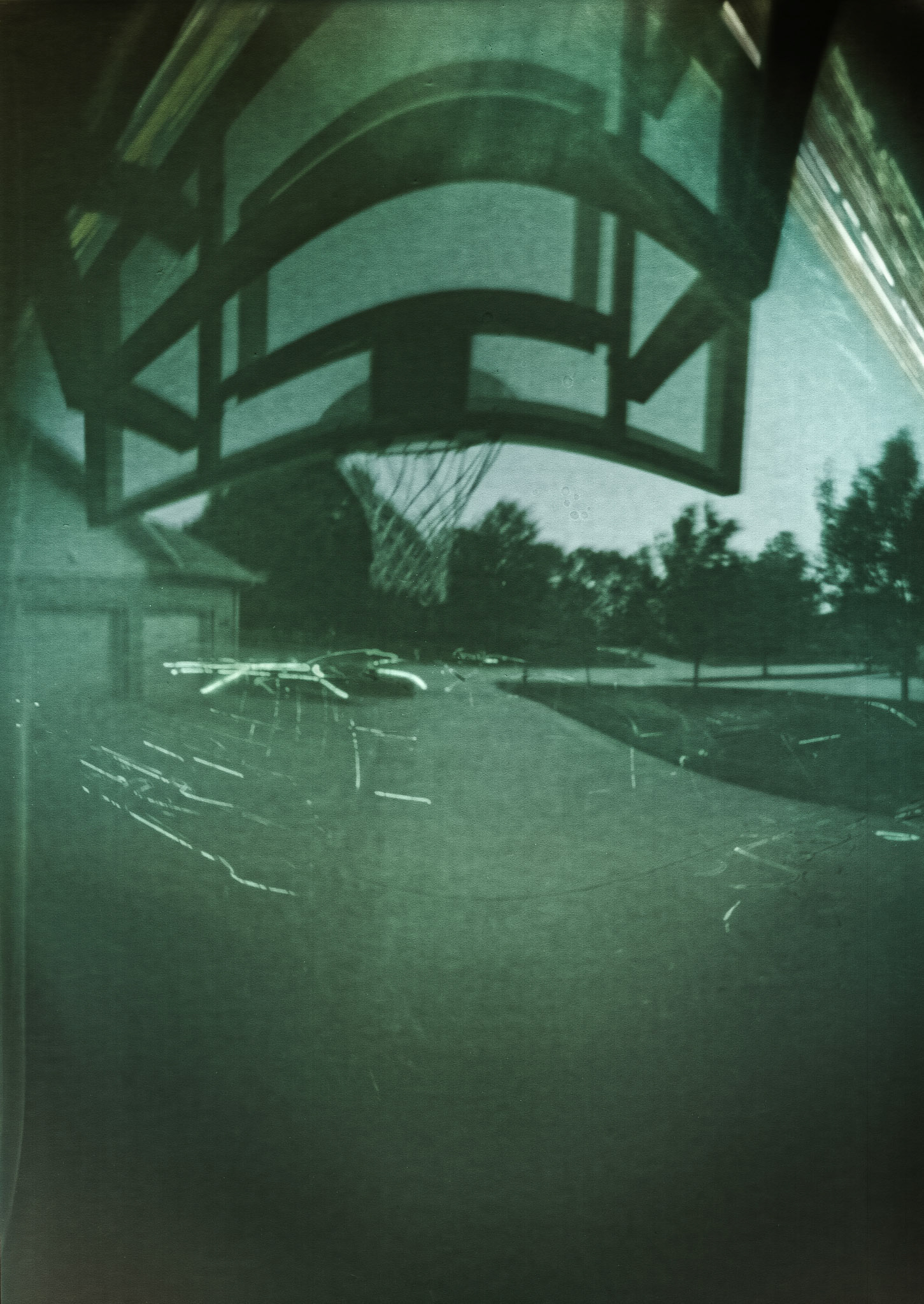
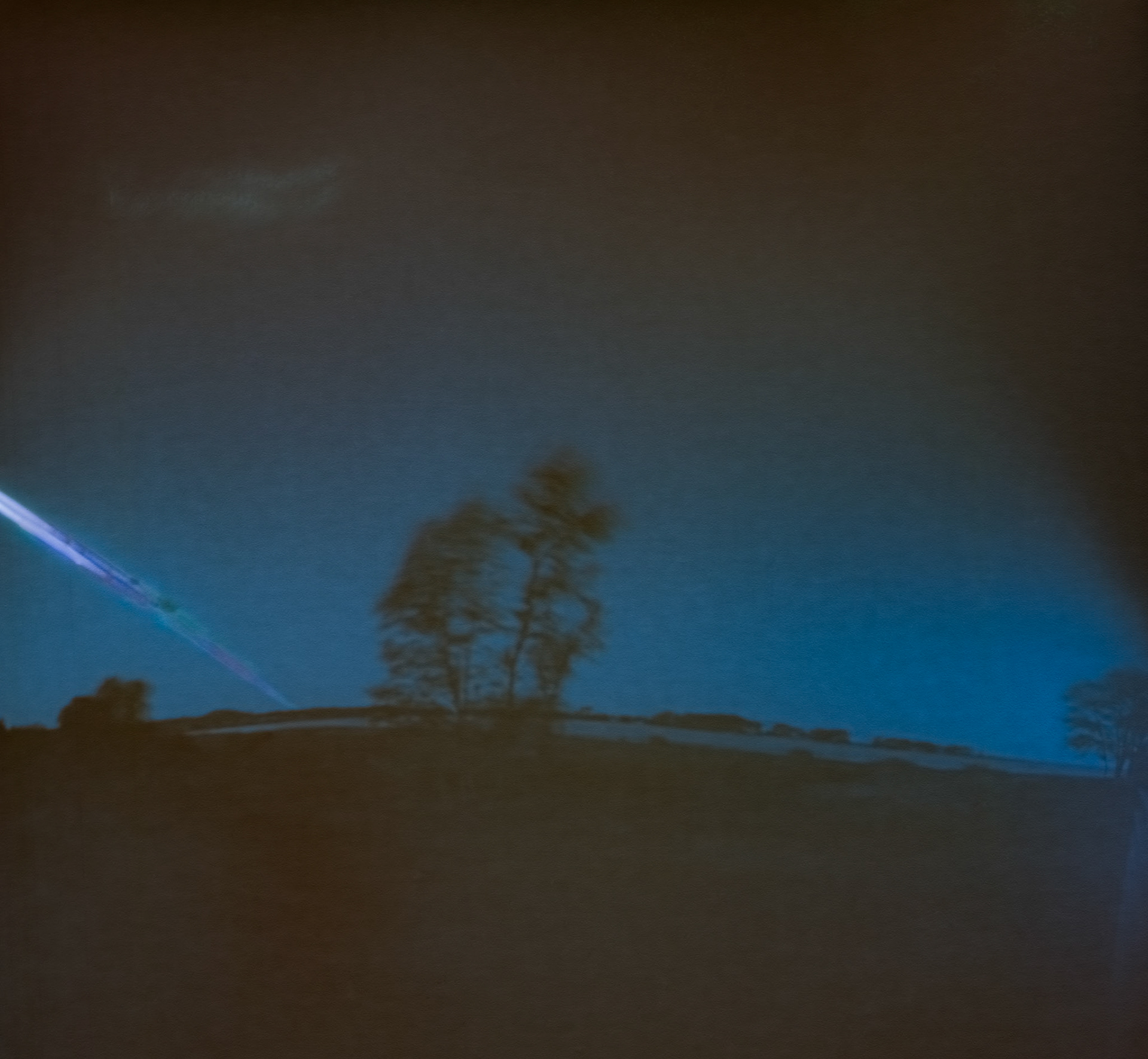
One week exposure
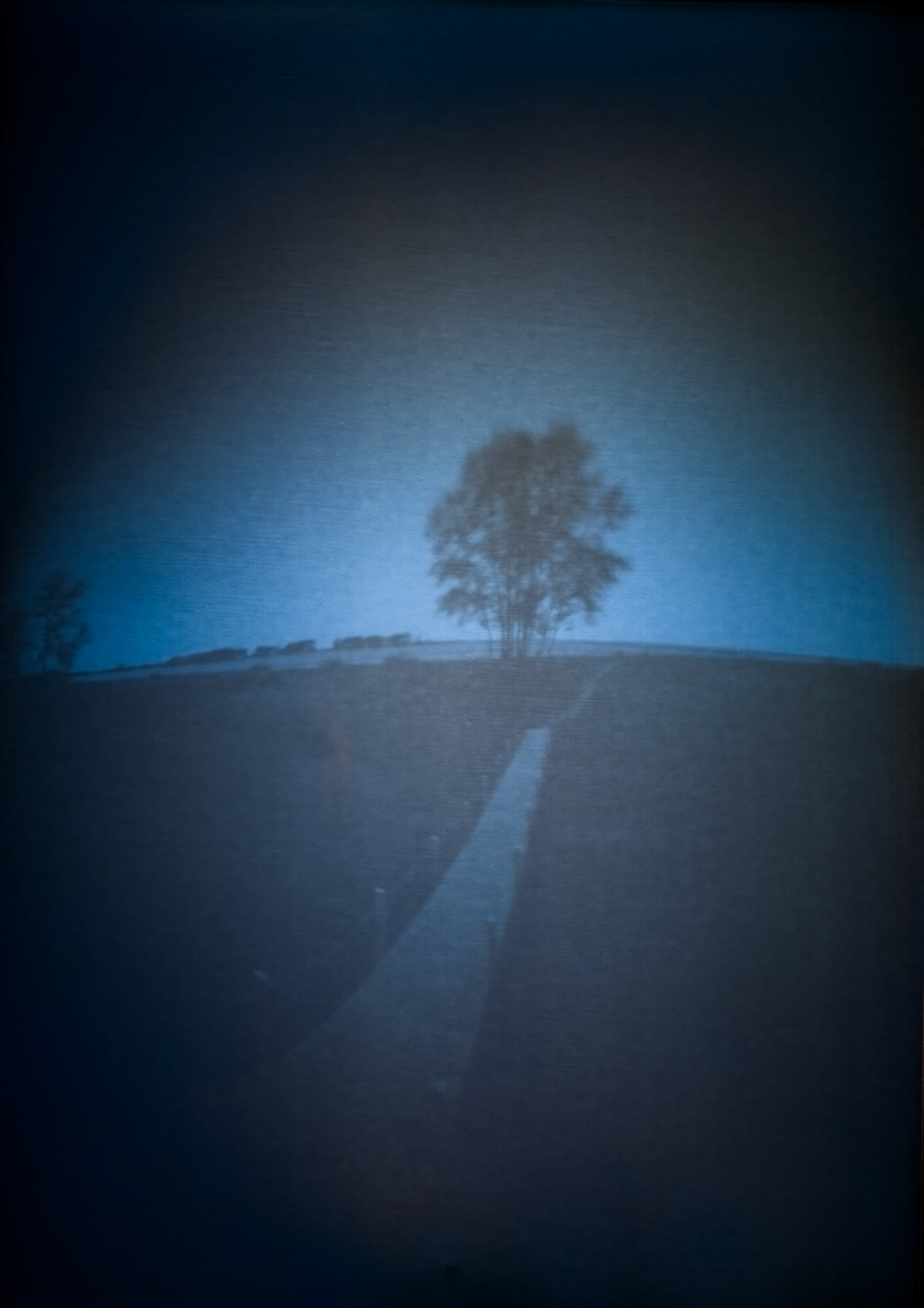
One week exposure
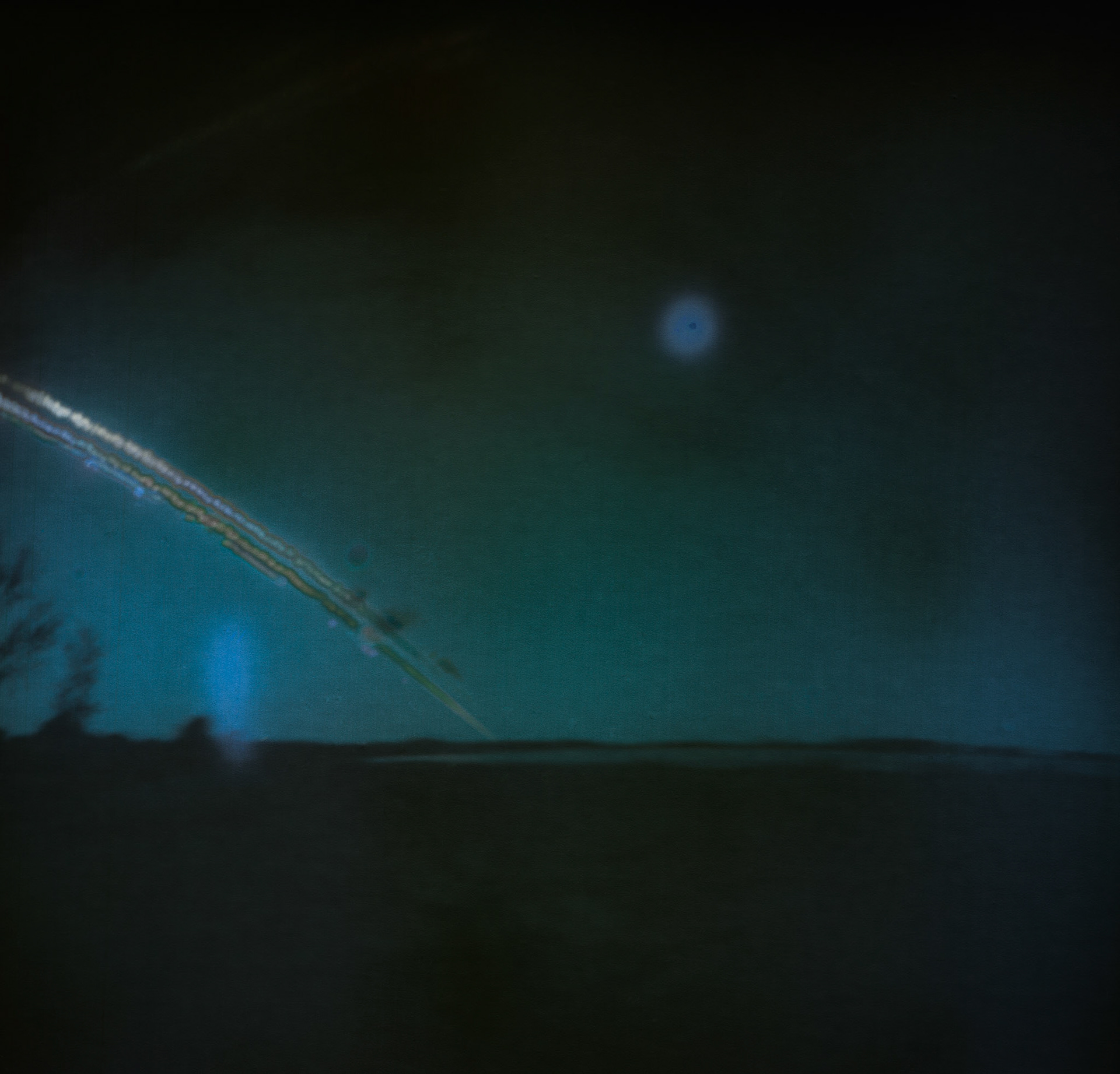
One week exposure
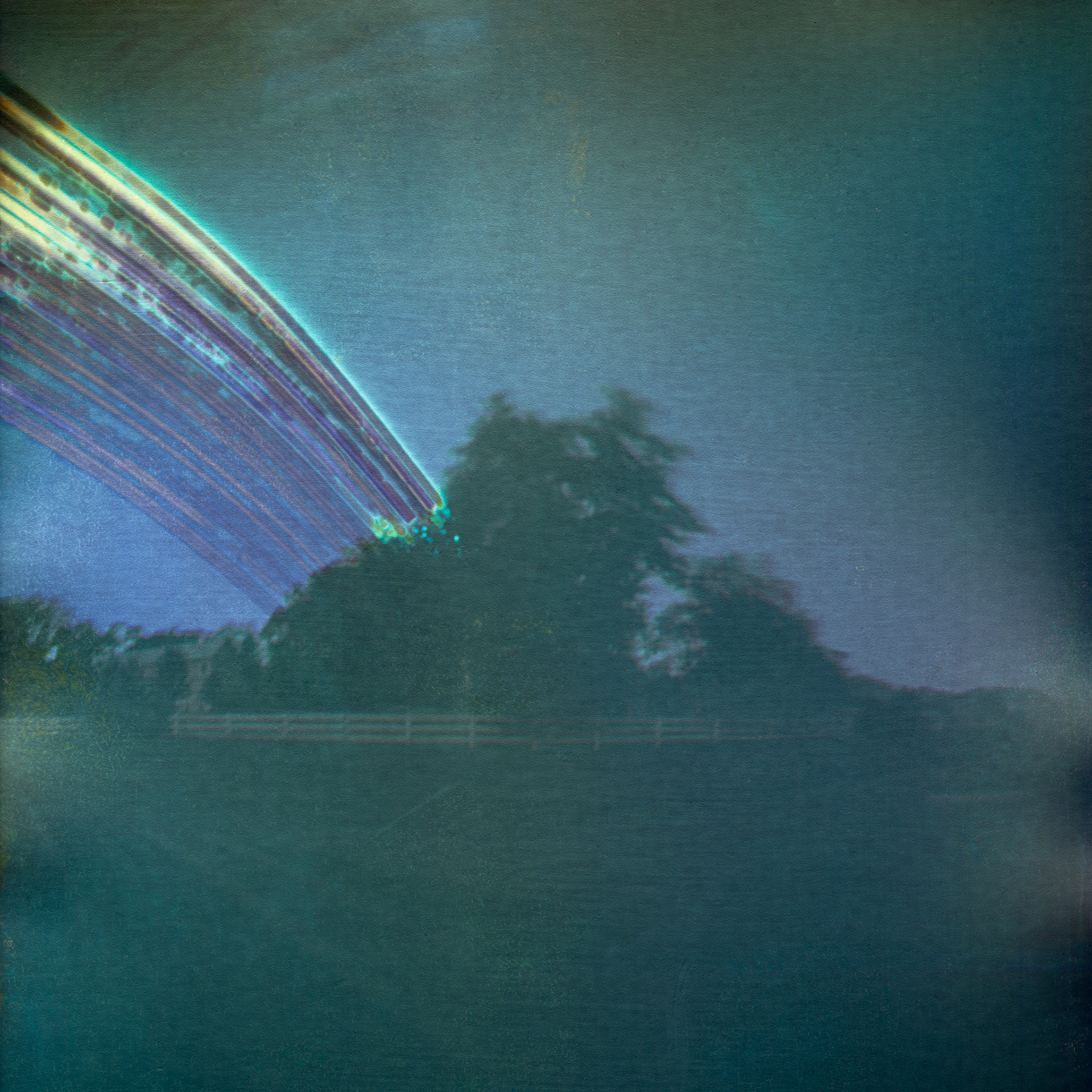
Six month exposure
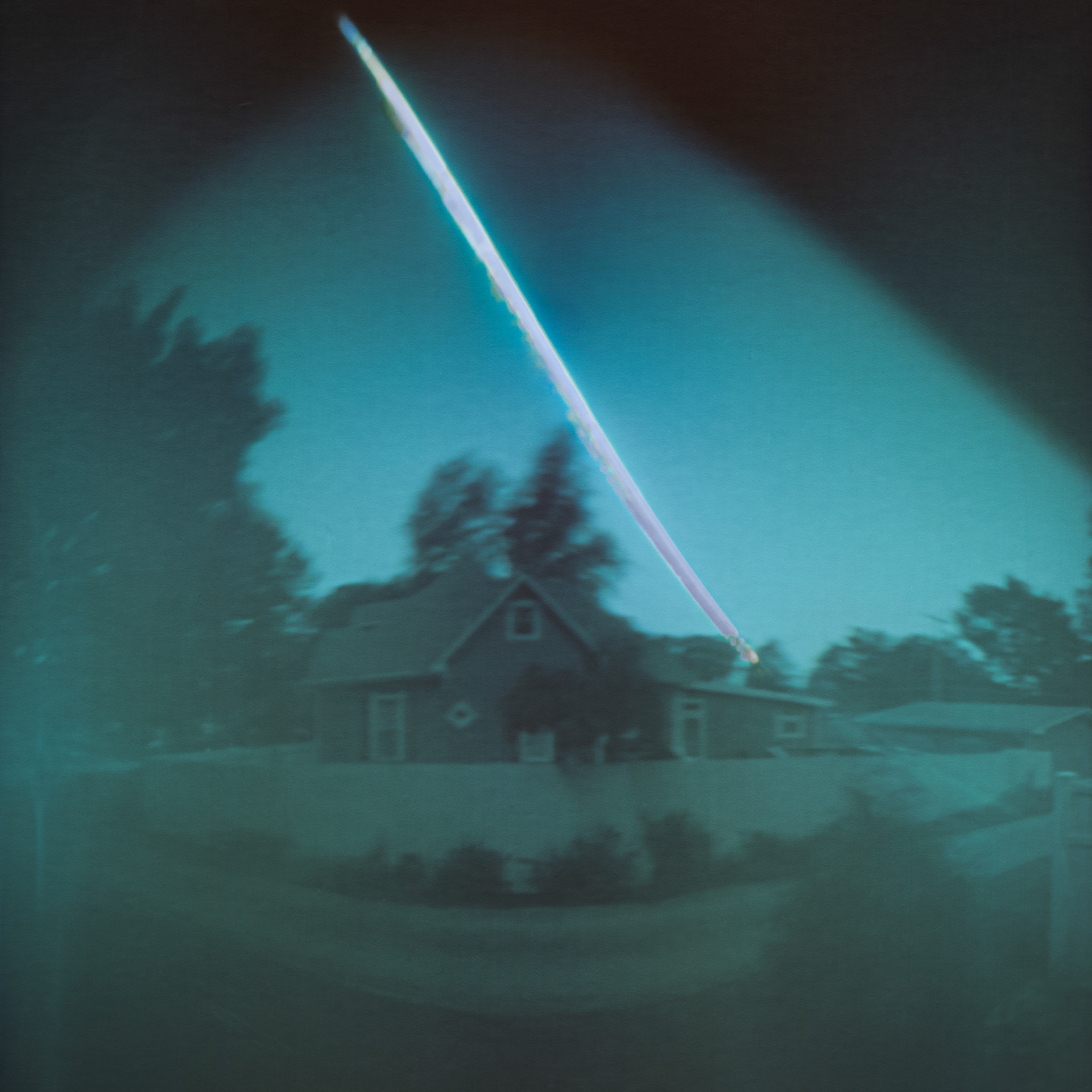
Seven day exposure
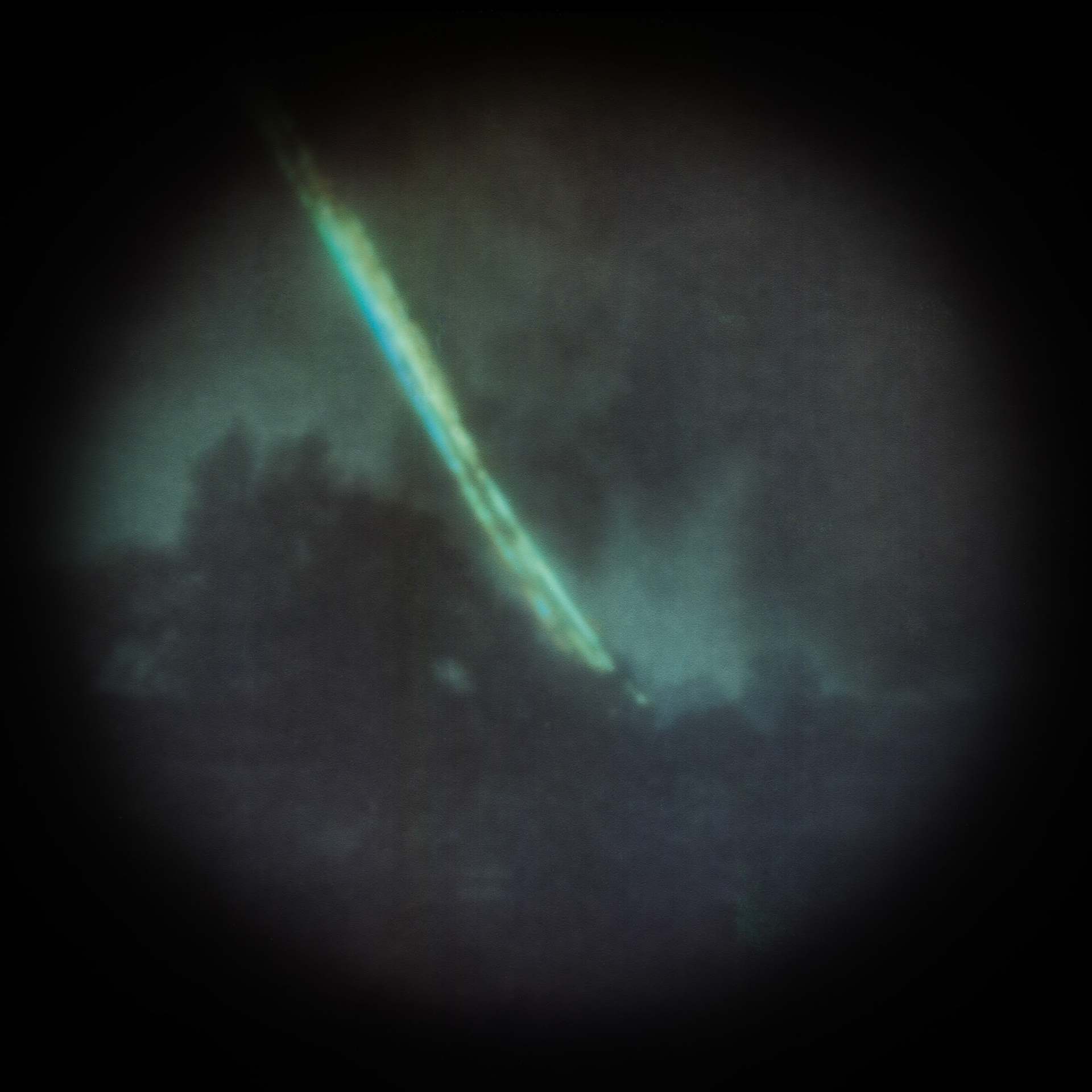


How It Works: The AriZona Tea Can Pinhole A pinhole camera is photography stripped to its bones. No lens, no shutter mechanism, no electronics. Just a light-tight container, a tiny hole, and a piece of light-sensitive paper. The can itself is the camera. I take an empty AriZona iced tea can and punch a small hole in the side with a safety pin. That hole is the only "lens" the camera has. The thin aluminum wall is the right gauge for a clean pinhole, so no shim, no drilling, no fuss. A 5x7 sheet of black-and-white photo paper goes inside, curved against the wall opposite the pinhole. Because the paper wraps around the interior, the image comes out distorted in a way a flat-film camera can't produce. Straight lines bend. The horizon curves. That's the look. A piece of black electrical tape over the pinhole acts as the shutter. I secure the can somewhere outdoors, peel the tape back, and walk away. Exposures run for days, weeks, or months. Over that time the sun traces arcs across the sky, the seasons shift, weather rolls through, and all of it accumulates onto the single sheet of paper inside. When I retrieve the can, I cover the pinhole with electrical tape, bring it back to my studio, pull the paper out, and scan it to my computer immediately. No developer, no fixer, no darkroom. The image the light burned into the paper gets captured digitally and inverted to read as a positive. What you're looking at is a one-off. No editing in camera, no preview, no second take.