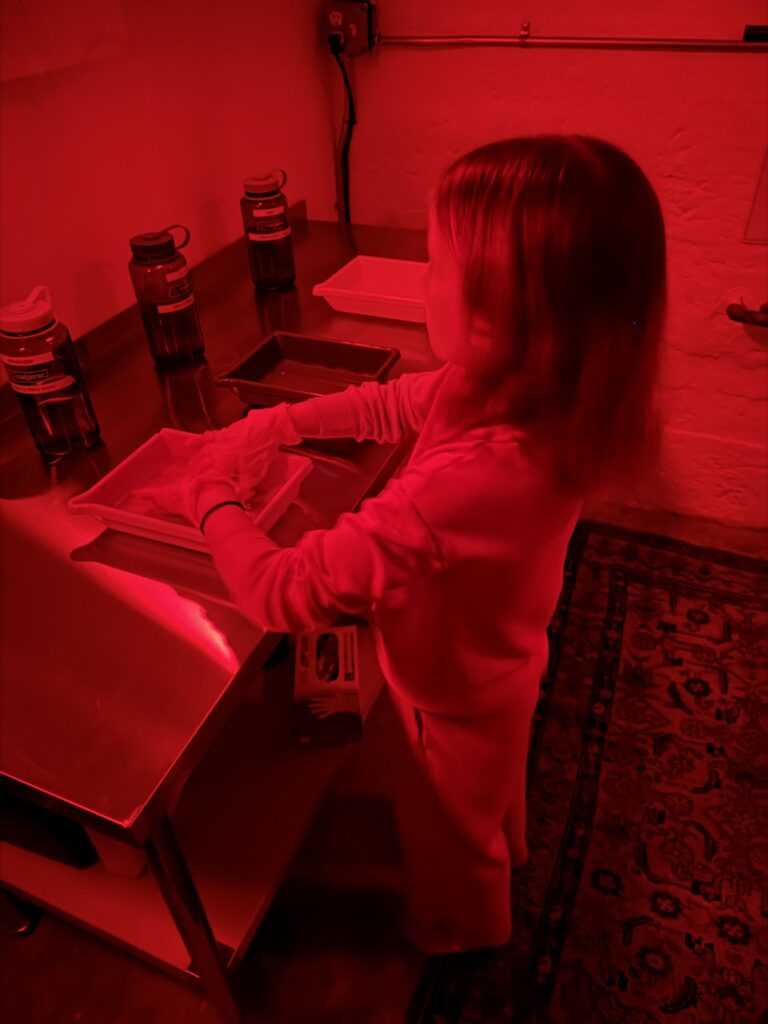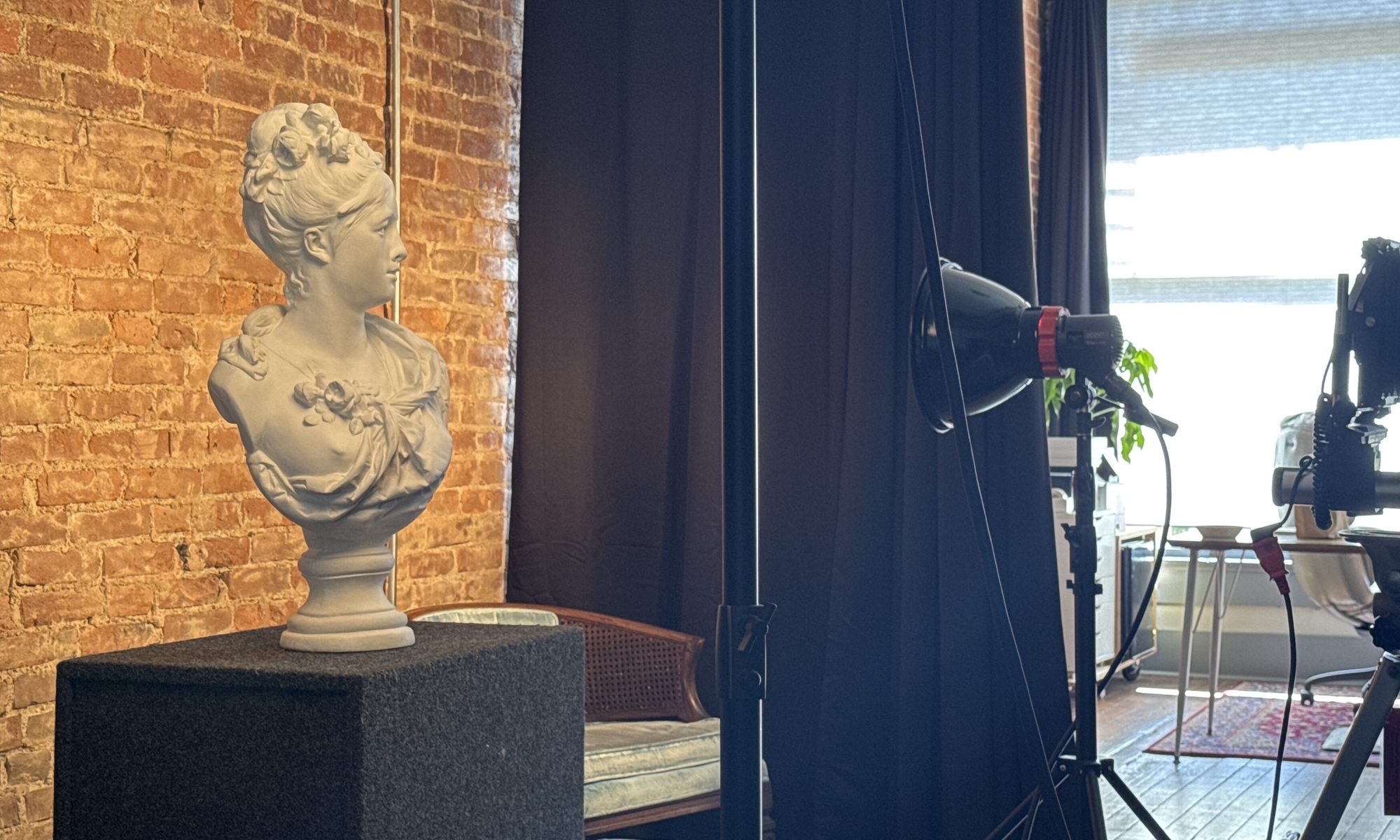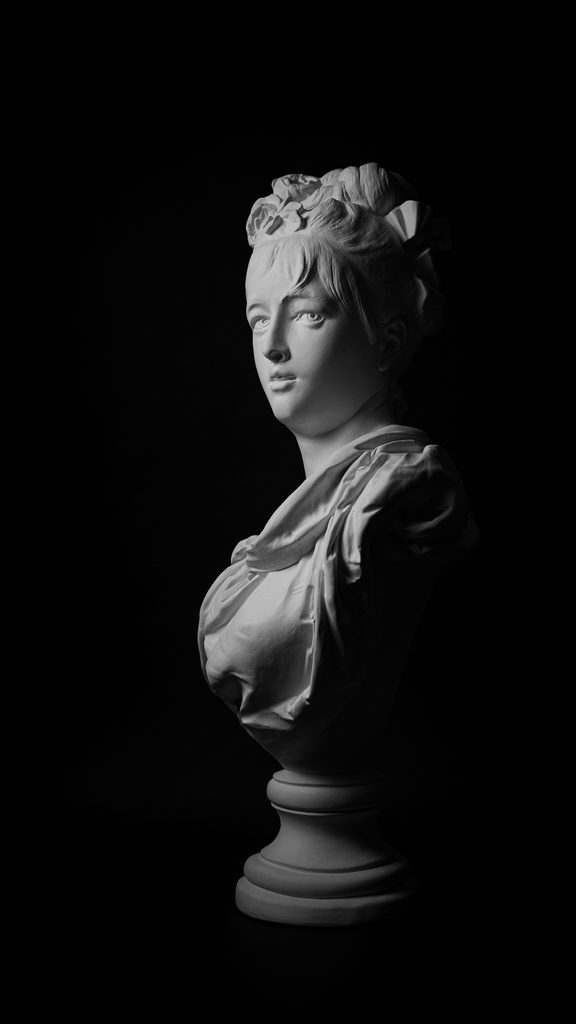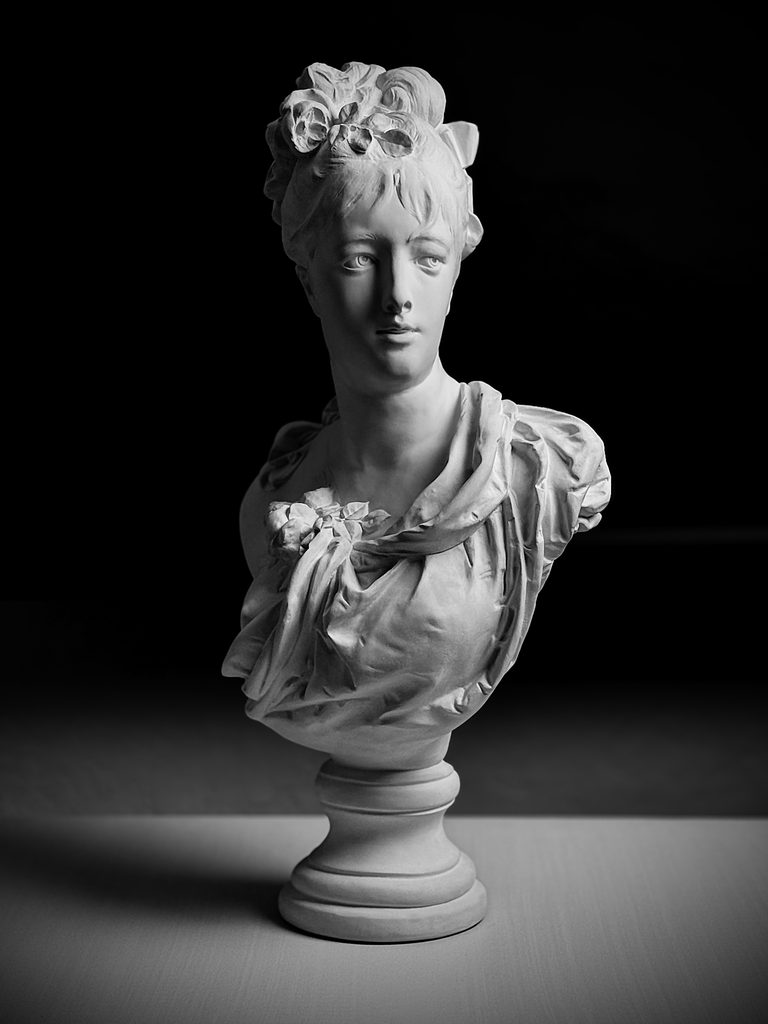

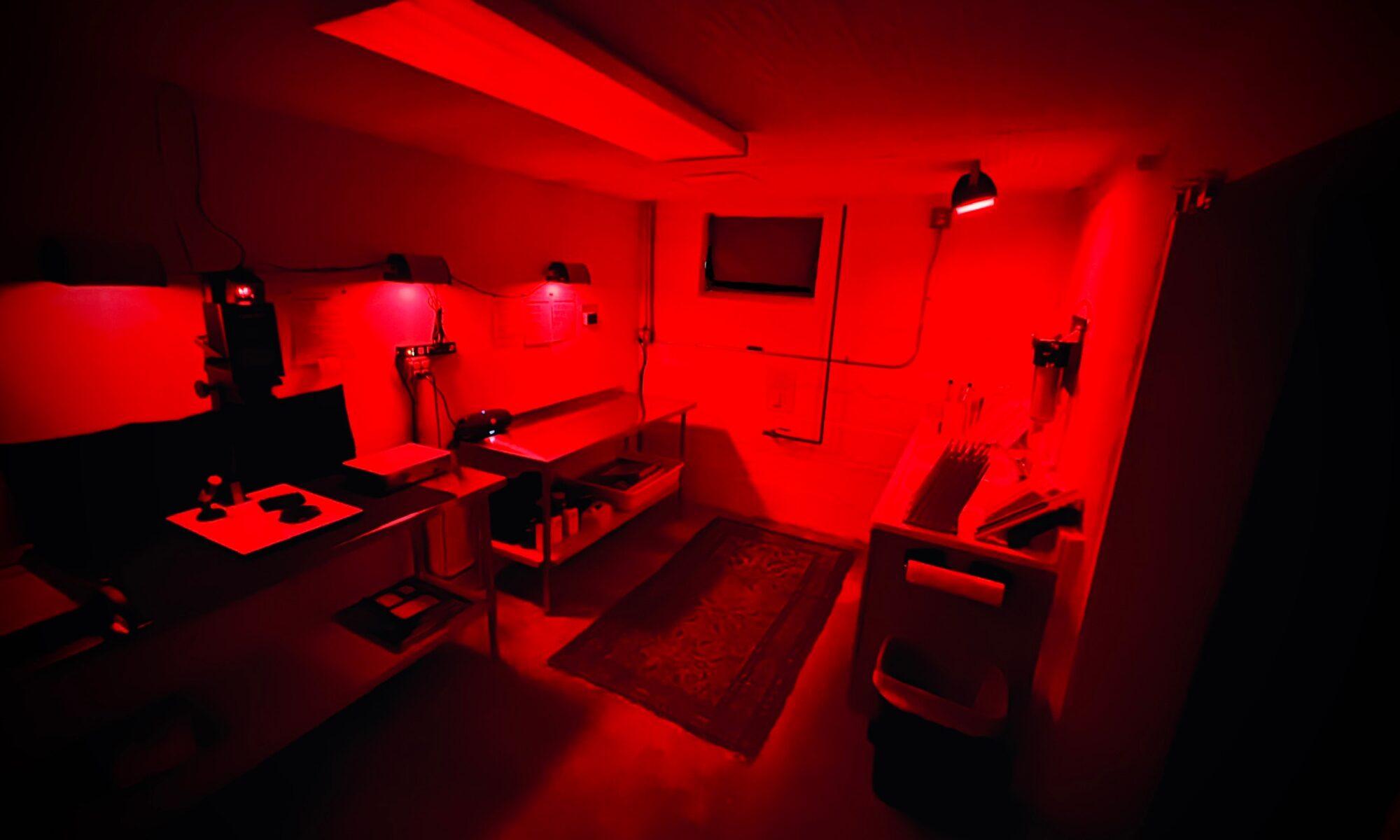
After becoming a juried artist with HCAA, I did what I do best: recognize hidden potential in a space. This time it was the basement of HCAA’s Birdie Gallery.
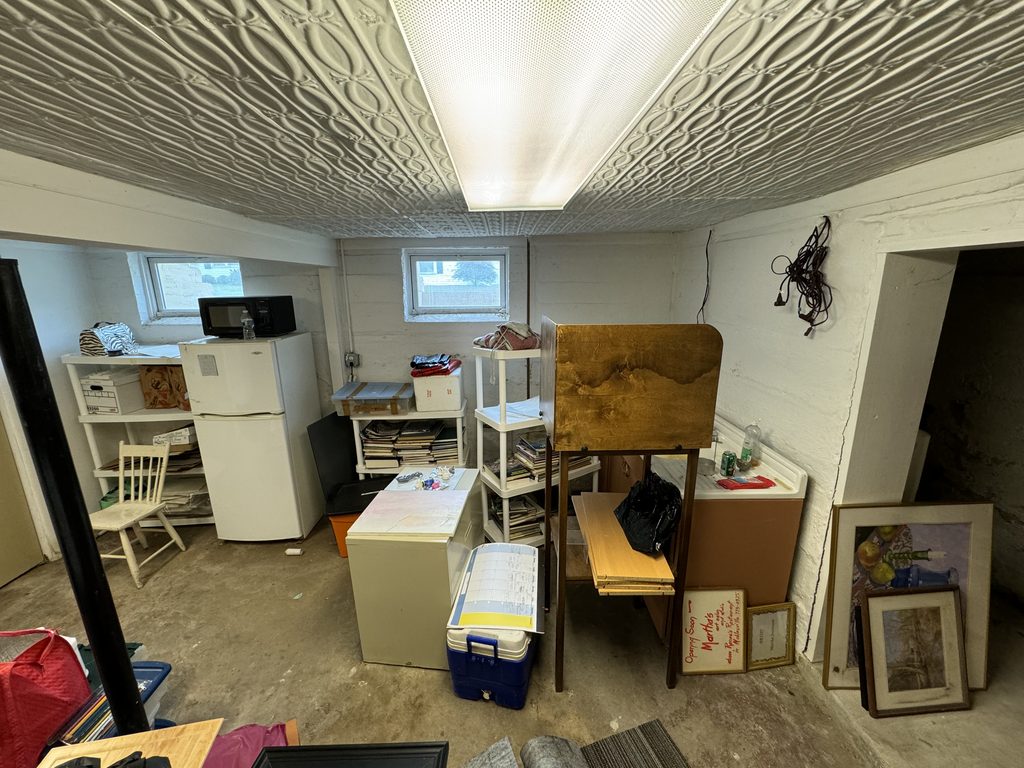
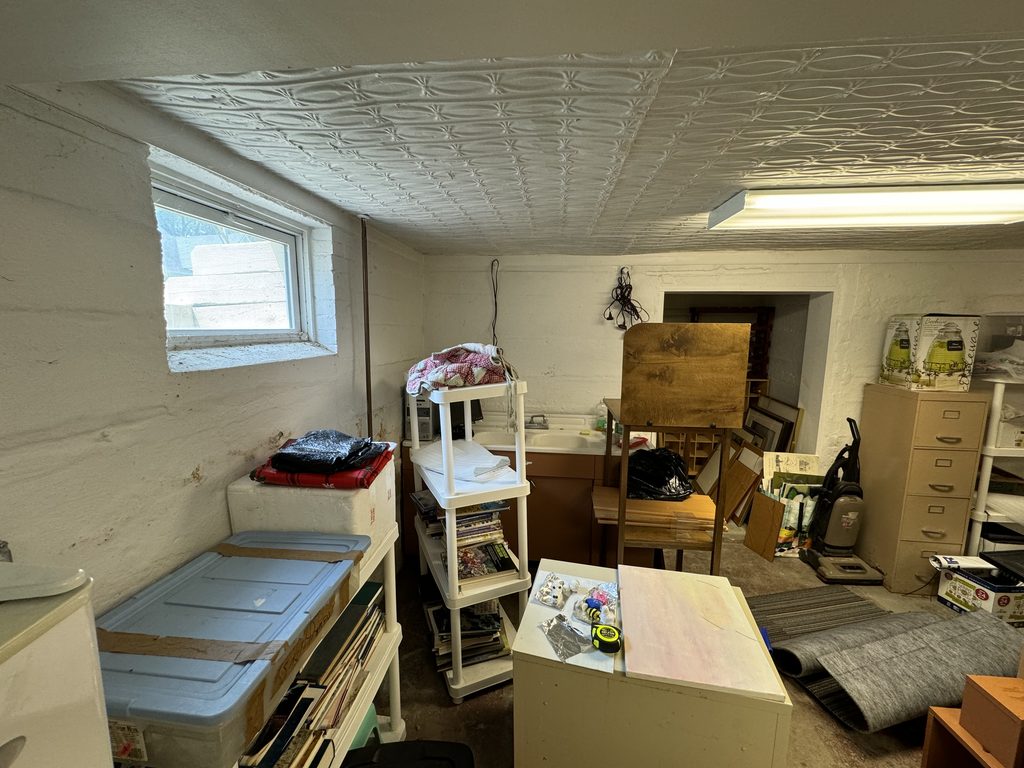
I was down there for my day job, the one that actually pays the bills, checking out the building’s heating and cooling equipment. Tucked in the corner was an old porcelain-top kitchen sink. I looked closer and it was still plumbed in and functional. That’s when the gears started turning.
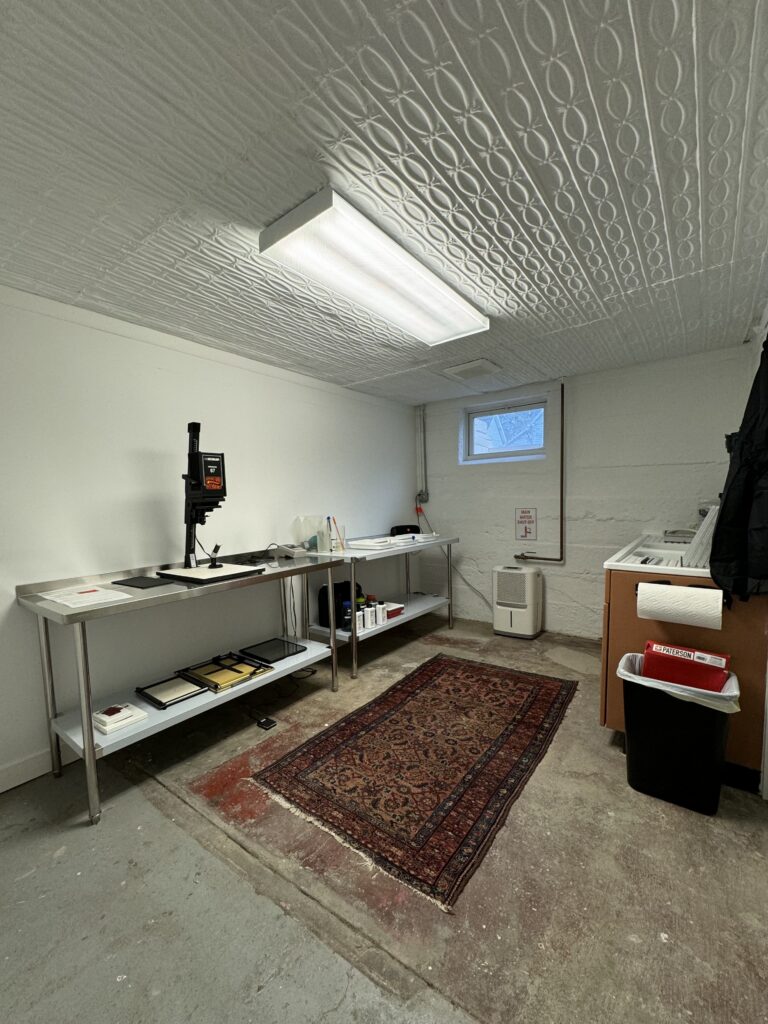
At the time the basement was just a catch-all: storage for things in rotation and things forgotten. I came up with a plan. Turn half of it into a darkroom and small studio, and keep the other half as storage HCAA still needed. I pitched it to the board expecting pushback. They gave me the green light instead.
I paid for the buildout myself and put in the sweat equity, clearing out and organizing the basement to make room. We ran a yard sale for the stuff nobody needed anymore. The support from the HCAA board and membership through all of it was genuinely inspiring.
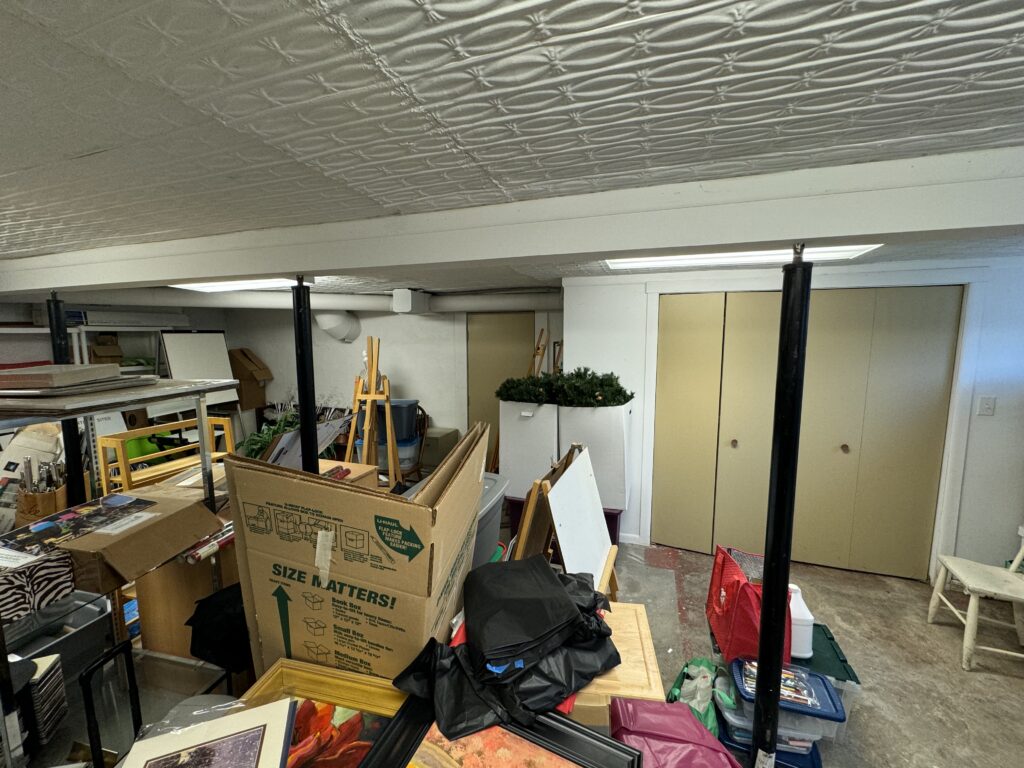
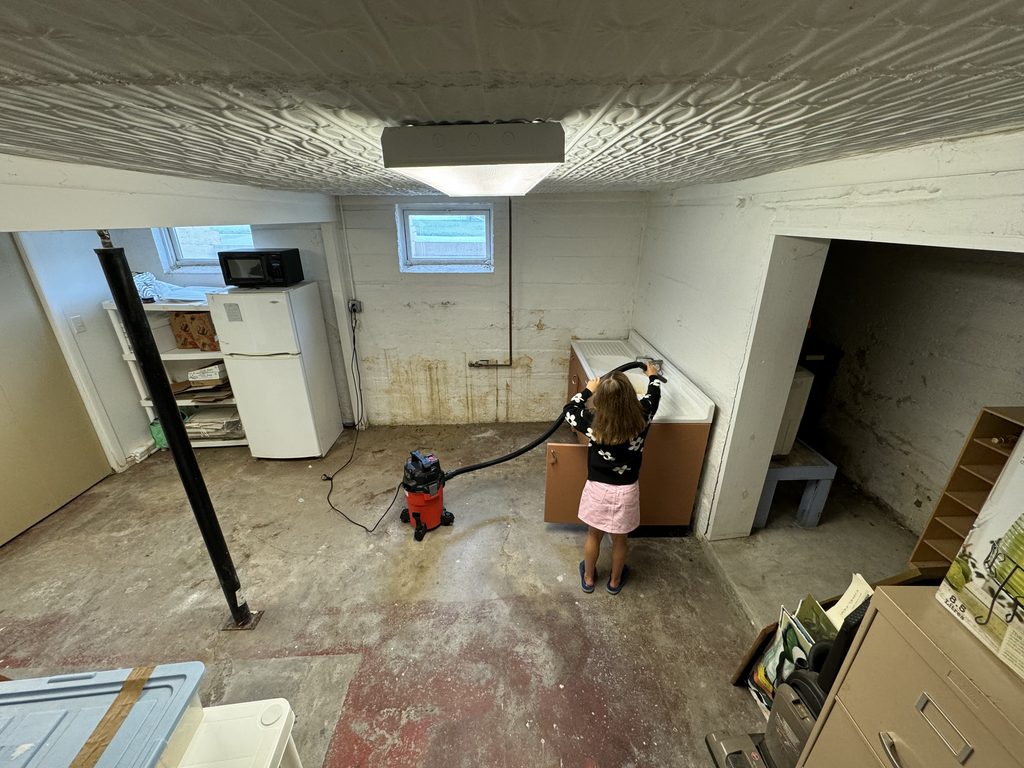
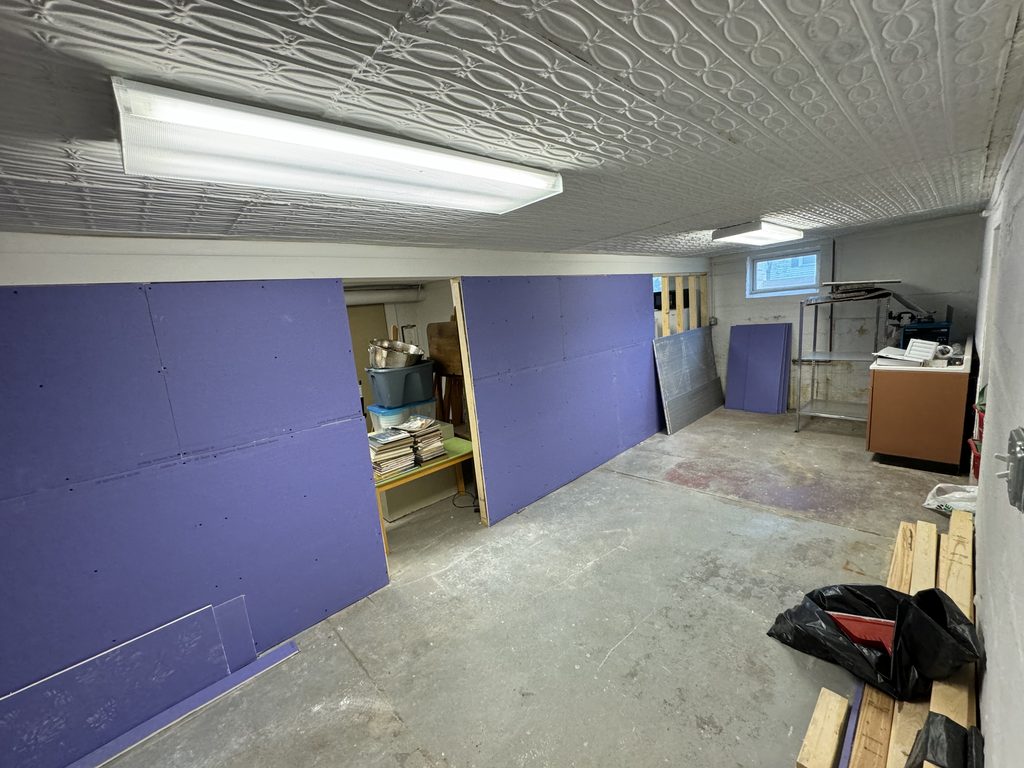
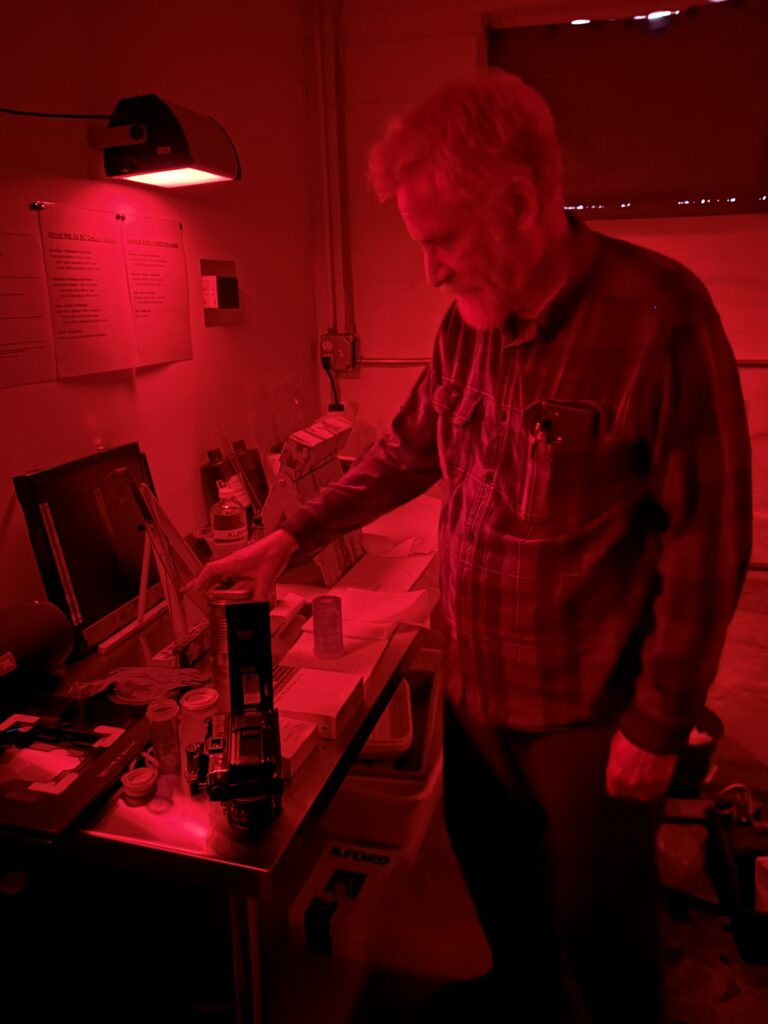
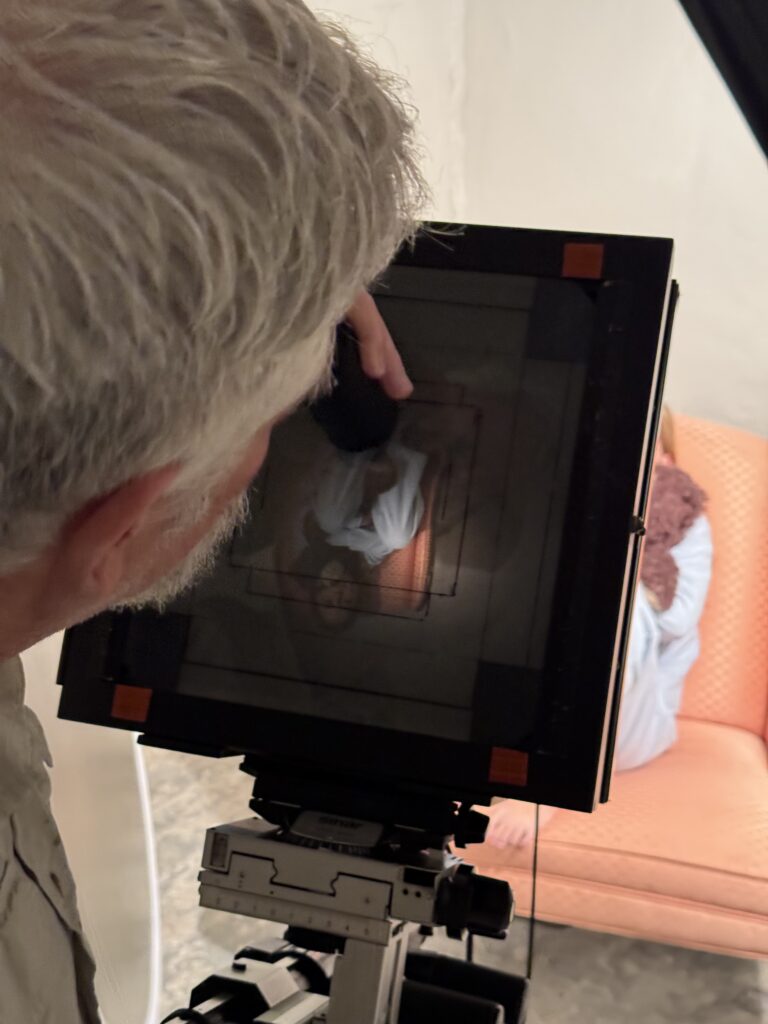
A few weeks of buildout later, I had a working darkroom with an attached studio. It’s served my own projects since, and it’s hosted more than that. My friend Dale Bernstein has ran wetplate portrait days and workshops there, and I’ve done hands-on darkroom demos for HCAA’s youth membership.
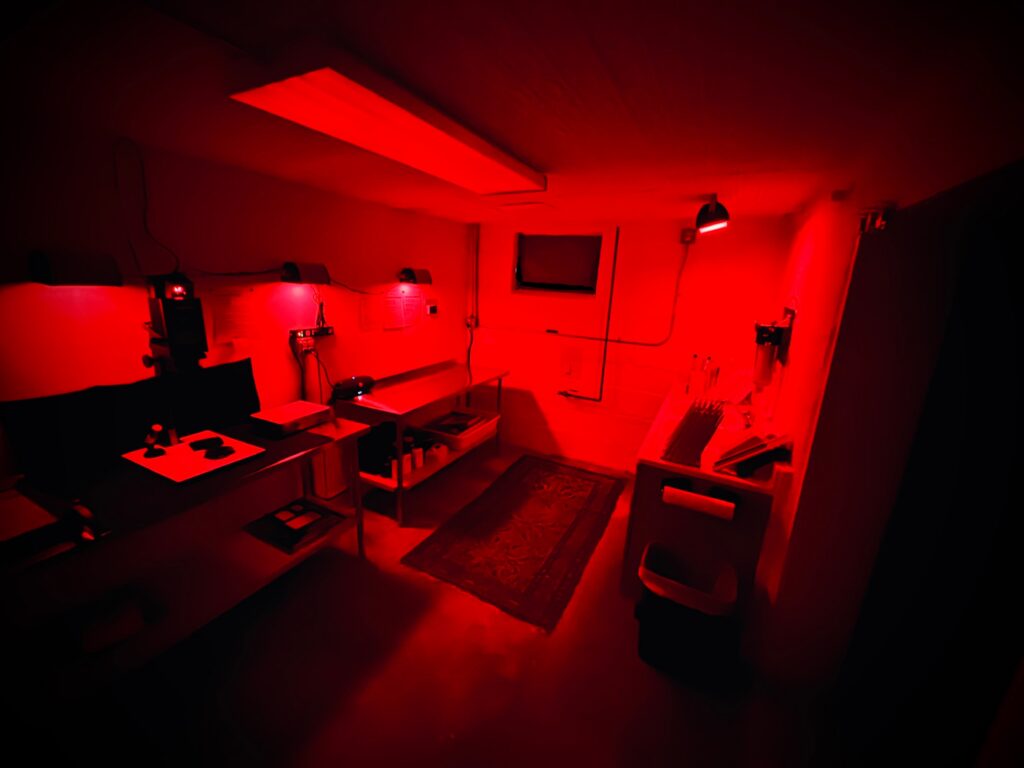
Youth Members