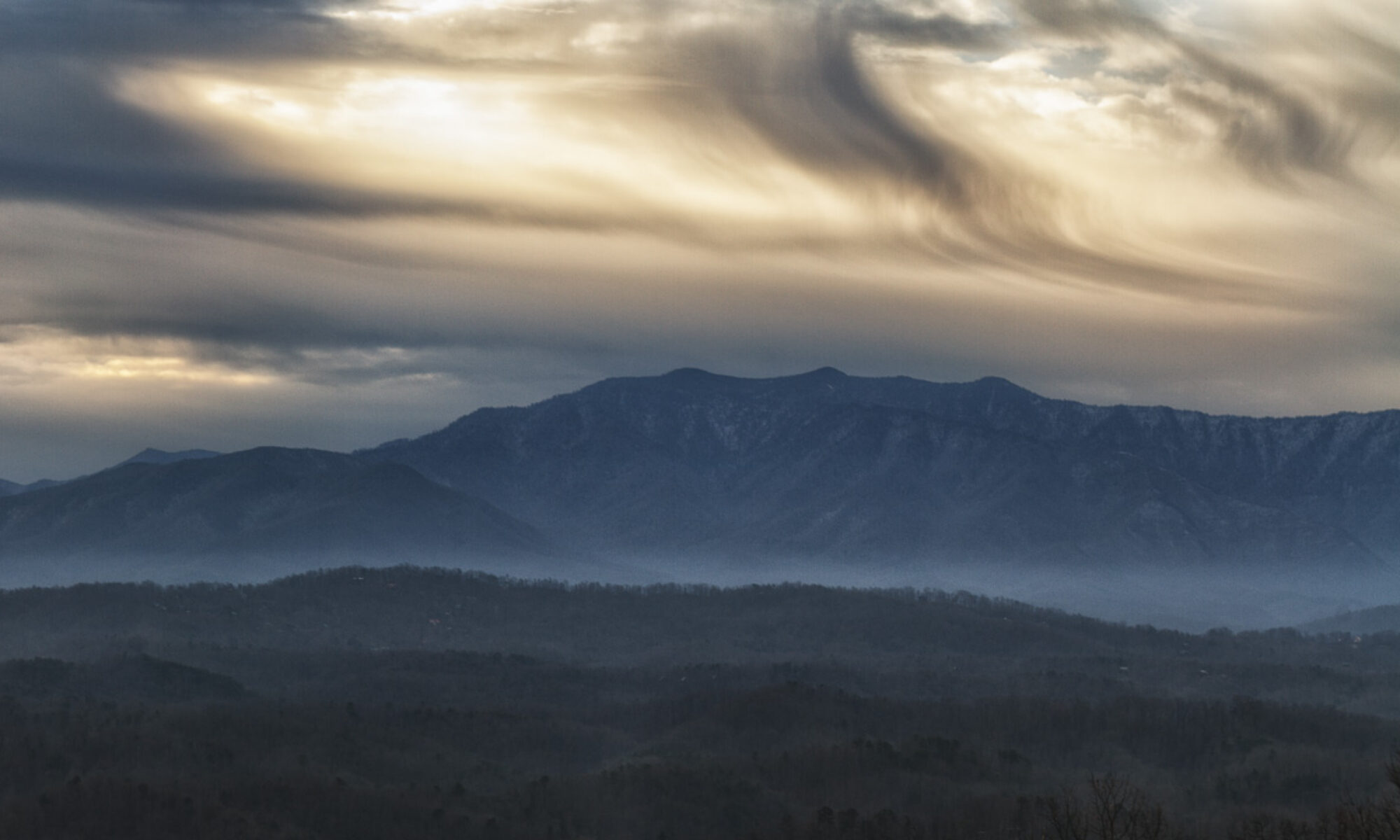

Riverside Cemetery sits along the White River, on land that was once part of William Conner’s farm. Sources disagree on exactly when it became a cemetery, one puts it at 1820, three years before Noblesville existed as a town, another puts it at 1827, with the earliest marked grave dated 1824. Either way, it’s the oldest ground in the county seat.
The river has always been the problem. On March 26, 1913, the White River broke its banks, cut Noblesville off from the rest of the county, and crested at 23.8 feet, a record that stood for 113 years. By 1867 the city had already given up trying to keep Riverside dry for good and built Crownland Cemetery on higher ground, but Riverside stayed where it was, and stayed vulnerable.
On August 15, 2026, the river broke that century-old record. It crested at 24.6 feet, nearly a foot above 1913, during what turned out to be a 1-in-1,000-year rain event. Around 170 residents evacuated. The USGS gauge that tracks the river here sits a few hundred feet from the cemetery gates.
At least fourteen Black Civil War veterans are buried here, alongside founders, judges, infants, and unmarked plots going back well over a century.
I have a personal stake in this ground. I’m a member of the Hamilton County Artists’ Association, and my darkroom and studio sit in the basement of HCAA’s Birdie Gallery, the old First Missionary Baptist Church, which shares a fence line with the cemetery’s eastern edge. I develop these photographs a few dozen feet from where most of these people are buried.
This is a walking tour built from headstone research, GPS-mapped stops, and photographs shot on expired 4×5 direct positive paper, each one an attempt to hold still in front of something that’s usually just passed by.
Riverside Walking Tour
1. HCAA’s Birdie Gallery
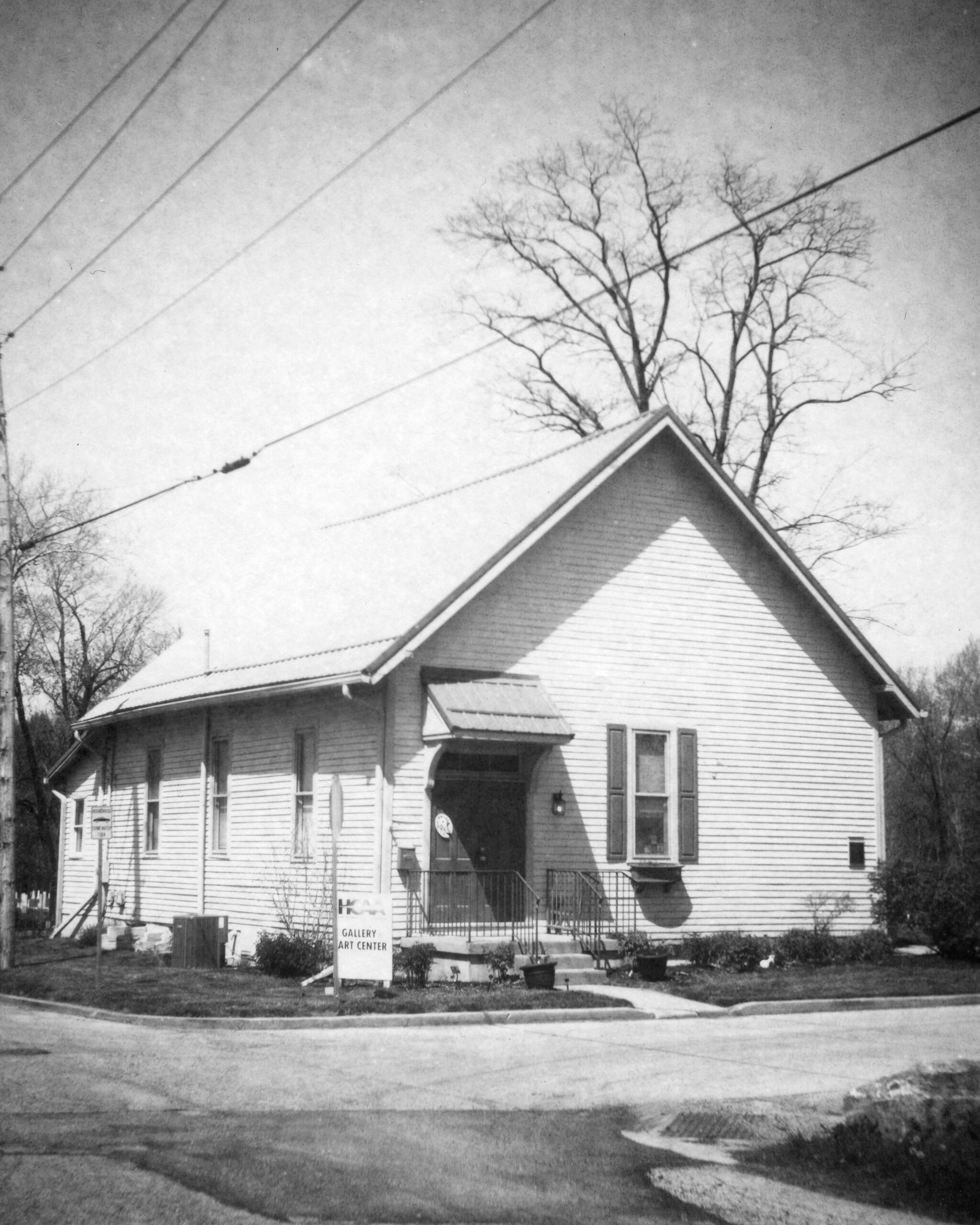
The HCAA’s current home is the historic First Missionary Baptist Church. Located at the corner of 5th and Cherry Streets (formerly Amo and Brock Streets), on the eastern edge of the Riverside Cemetery along the White River, the church has a profound historical significance.
Historical records indicate that the church was started in 1873 and completed in 1875 at a cost of approximately $650.
2. Donte Jamal Whitworth (United States Marine)

Corporal Whitworth’s story is one of profound sacrifice. Killed in action in Iraq in 2009, he was laid to rest with the highest military honors. A Marine honor guard personally delivered his headstone, ensuring his memory and service were commemorated with the utmost respect.
3. Once Displaced Memorials
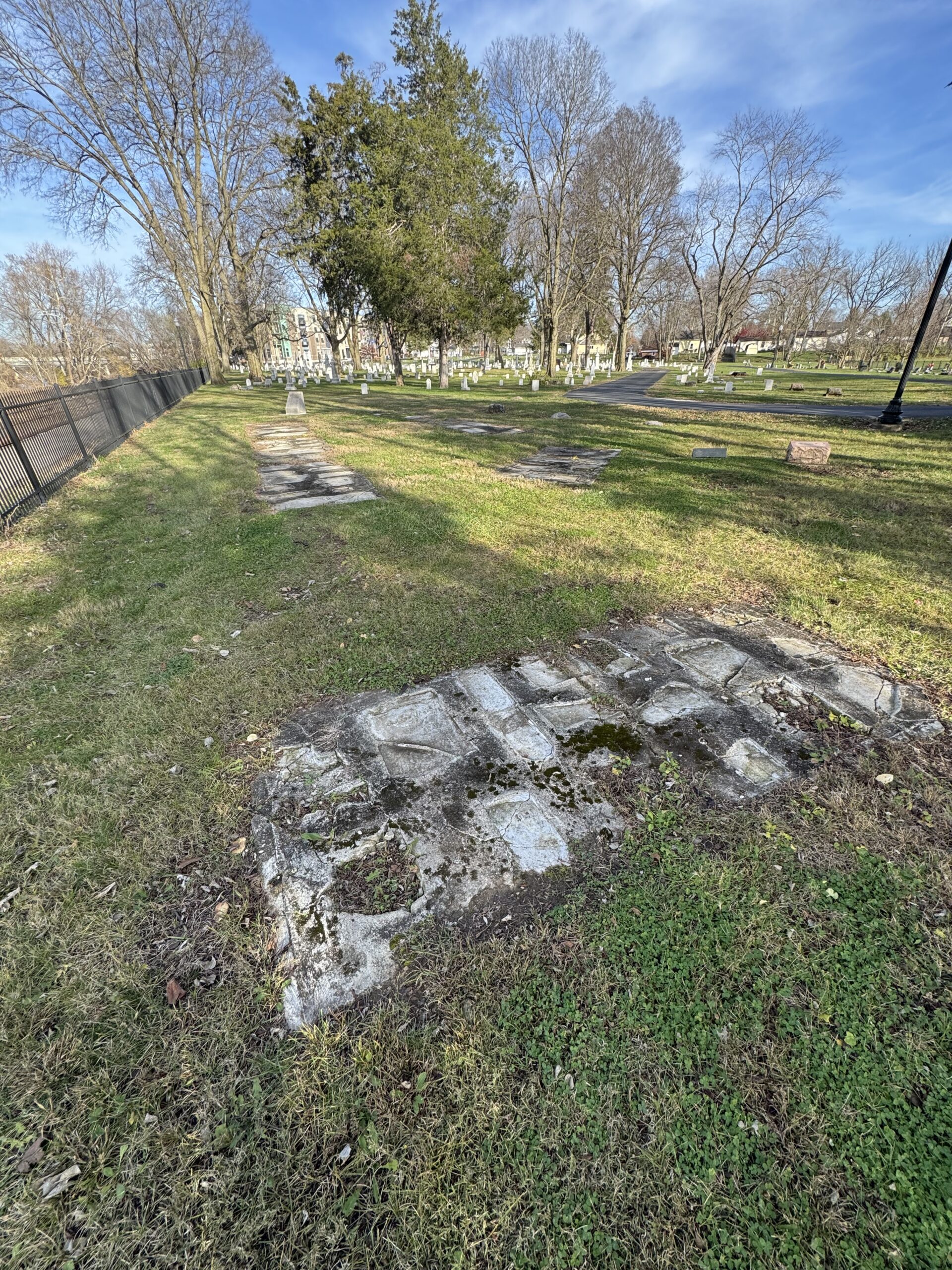
Time and nature have left their mark on the cemetery, creating a historical mystery that endured for decades. Floods displaced numerous grave markers, washing them from their original resting places and scattering them across the grounds. In an effort to preserve these remnants of the past, they were carefully set in concrete, arranged with the hope that someone might one day identify where they truly belonged. For years, these stones stood as silent witnesses to both the passage of time and the challenges of historical preservation, serving as a testament to the lives they once memorialized and the forces that had reshaped their final resting place.
However, this chapter of the cemetery’s history came to a close in 2022, the final year of an extensive restoration project. The displaced markers, which had long stood apart from their intended locations, were carefully removed and relocated. Though they no longer remain in their temporary setting, their history—and the efforts made to honor and preserve it—remains an important part of the cemetery’s legacy.
4. John Hoard (Union Soldier)
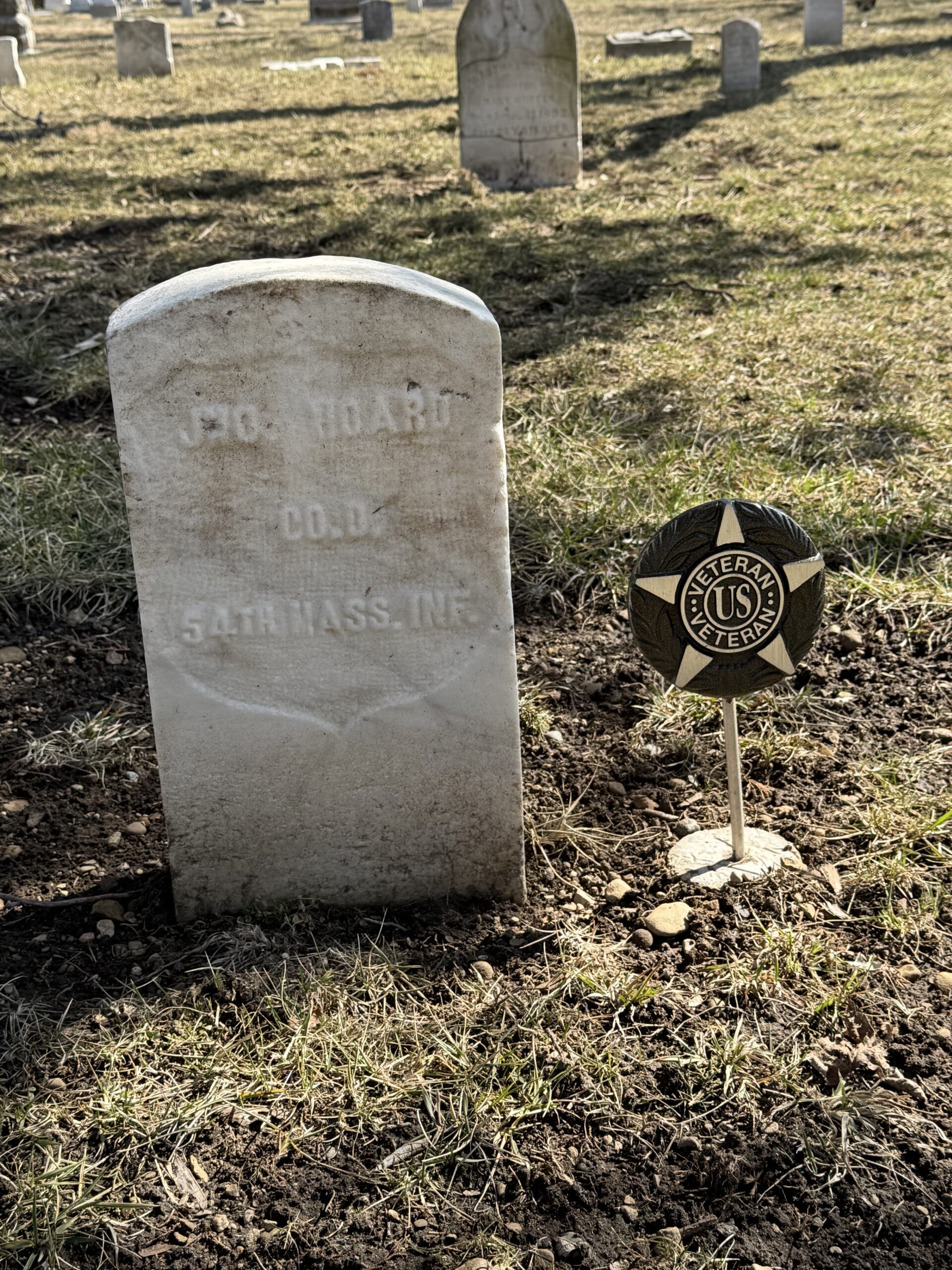
The headstone of John Hoard is unique because he is listed as a member of Company D of the 54th Massachusetts Regiment. What is a guy from Massachusetts doing in Noblesville, Indiana? Most likely, John Hoard had never stepped foot in Massachusetts prior to enlisting to fight. The 54th Massachusetts was made up of African American freemen and was the first colored unit in the Federal Army.
Most people know about Abraham Lincoln’s Emancipation Proclamation. This executive order declared that any slaves in states that were part of the rebellion were declared free. This took effect on January 1, 1863, and is seen as a key turning point in the war. What many people don’t realize is that Lincoln’s proclamation also allowed African Americans to take up arms and join the Union cause.
Here is how the Proclamation states it:
“And I further declare and make known, that such persons of suitable condition, will be received into the armed service of the United States to garrison forts, positions, stations, and other places, and to man vessels of all sorts in said service.”
This caused quite a stir throughout the Confederacy. Not only was Lincoln taking away their slaves, he was also arming them to fight against the boys of the South. The leaders of the Confederacy sent a message to Lincoln that they intended to execute any black man captured in service of the Union army. Lincoln sent a message back that for every such execution, he would order a captured Confederate prisoner to be executed. These strong words were cause for concern, but Lincoln was being pushed by northern abolitionists to form a new unit of the federal army – the U.S. Colored Troops. Among those abolitionists was Frederick Douglass.
Another of these abolitionists was the governor of Massachusetts, John Andrew. Andrew stepped up and declared he would raise the first colored regiment – the Massachusetts 54th. However, Massachusetts did not have enough freemen to fill the ranks, so national recruitment began and reached as far as Noblesville, Indiana. Douglass led the recruitment.
There was a concern in the north about sending black soldiers into battle. Given the strongly worded intentions of southern leaders, would black soldiers wilt during the heat of battle? All eyes were on the Massachusetts 54th as they were sent to South Carolina. In their most celebrated action, they led a charge against Fort Wagner in Charleston Harbor on July 18, 1863. The 54th successfully breached the fort, but under heavy fire and tremendous casualties, were eventually turned back. However, the men fought valiantly, and their bravery was the spark needed for Lincoln to establish the U.S. Colored Troops. One hundred eighty thousand African American men volunteered as soldiers to fill these ranks.
That brings us back, once again, to John Hoard, a volunteer soldier in Company D of the Massachusetts 54th. He was a member of that first regiment that opened the door for so many others. He died 21 years after the Massachusetts 54th led the charge on Fort Wagner and was laid to rest at Riverside Cemetery.
__________
This information was provided by Kevin Yaney. For more details, visit: http://www.civilwarveteranswalkingtour.com/
5. William Brown (Union Soldier)
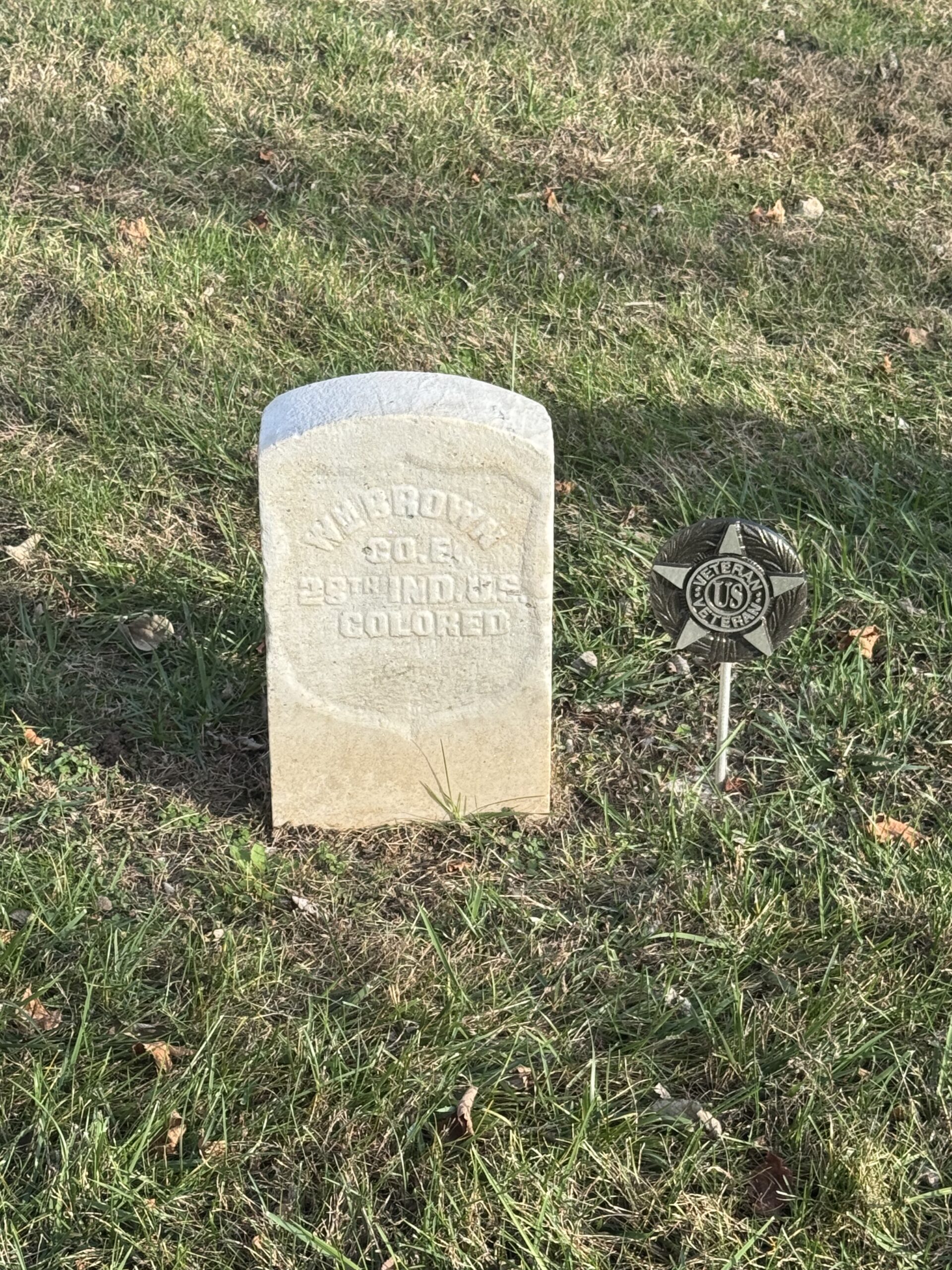
A military marker provided by the U.S. government tells the story of Mr. Brown, a veteran who served in a segregated unit. This headstone represents a powerful reminder of historical challenges while highlighting the cemetery’s long-standing commitment to inclusivity. Riverside Cemetery was never segregated and has always welcomed burials from all members of the community.
6. Joseph Hampton (Union Soldier)
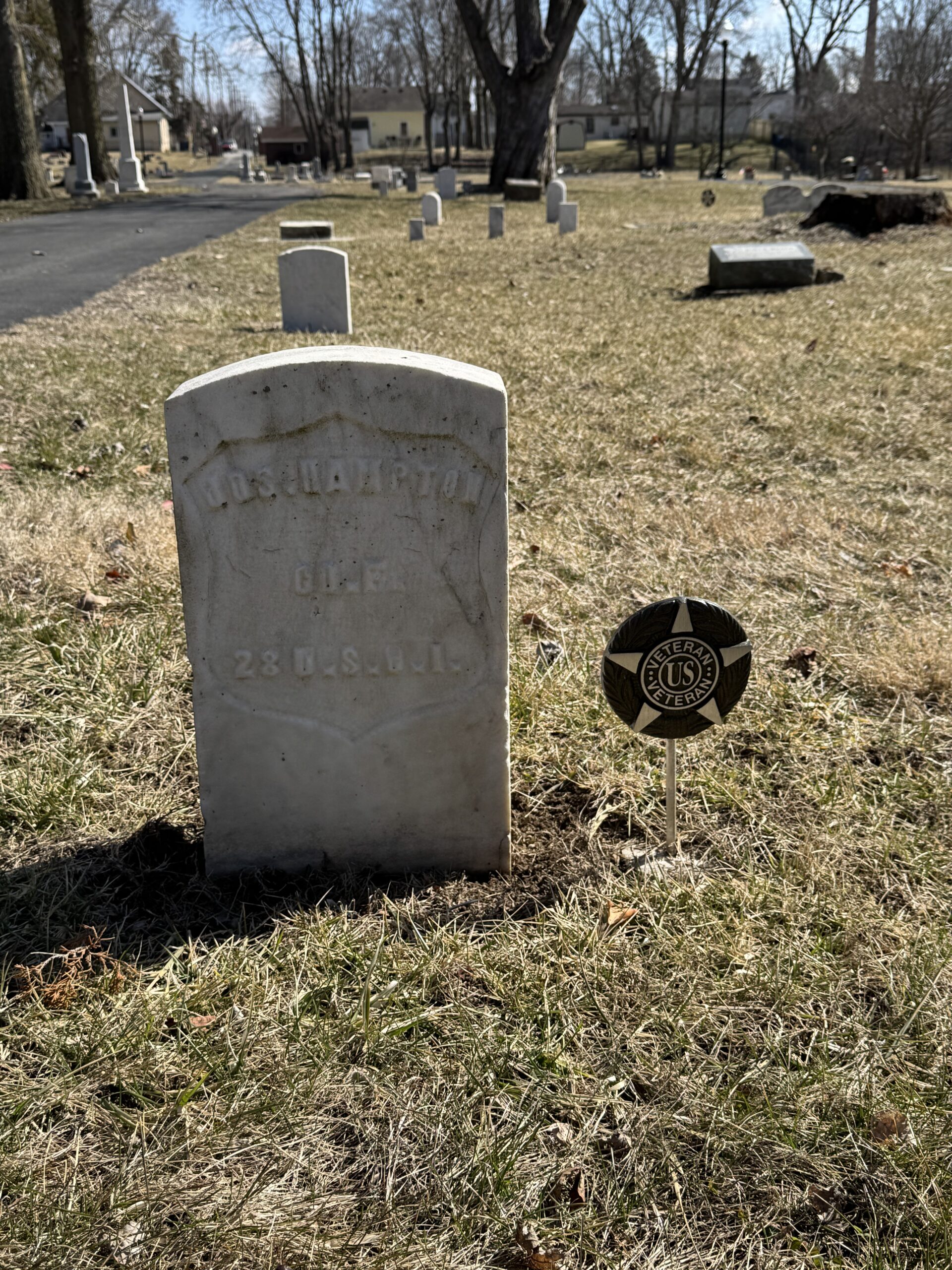
National Archives: https://catalog.archives.gov/id/57001890
NAID: 57001893 NAID File Unit: 57001890 Microform: M1824
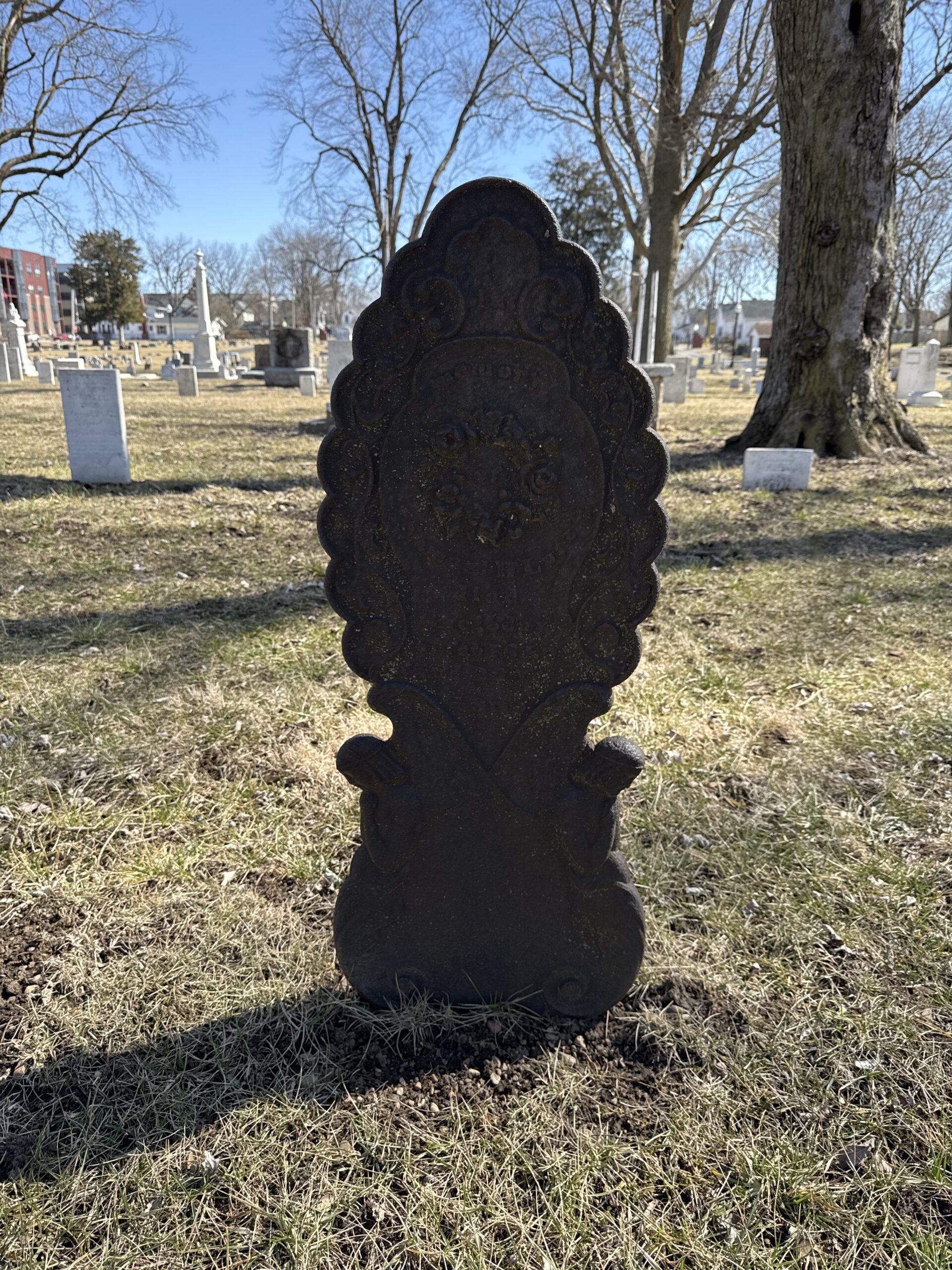
7. Giger Children Memorial

An intriguing marker catches the eye, distinguished by its unusual design. The names of the Giger children are etched on the ends of this distinctive memorial, creating a poignant tribute to young lives.
8. William Garver (Judge, Colonel)
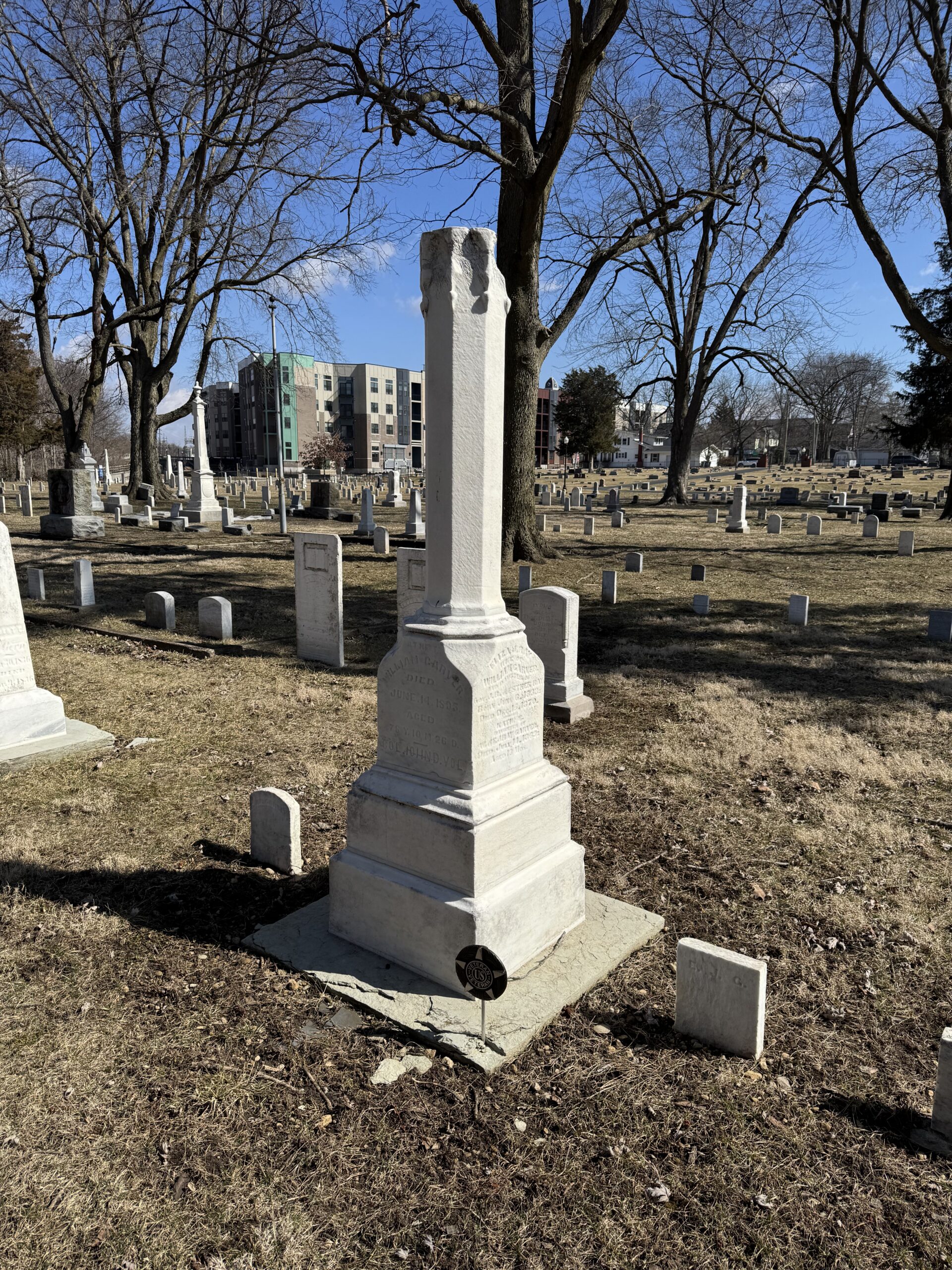
William Garver was a lawyer, judge, and state representative from Noblesville. He organized the 101st Indiana Volunteer Regiment in 1862 and served as its colonel until poor health forced his resignation about a year in. He returned to law, became judge in 1873, and later represented Hamilton and Tipton counties in the Indiana legislature.
His son, Dr. William Ray Garver, is buried nearby. The younger Garver’s headstone reads simply: “Hosp. Corps. Sp. Am. War,” Spanish-American War service in the Army Medical Corps, one generation removed from his father’s regiment.
10. Old Reviewing Stand

Standing as a testament to historical commemoration, the old reviewing stand once served as a platform for Decoration Day speeches. Here, the names of all veterans buried in the cemetery were solemnly read, honoring their service and sacrifice.
11. Shoemaker Memorials
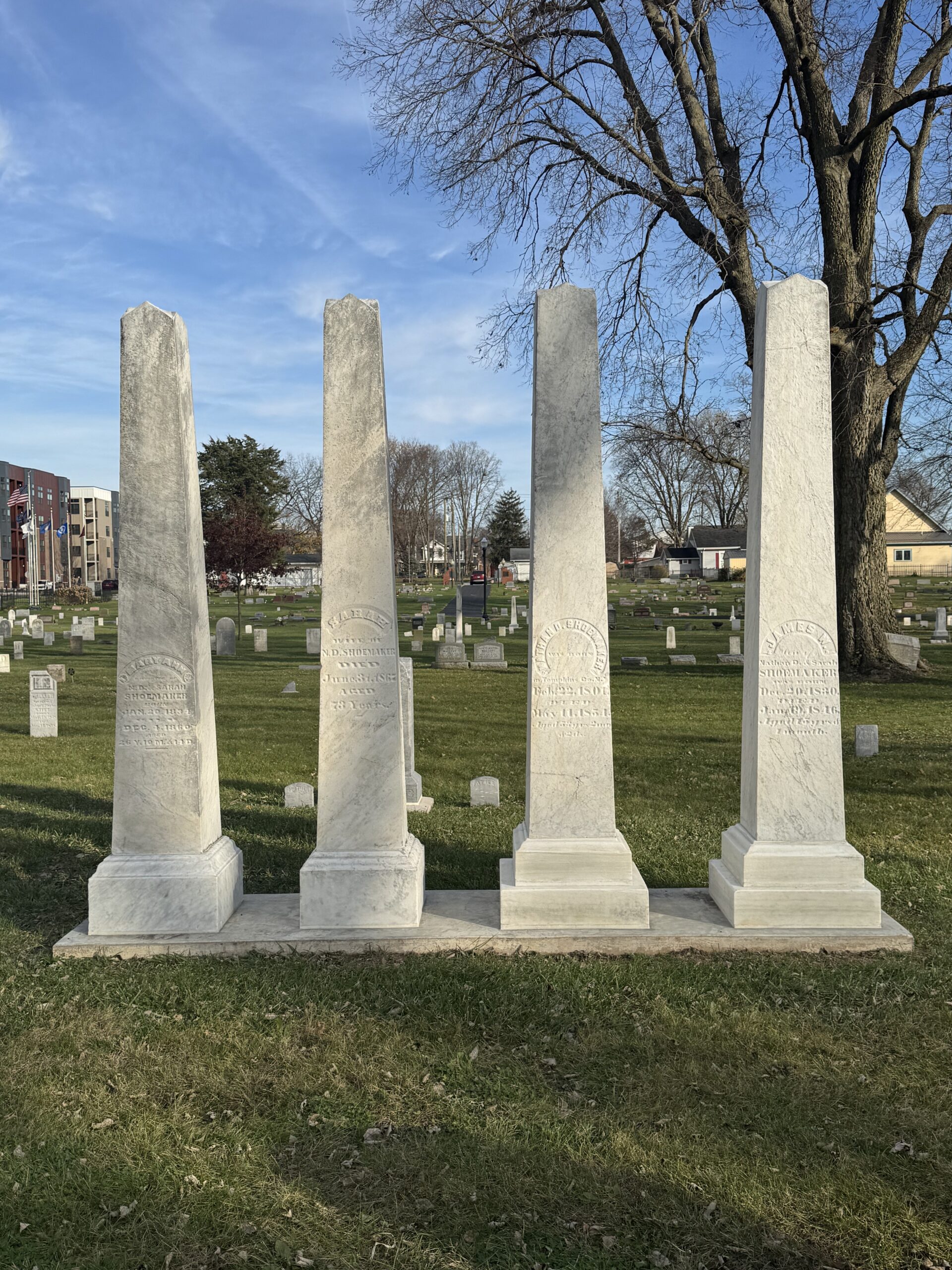
Prominent obelisks from the 1850s and 1860s rise from the landscape, offering a glimpse into the memorial practices of mid-19th century Noblesville. These monuments represent more than stone; they are enduring markers of local history and remembrance.
12. Conner and Finch Family Plot
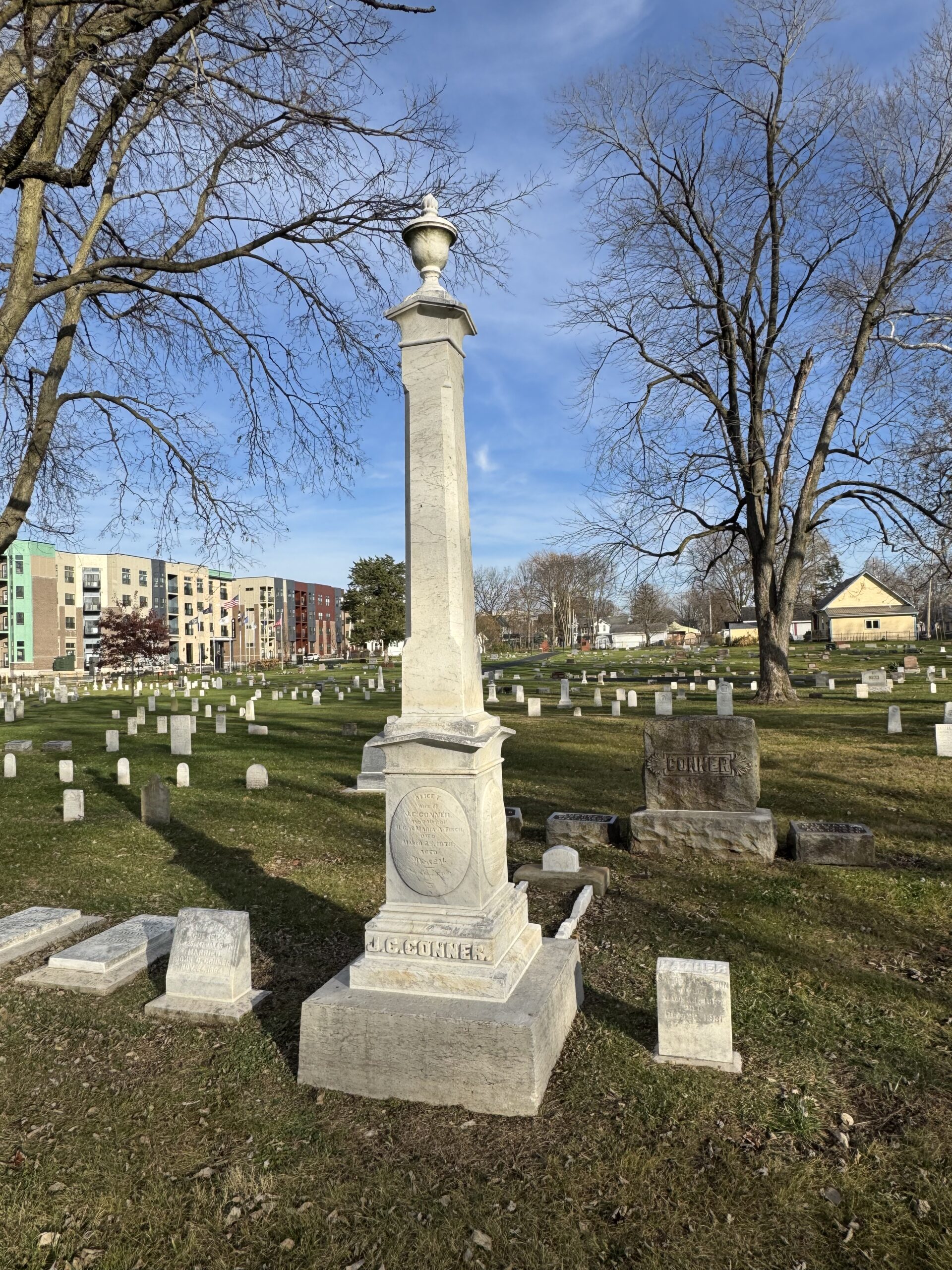
The intertwined stories of local families come to life in this section. John Cogswell Conner, a Civil War veteran, is buried near his wife Alice Finch, daughter of Hiram Finch, an early prominent citizen of the area. The graves of the Conner family members are carefully grouped together, creating a familial narrative in stone.
13. Memorial in Tree
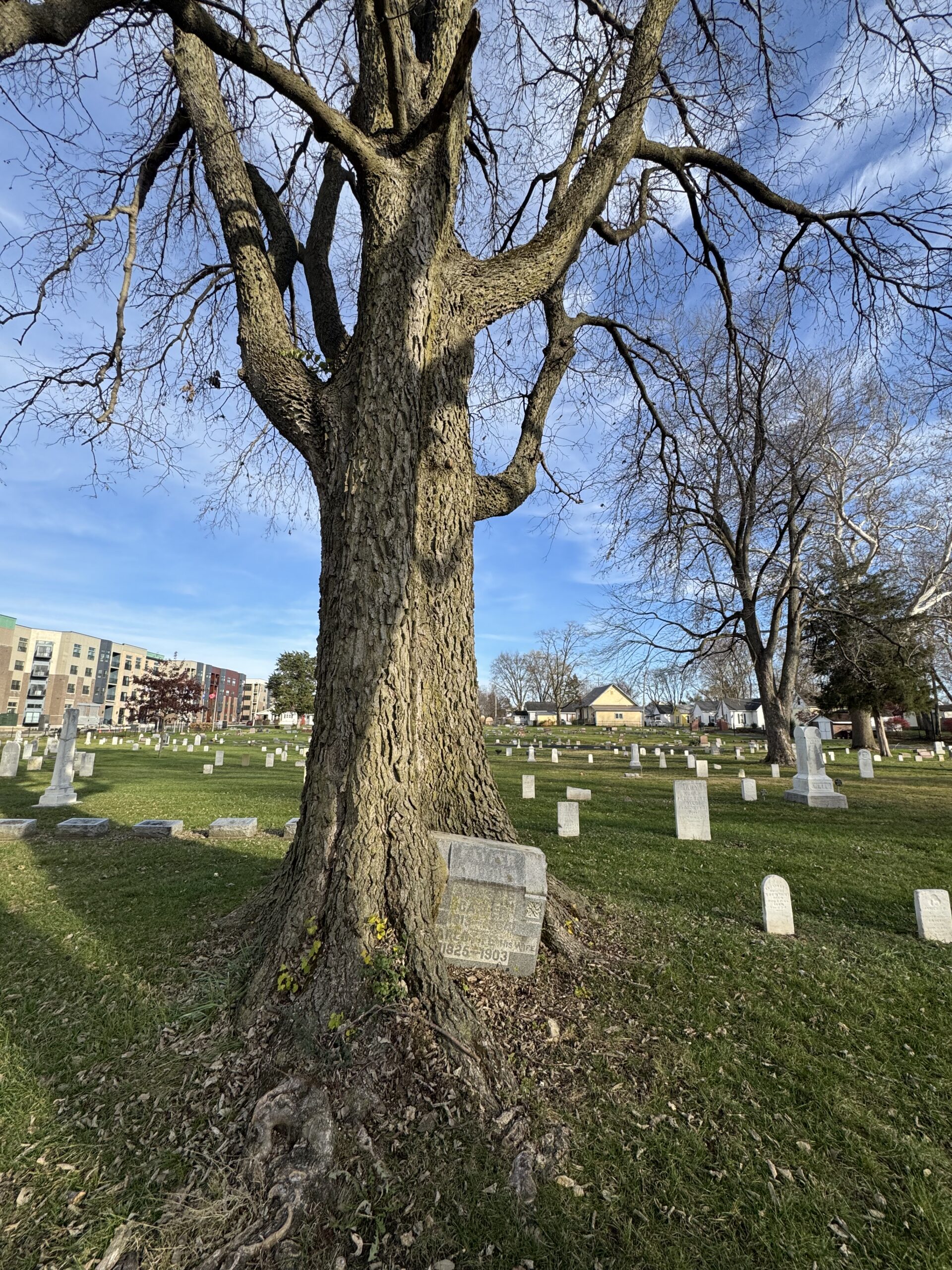
Nature’s slow embrace is captured in a headstone gradually surrounded by a growing tree. This remarkable sight demonstrates the gentle intersection of human memory and natural growth.
14. Barney Stone (Union Soldier)
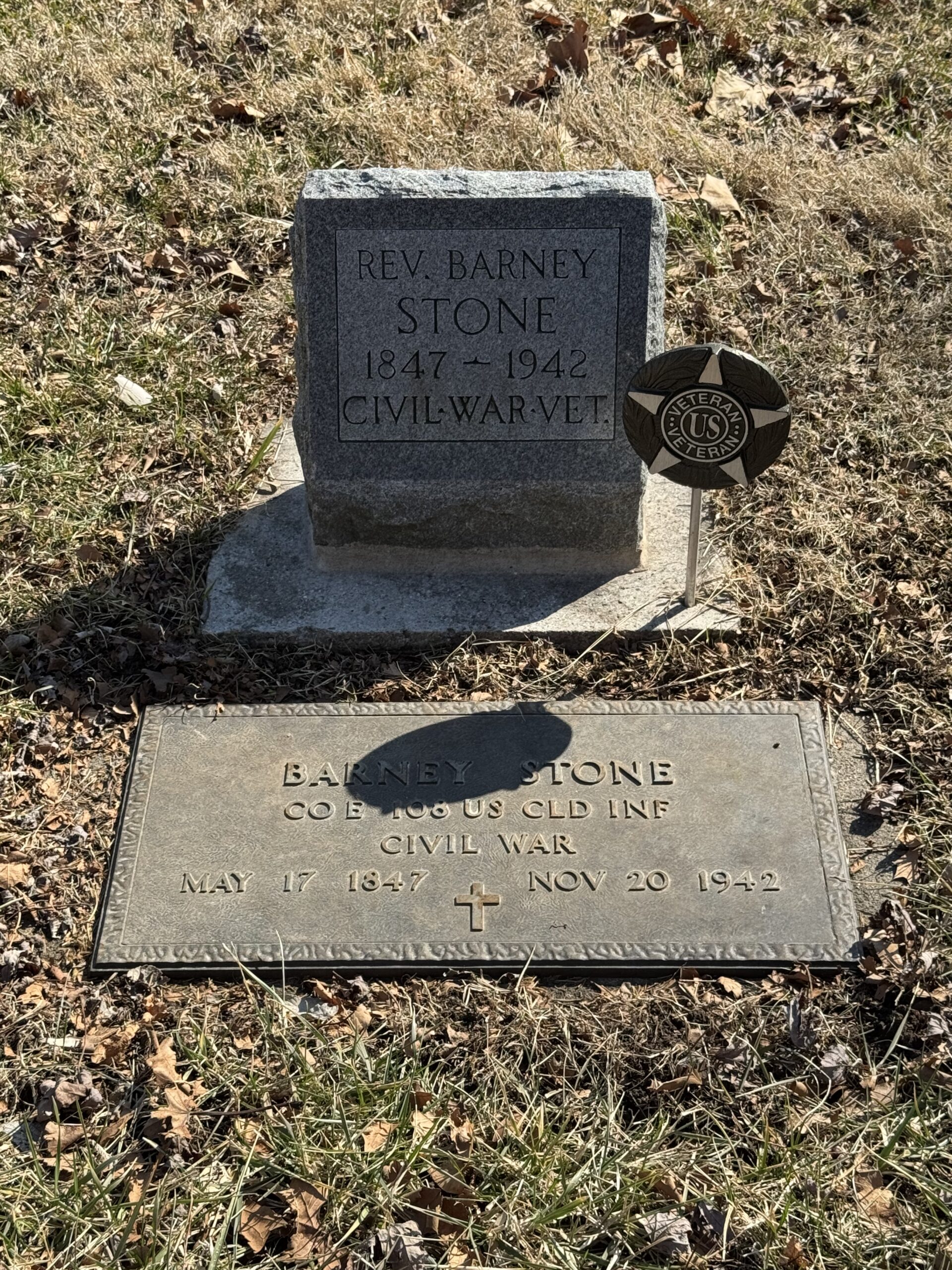
Born a slave in 1847 in Spencer County, Kentucky, Stone’s life was extraordinary. His parents were unable to live together, as his father was a slave on a nearby farm. Together, they had ten children, all of whom were also enslaved.
After witnessing the brutal treatment of his mother and siblings, who were beaten and sold to other plantations, Barney ran away at the age of sixteen and joined the Union Army. It was during his military service that he learned to read and write, thanks to fellow soldiers. By age twenty-one, he was preaching sermons. He married at twenty-four and had five children.
When his daughter Beulah graduated from Noblesville High School and later attended college in Kentucky, Barney was deeply involved in the community. He served as a Circuit Court Bailiff and was a member of both the Knights of Pythias and the Masonic Lodge. He took great pride in his military service and led many Memorial Day services at two local cemeteries.
A staunch Republican, he held the right to vote in the highest regard. At eighty-five, he campaigned across the state for Herbert Hoover’s presidential campaign. At ninety-one, he traveled to Gettysburg to hear President Franklin Roosevelt speak. He was the only Civil War veteran from Hamilton County who made the trip, and he later said, “When I stood on the same ground where Lincoln stood, where he delivered his great speech, I think it was the happiest moment of my life.”
Barney lived to be ninety-five, becoming the last surviving Civil War veteran in Hamilton County and possibly the last African-American Civil War veteran in the United States. His funeral, held at the church, lasted three hours to allow everyone to honor his extraordinary life.
15. Christy Crawford (US Mexican War Soldier)

A veteran of the Mexican-American War, one of the earlier conflicts represented among Riverside’s veteran burials. Full history pending research.
__________
This information was provided by Kevin Yaney. For more details, visit: http://www.civilwarveteranswalkingtour.com/
16. George Dale (Revolutionary War Patriot)
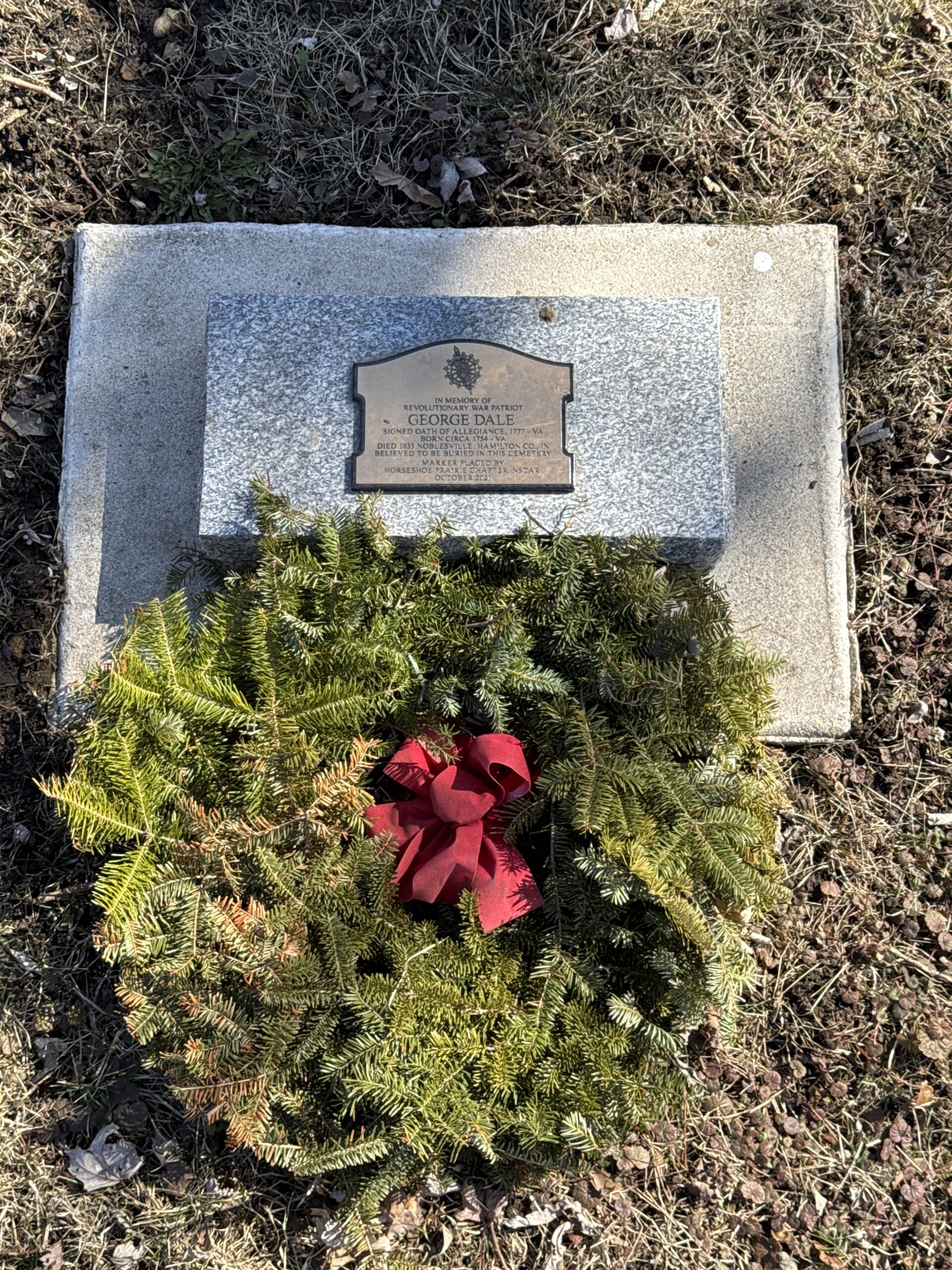
George Dale was born about 1754 in Virginia, British Colonial America and died in 1833 in Noblesville and is believed to be buried somewhere in Riverside Cemetery.
17. Archibald Ferguson
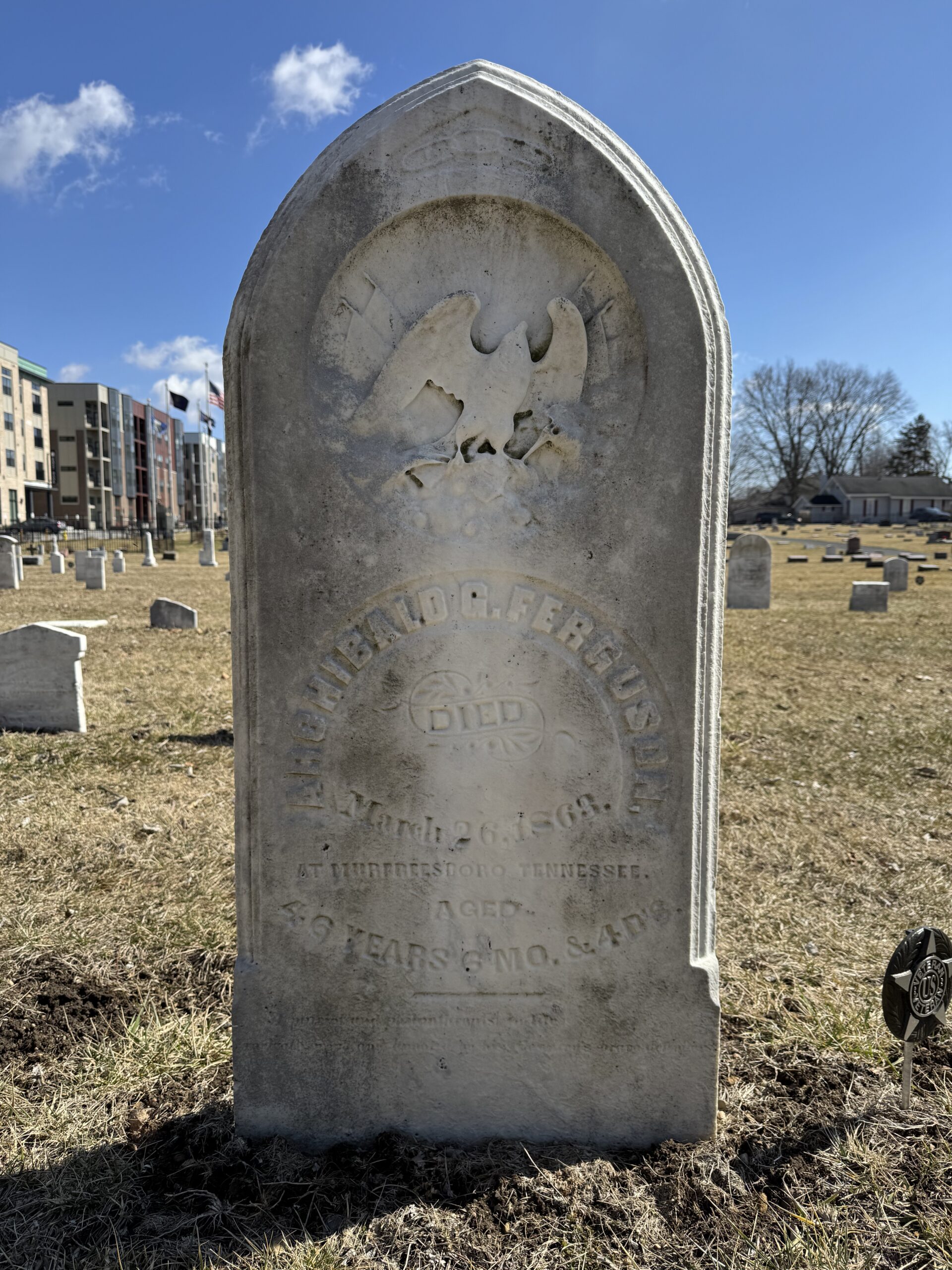
Archibald Ferguson wasn’t a soldier. He was a civilian, likely one of the merchants who followed the Union Army to keep it supplied. He was shot and killed in Murfreesboro, Tennessee, on March 26, 1863, near the site of the Battle of Stones River, at the age of 46 years, 6 months, and 4 days.
What happened next is the real story. Soldiers killed in the field were buried where they fell, dug up after the war, and reinterred in a military cemetery nearby. They didn’t go home. Ferguson did. Moving a body across a war zone took money, or connections, or both. His stone is more elaborate than most around it. That’s not a coincidence.
18. Sarah Victoria Evans
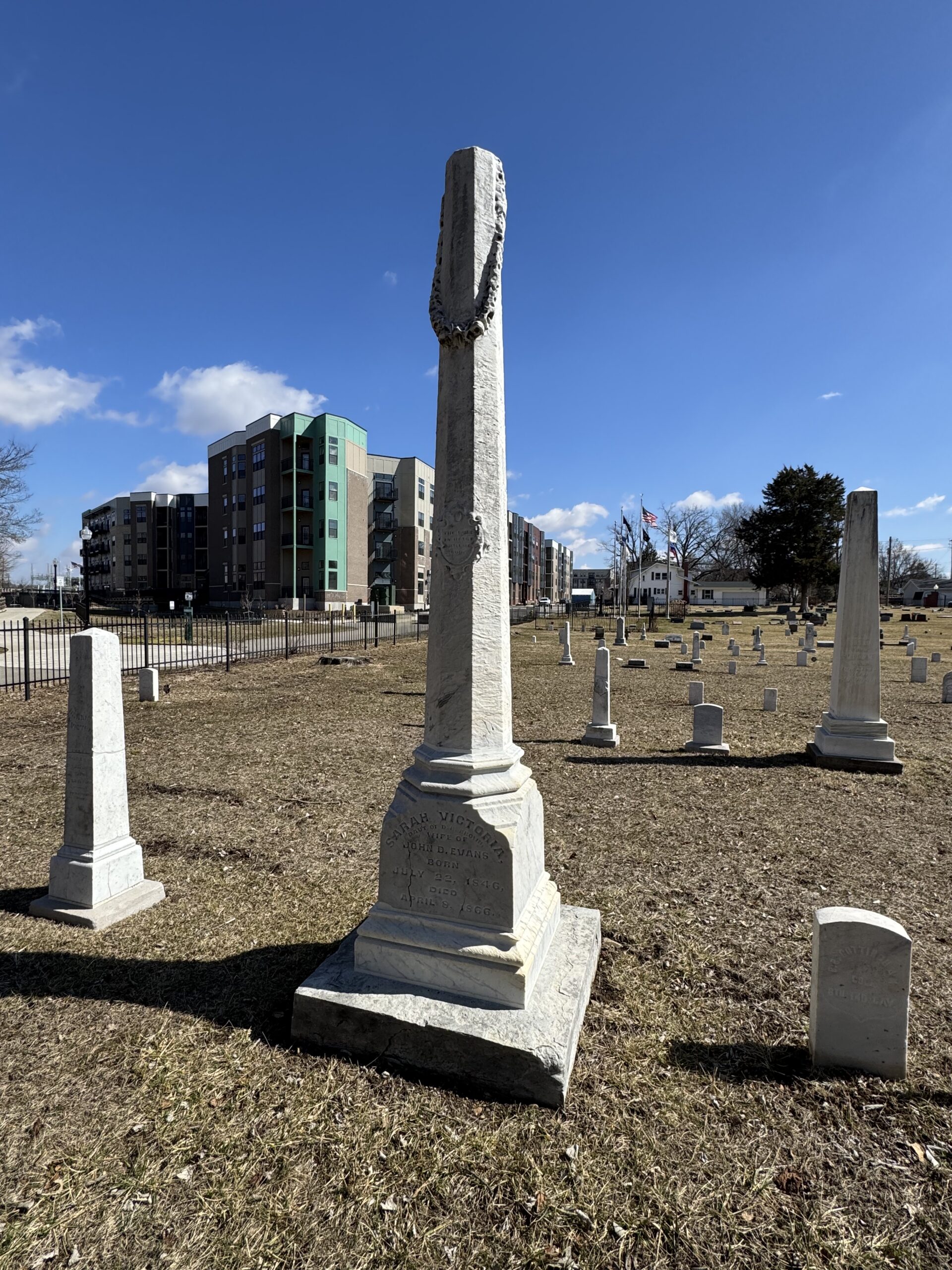
Full history pending research.
__________
This information was provided by Kevin Yaney. For more details, visit: http://www.civilwarveteranswalkingtour.com/
19. Babyland
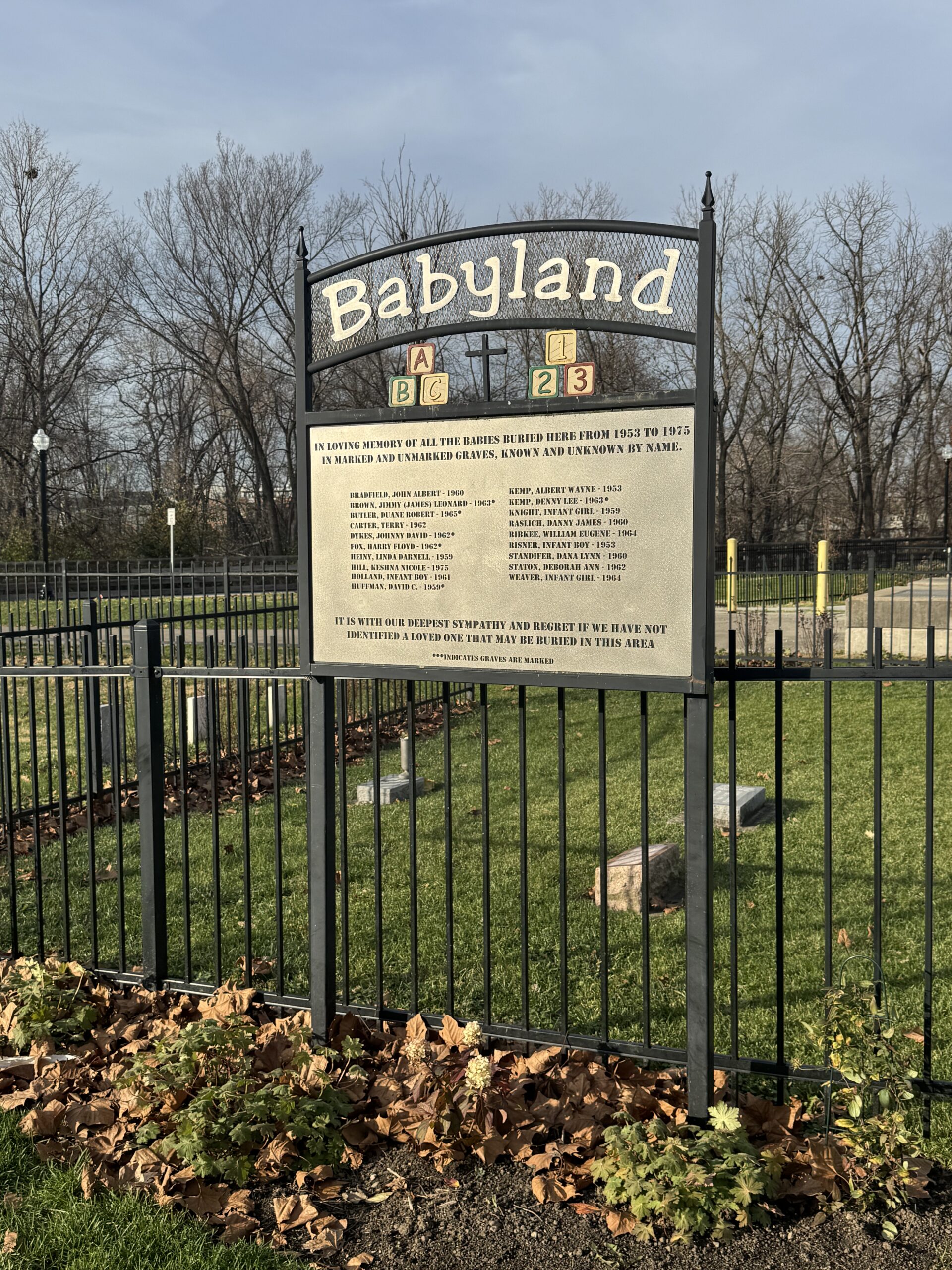
West of the veterans memorial lies a section set aside for infant burials. Though records indicate approximately 18 burials, only six graves are currently marked. The city has plans to honor these young lives by marking the section’s boundaries and creating a plaque commemorating the infants buried here.
20. Veterans Memorial
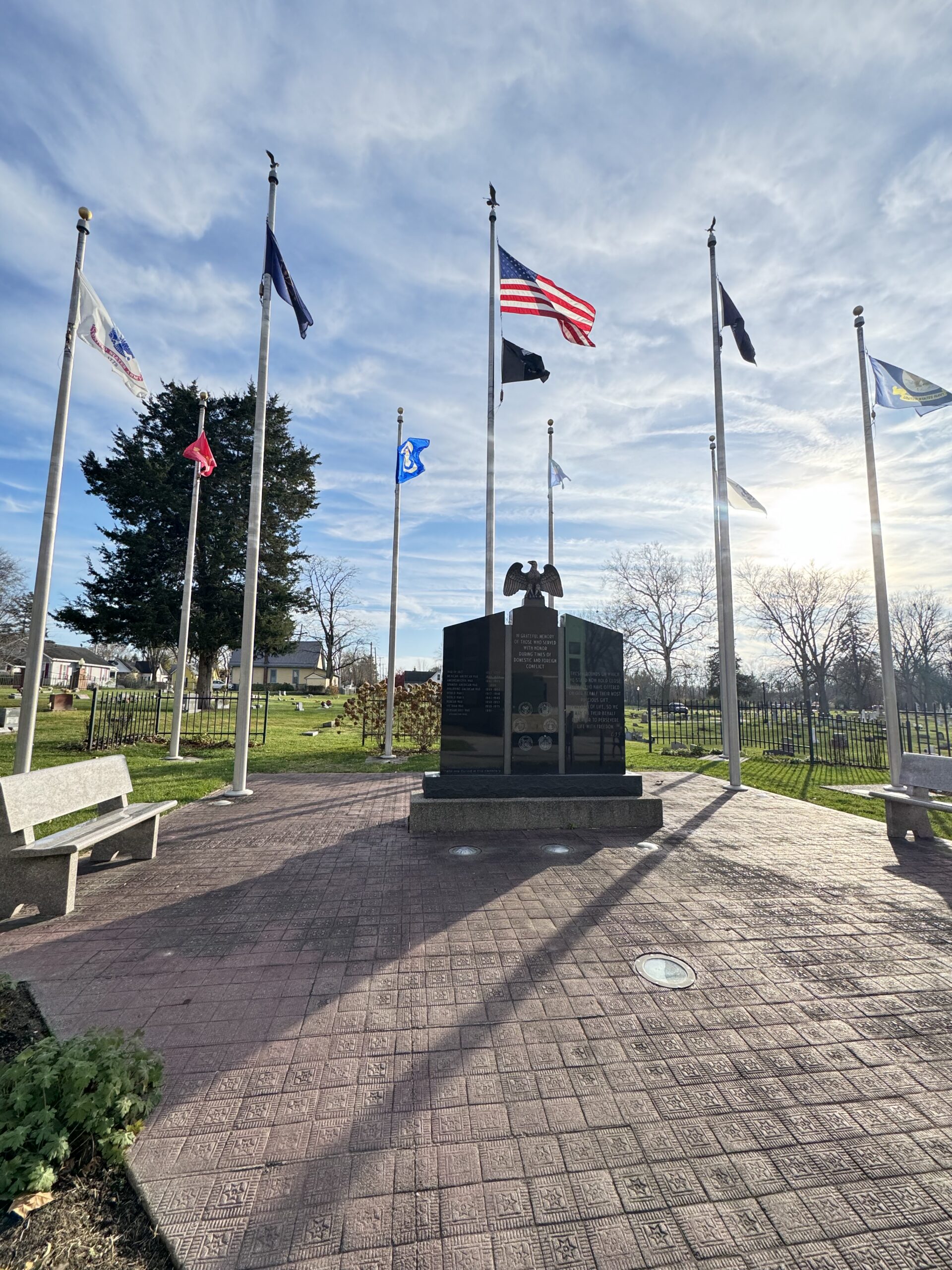
A powerful tribute stands to honor veterans from eleven different wars buried within the cemetery. During Memorial Day and Veterans Day, American flags are placed on all veterans’ graves, ensuring their service is never forgotten.
21. Dr. William Ray Garver (Spanish-American War)
Coordinates pending
Dr. William Ray Garver (1854–1944) was the son of Judge William Garver (stop 8). Born in Noblesville, he studied at Butler University before earning his M.D. at Ohio Medical College in Cincinnati. He served as a physician in the Army Medical Corps during the Spanish-American War. His headstone reads simply: “Hosp. Corps. Sp. Am. War.” He is buried at Riverside on the Garver family plot. Exact grave location to be confirmed.